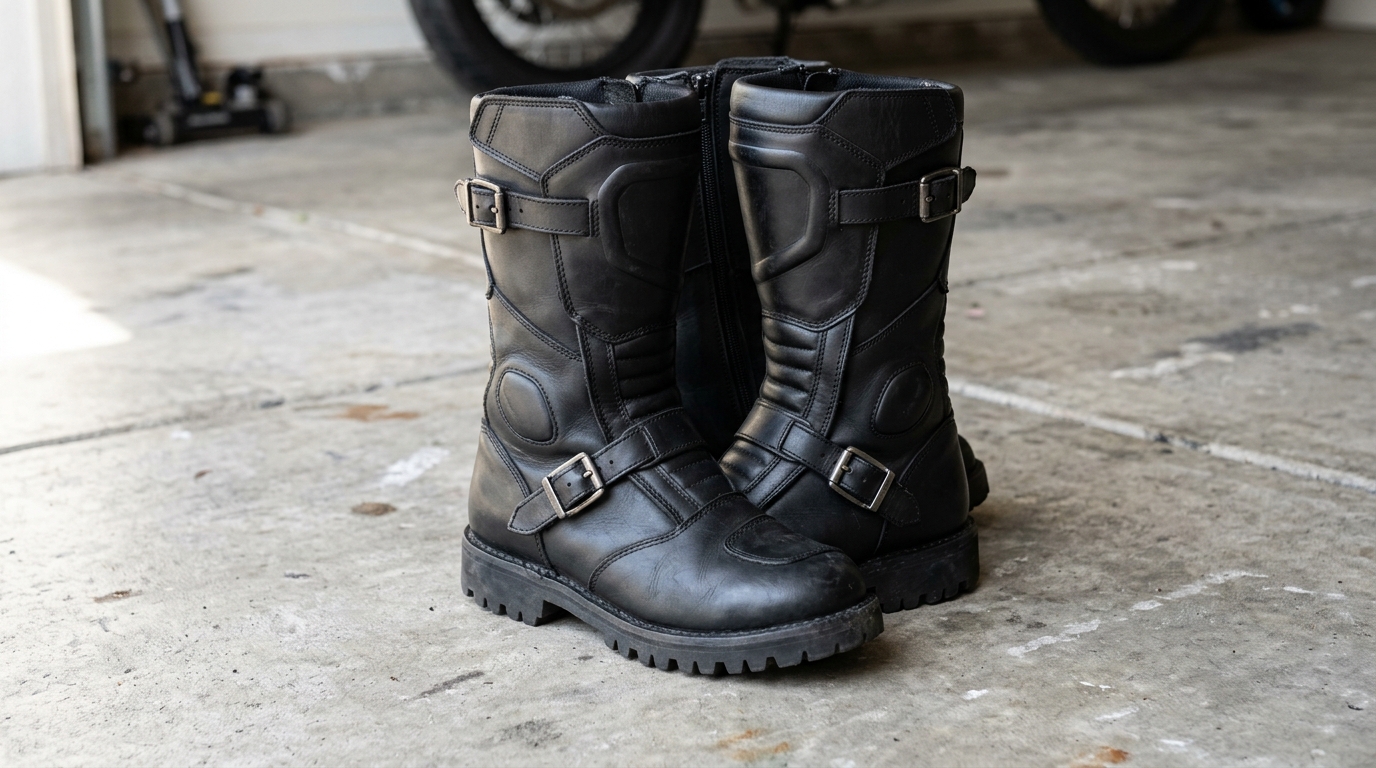
Quick Answer: In short, foot pain from motorcycling usually comes from three things working together: engine vibration buzzing through stiff boots, the repeated shifting and braking your feet do all ride long, and boots that squeeze your feet in the same spots for hours. It usually eases with rest, better-fitting boots, and stretching. If the pain is sharp, comes with numbness, or lasts more than a couple of weeks, get it checked by a doctor.
See a doctor promptly if you notice:
- Sharp or severe pain in the heel, arch, or a single spot on a bone
- Numbness, tingling, or a burning feeling in your foot or toes that doesn’t fade after a ride
- Swelling, redness, or warmth that doesn’t settle within a day or two
- Pain that makes walking or putting weight on your foot difficult
- Pain that keeps coming back after every ride despite rest and better boots
Why Motorcycling Can Hurt Your Feet
Your feet look like they’re doing nothing on a motorcycle — just resting on the pegs. Not quite. Your left foot shifts gears hundreds of times on a long ride, and your right foot hovers over the rear brake. Both feet grip the pegs through every turn and bump, and the engine’s vibration buzzes through the soles of your boots for hours.
That’s a lot of small, repetitive work for muscles that never get to stretch. Unlike walking, where your feet flex and roll with every step, riding locks them into one position — ankles bent, toes curled inside stiff boots, arches taking the same load for mile after mile. Our guide to foot pain after a long drive covers the same problem in a car, but on a bike your feet also handle vibration and shifting.
What It Is: The Most Common Causes
Engine vibration is the biggest culprit. The engine and the road send a constant low-level buzz up through the foot pegs and into your boots. On a short trip you barely notice it, but on a three-hour ride it tires the small muscles in your feet and can leave your toes numb or tingling after you stop. The Cleveland Clinic notes that prolonged vibration can contribute to numbness and discomfort in the hands and feet.
The gear-shift foot does more work than you think. Your left foot lifts and presses the shift lever every time you change gear — in town traffic, hundreds of times in a single hour. That repeated motion strains the top of your foot and your ankle, and a stiff boot makes your big toe take the brunt of every shift. Our guide to foot pain from work boots explains how stiff, heavy boots strain your feet all day — motorcycle boots do the same, with shifting added on top.
Boot pressure is another frequent complaint. Riding boots are built for protection, not comfort: thick leather, stiff soles, ankle armour, and a tight fit. If your boots pinch across the top of your foot or squeeze your toes, every mile adds to the pressure — hot spots turn into blisters, and a tight toe box can bruise your toenails.
Cramping rounds out the list. Holding your feet in a fixed position on the pegs keeps your calf and foot muscles contracted for hours. When you finally step off the bike, those tired muscles can cramp — sometimes right in the arch, where it really hurts. Cold weather makes it worse.
What Helps: Boots That Fit and Work With Your Feet
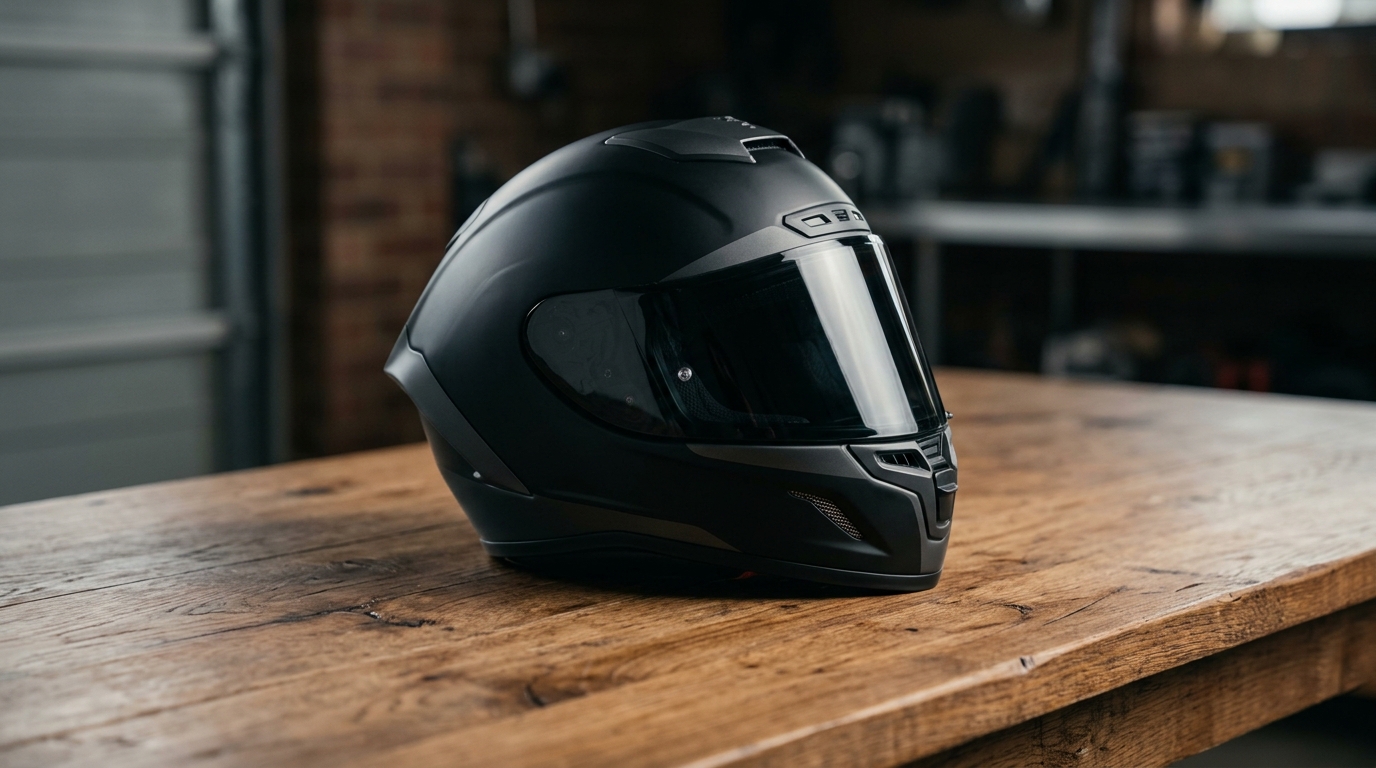
The first fix is your boots. They should feel snug around the heel and ankle but leave a thumb’s width of space in front of your longest toe, and the top should not press on the bones of your foot. Look for a flexible sole at the toes so you can shift without forcing your ankle, and a cushioned footbed with real arch support — many riders add a supportive insole to a boot that fits well but feels flat inside. Break new boots in off the bike, and wear moisture-wicking socks: dry feet blister far less than damp ones.
What Helps: Recovery After a Ride
After a long ride, get out of your boots and into soft, supportive shoes. Stretch your calves against a wall, roll the bottom of each foot over a tennis ball for a few minutes, and spread your toes wide to loosen them up. If your toes are tingling or numb, rest and let the feeling come back on its own. If the numbness happens after every ride, talk to a doctor: it can mean your boots are cutting off circulation or vibration is irritating a nerve. The Mayo Clinic notes that persistent numbness or tingling in the feet should always be checked, since it can signal nerve compression.
Your Daily Routine for Happier Feet on Riding Days
Here’s a routine to keep your feet comfortable through riding season:
- Stretch your calves and arches daily: A wall calf stretch and a few ankle circles each morning take two minutes.
- Strengthen your feet: Toe spreads, towel scrunches, and single-leg balance build the small arch muscles.
- Check your boots before you ride: Good fit, flexible toe, dry moisture-wicking socks, and supportive insoles.
- Take breaks on long rides: Stop every hour or so, walk around, and stretch your calves.
- Recover after every ride: Roll sore feet over a tennis ball, stretch your toes, and swap into supportive shoes.
FAQs
Is foot pain from motorcycling normal?
Mild soreness after a long ride is common and usually fades with rest and better-fitting boots. Sharp pain, numbness that doesn’t fade, or pain that returns after every ride should be checked.
Why do my toes go numb when I ride?
Numb toes usually come from engine vibration plus boots that press on your foot or squeeze your toes. Looser boots, cushioned insoles, and regular breaks usually help.
Can motorcycling cause plantar fasciitis?
Riding can irritate the plantar fascia, especially with stiff boots and tight calves. Rest, calf stretching, and supportive insoles usually help — persistent heel pain should be checked.
What boots are best to prevent foot pain from motorcycling?
Look for a flexible sole at the toes for easy shifting, a cushioned footbed with arch support, and a fit snug at the heel but roomy at the toes. Break new boots in off the bike first.
When should I see a doctor about foot pain from motorcycling?
See a doctor promptly if the pain is sharp or severe, if numbness doesn’t fade after a ride, if swelling doesn’t settle, or if it keeps coming back despite rest and better boots.
Sources
- Mayo Clinic — numbness and tingling in the feet, causes and when to seek care
- Cleveland Clinic — vibration exposure and foot pain information
- American Podiatric Medical Association — foot strengthening exercises
This article is for general information only and is not medical advice. Talk to your doctor or a podiatrist about your own feet.