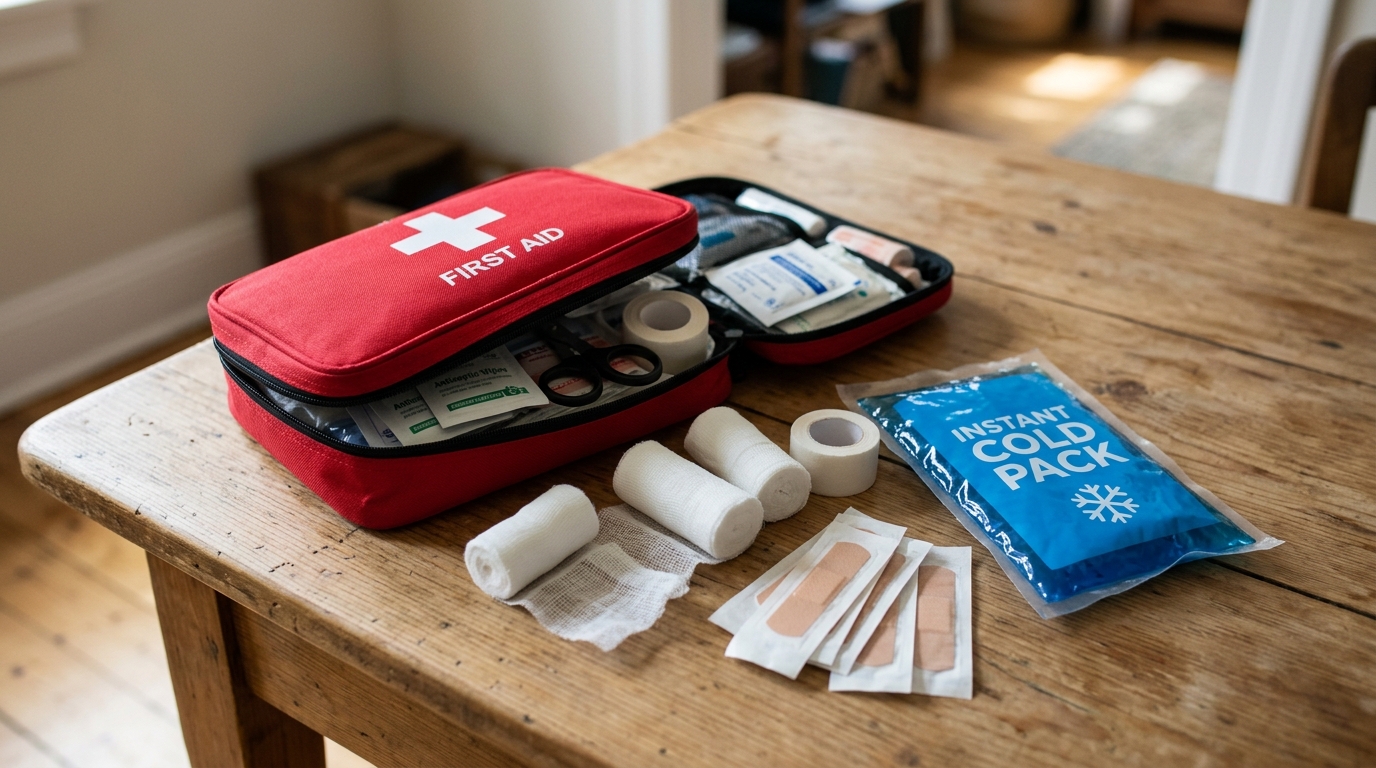
Broken toe symptoms usually start with immediate, sharp pain after stubbing or dropping something on your toe, followed by swelling, bruising, and soreness that makes walking uncomfortable. The toe may look bent or out of place, and putting weight on it can hurt for days. Most minor toe fractures heal with rest, ice, and buddy taping, but a deformed toe, a cut near the break, or worsening pain needs an X-ray and a doctor’s check.
See a doctor promptly if you notice any of these:
- A toe that looks bent, twisted, or out of place, or a bone visible through the skin
- A cut or open wound near the injured toe, which raises infection risk
- Numbness, coldness, or a blue or pale colour in the toe that doesn’t improve
- Pain that keeps worsening after several days, or swelling that doesn’t ease
- An injured toe in a child, or an injury in someone with diabetes or poor circulation
What a broken toe is and why it happens
A broken toe is a fracture in one of the small bones of a toe. Toes are surprisingly easy to break because they’re at the front of your body, unprotected, and often barefoot. The classic causes are stubbing your toe hard on furniture, dropping something heavy on your foot, or jamming your foot in a sport.
The symptoms usually arrive fast. There’s immediate, sharp pain at the moment of injury, often bad enough to make you sit down. Within hours, the toe swells, and bruising often spreads across the toe and into the foot. Walking or putting weight on the foot hurts, and bending the toe is sore or stiff. In a more severe break, the toe may look visibly crooked or bent at an odd angle, and it may feel unstable.
Not every painful toe is broken, though. A bad stub can cause a sprain, a bruise, or a torn ligament, all of which hurt a lot and look a lot like a fracture. The symptoms overlap heavily, which is why the advice from clinicians is consistent: if the pain is severe, the toe looks wrong, or it isn’t clearly improving after a few days, get it checked rather than guessing. Only an X-ray can reliably tell a fracture from a sprain.
What helps a broken toe
For a minor, uncomplicated toe fracture, the commonly recommended self-care follows a simple pattern: rest, ice, and protection. The Mayo Clinic advises resting the foot and avoiding activities that put pressure on the toe, applying ice wrapped in a towel for 15 to 20 minutes at a time, and elevating the foot to reduce swelling. Stiff-soled shoes or a post-surgical shoe can make walking much more bearable by stopping the toe from bending with every step.
Buddy taping is the other mainstay of home care for a minor break: the injured toe is gently taped to the healthy toe next to it, with a small piece of gauze or cotton between them to prevent skin irritation. The neighbouring toe acts as a splint, keeping the broken toe stable while it heals. The Cleveland Clinic notes that buddy taping is commonly recommended for minor toe fractures, but it also stresses that taping is not a substitute for an exam — a toe that is deformed, has an open wound, or involves the big toe joint may need realignment or other treatment that taping can’t provide.
Healing takes patience. Most minor toe fractures improve noticeably within a couple of weeks and heal fully in four to six weeks, though the toe may stay tender for longer. If pain worsens instead of improving, swelling doesn’t ease, the toe changes colour or goes numb, or you develop a fever with redness around the toe, get medical attention promptly — those can signal a complication. And if the injury involved the big toe, a visible deformity, or a cut near the break, don’t wait out the healing period to seek care: those cases are the ones most likely to need an X-ray, realignment, or antibiotics.
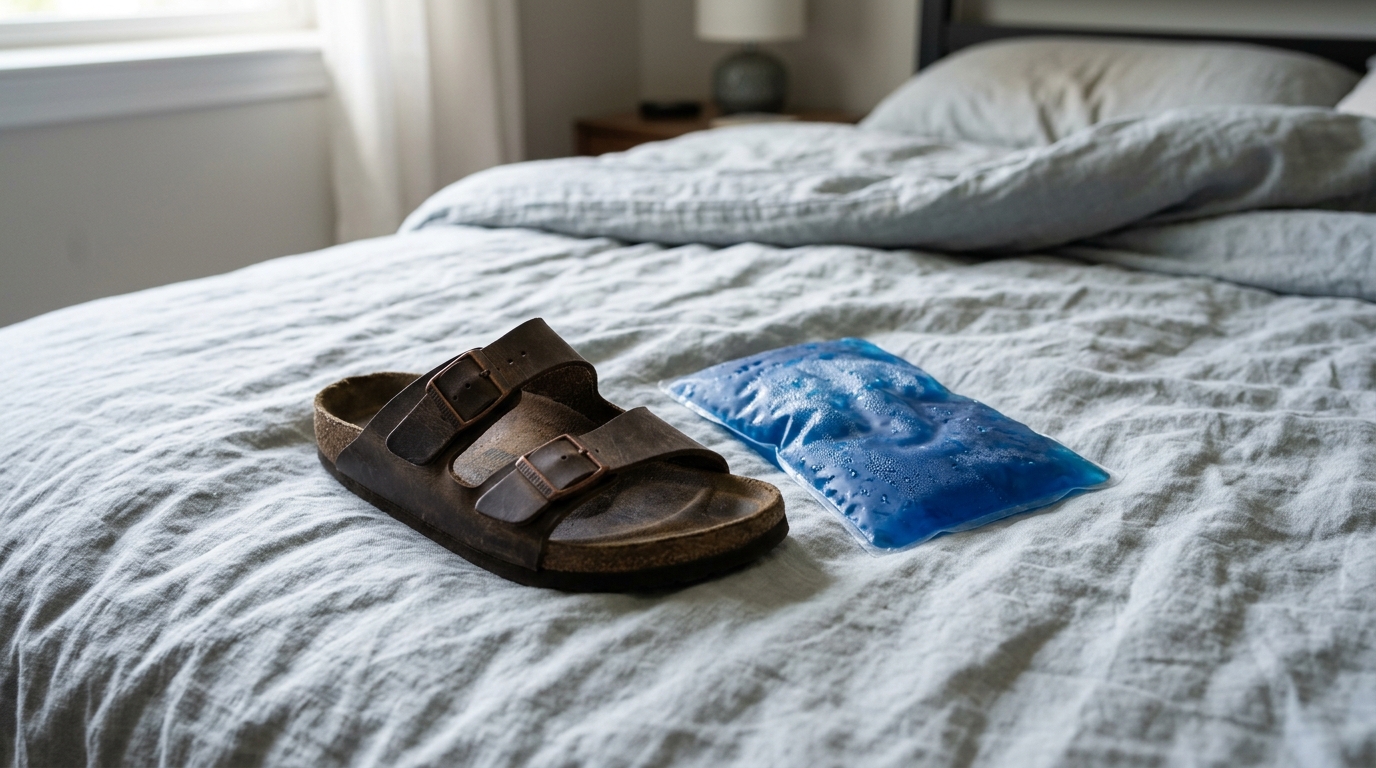
A daily routine for a healing toe
In the first few days, rest is the priority. Keep weight off the foot as much as you can, elevate it on pillows when you’re sitting, and ice it for 15 to 20 minutes several times a day.
As the sharp pain fades, you can start walking short distances in a stiff-soled shoe, but avoid running, jumping, or tight footwear.
Over the following weeks, increase activity gradually and only as pain allows. If you notice the toe looking more crooked, pain suddenly worsening, or new numbness, stop and get it checked rather than pushing through.
Frequently asked questions
How can I tell if my toe is broken or just stubbed?
Honestly, you often can’t tell from symptoms alone. Both cause immediate pain, swelling, and bruising. Clues that point toward a fracture include pain that stays severe for days, a toe that looks bent or out of place, and pain that gets worse instead of better. An X-ray is the only reliable way to confirm it.
Does buddy taping really help a broken toe?
For minor fractures, yes — it’s commonly recommended because the neighbouring toe acts as a natural splint, keeping the broken toe stable. Tape the toes together snugly but not tightly, with gauze between them, and re-tape daily. But taping can’t fix a deformed toe or a break with an open wound — those need a doctor.
How long does a broken toe take to heal?
Most minor toe fractures heal in four to six weeks, with the worst pain easing within the first week or two. The big toe can take a bit longer, and the toe may stay tender for a while after the bone has healed.
Can I walk on a broken toe?
Short, careful walks in a stiff-soled shoe are usually possible once the sharpest pain fades. But avoid putting full weight on a severely painful or deformed toe, and skip running, sports, and tight shoes until it’s clearly healing.
When should I go to urgent care for a toe injury?
Go promptly if the toe looks bent or out of place, there’s a cut or open wound near it, the toe is numb, cold, or blue, or pain keeps worsening after several days. Children with toe injuries and people with diabetes should also be checked sooner rather than later.
Sources
- Mayo Clinic — Broken Toe: Symptoms and Causes
- Cleveland Clinic — Broken Toe: Treatment and Recovery
- American Academy of Orthopaedic Surgeons — Toe Fractures
This article is for information only and is not medical advice. If you think you may have broken a toe — especially if it looks deformed, has a cut nearby, or the pain keeps worsening — talk to a healthcare professional and get an X-ray rather than relying on self-care alone.