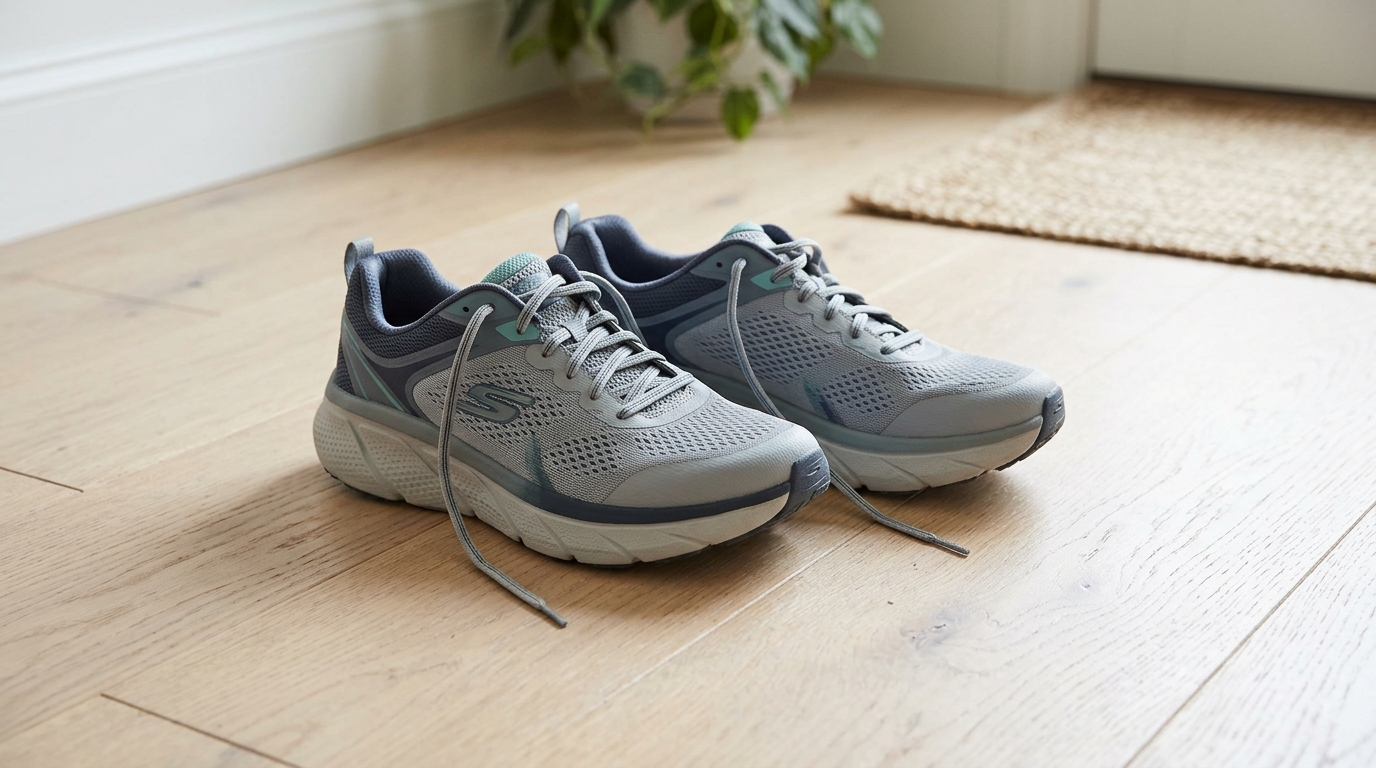
Morton’s neuroma symptoms usually start as a burning, tingling, or sharp pain in the ball of your foot, most often between your third and fourth toes. Many people describe it as feeling like there’s a pebble stuck in their shoe, or a fold in their sock that won’t smooth out. The discomfort tends to flare up when you walk, stand, or wear tight, narrow shoes, and it often eases when you take your shoes off and rub the foot. It’s not a tumour — it’s a thickening of the tissue around a nerve — and catching it early makes it much easier to calm down.
See a doctor promptly if you notice any of these:
- Pain in the ball of your foot that keeps coming back or gets worse over weeks
- Numbness in your toes that doesn’t go away after you remove your shoes
- A lump or swelling in the forefoot, or pain that changes how you walk
- Skin changes, redness, or an open sore on the foot, especially if you have diabetes
- Foot pain after an injury, or pain so severe you can’t bear weight on the foot
What Morton’s neuroma is and why it happens
A Morton’s neuroma is a thickening of the tissue around one of the nerves that runs between the bones of your forefoot, usually the nerve between the third and fourth toes. It’s sometimes called an intermetatarsal neuroma. Despite the name, it isn’t a cancerous growth. It’s more like a callus on a nerve: repeated squeezing and irritation cause the tissue around the nerve to thicken, and that thickened tissue then presses on the nerve even more. It’s a cycle, and it tends to get worse if nothing changes.
So what squeezes the nerve in the first place? The classic culprit is footwear. Tight, narrow shoes and high heels push the metatarsal bones together and force the nerve into a smaller space, especially at the front of the foot. Sports that put repeated pressure on the ball of the foot — running, court sports, rock climbing, ballet — can contribute too, as can foot shapes like flat feet, high arches, or bunions, which change how pressure spreads across the forefoot.
Early on, the symptoms come and go. You might feel a vague ache or a strange tingling after a long walk, and it fades when you sit down and slip your shoes off. Over time, if the irritation continues, the episodes get longer and more frequent. The pain can sharpen into a burning or stabbing feeling that shoots into the toes, and some people feel numbness or a clicking sensation when they walk.
What helps Morton’s neuroma symptoms
The good news is that most cases improve a lot with simple, non-surgical steps — especially when you catch it early. The single most effective change is footwear. The Mayo Clinic recommends switching to shoes with a wide toe box, low heels, and good cushioning under the ball of the foot, because giving the metatarsals room to spread takes pressure straight off the nerve.
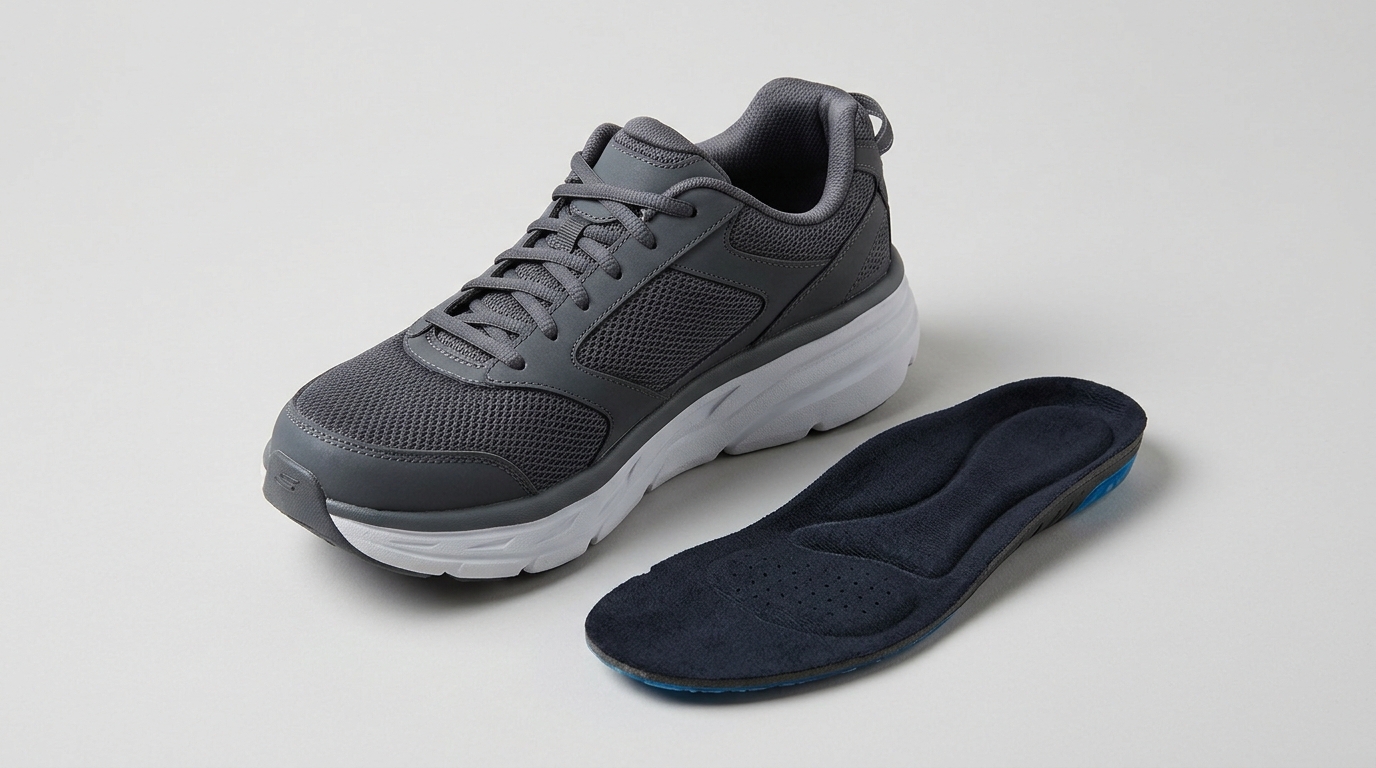
Metatarsal pads are another low-cost tool worth trying. These small pads sit just behind the ball of the foot and gently spread the metatarsal bones apart, creating a bit more space for the nerve. The Cleveland Clinic notes that metatarsal pads, along with shoe changes and activity modification, are among the first-line conservative treatments for Morton’s neuroma.
Rest and ice can help calm a flare-up. If a long walk or a run has left the ball of your foot burning, resting with your feet up and applying an ice pack wrapped in a cloth for ten to fifteen minutes can ease the irritation. Over-the-counter pain relief can take the edge off on bad days, though it doesn’t fix the underlying squeezing.
If conservative steps aren’t enough after several weeks or months, a clinician may suggest a corticosteroid injection to reduce inflammation around the nerve, or in persistent cases, surgery to release or remove the affected nerve tissue. The earlier you act on the shoe and pressure changes, the better your odds of never needing them.
A daily routine for calmer forefoot pain
Start the day by choosing shoes that give your toes room. Wide, soft, low-heeled shoes are the daily default here — save the narrow ones for the shortest outings.
During the day, if you’re on your feet a lot, take sitting breaks when you can and slip your shoes off for a minute to let the forefoot decompress. After a long day, a gentle foot massage — rolling a tennis ball under the forefoot, not pressing hard into the sore spot — can help the area relax.
In the evening, stretch your toes: spread them wide, hold for a few seconds, and release, repeating a few times. Ice the ball of the foot for ten minutes if it’s been a sore day. Small daily habits beat occasional heroic efforts — consistency is what breaks the irritation cycle.
Frequently asked questions
What does Morton’s neuroma feel like?
Most people describe a burning, tingling, or sharp pain in the ball of the foot, often between the third and fourth toes. A common description is feeling like there’s a pebble in your shoe or a wrinkle in your sock that you can’t smooth out. Some people also feel numbness in the nearby toes, or a clicking sensation when walking.
Is Morton’s neuroma a tumour?
No. Despite the name, a Morton’s neuroma is not a cancerous tumour. It’s a thickening of the tissue surrounding a nerve in the forefoot, caused by repeated compression and irritation. It doesn’t spread to other parts of the body, but it can become more painful over time if the pressure causing it isn’t relieved.
Can Morton’s neuroma go away on its own?
It rarely disappears completely without any change, but symptoms can improve a lot — and sometimes resolve — when you remove the cause of the irritation. Switching to wider, lower-heeled shoes, using metatarsal pads, and reducing high-impact activity are often enough to calm the nerve down, especially if you act early.
Do I need surgery for Morton’s neuroma?
Usually not. Most people improve with conservative treatment: footwear changes, pads, orthotics, and rest. Injections or surgery are typically considered only when symptoms persist despite several months of conservative care. A foot specialist can help you decide based on how severe your symptoms are and how long they’ve lasted.
Can I still run or play sports with Morton’s neuroma?
Often yes, with adjustments. Roomier, well-cushioned shoes, metatarsal pads, and softer surfaces can make a big difference. If running consistently flares the pain, try swapping some sessions for lower-impact exercise like cycling or swimming until the symptoms settle, and build back gradually rather than pushing through sharp pain.
Sources
- Mayo Clinic — Morton’s Neuroma: Symptoms and Causes
- Cleveland Clinic — Morton’s Neuroma: Treatment and Management
- American Academy of Orthopaedic Surgeons — Morton’s Neuroma
This article is for information only and is not medical advice. If your forefoot pain keeps returning, your toes stay numb, or walking becomes difficult, talk to a healthcare professional.