Quick Answer: Big toe pain causes range from bunions and gout to turf toe, ingrown toenails, and arthritis in the joint. Most cases improve with rest, better-fitting shoes, icing, and over-the-counter pain relief, but pain that is sudden, severe, or keeps coming back deserves a proper check, especially if the joint is red, hot, or swollen.
See a doctor promptly if you notice:
- A big toe joint that is red, hot, and swollen, especially if the pain came on suddenly overnight
- Pain so severe you can’t bear weight on the foot or put on a shoe
- An ingrown toenail with spreading redness, pus, or a fever
- A toe that looks bent, misshapen, or out of place after an injury
- Pain that keeps returning or slowly gets worse over weeks despite rest
Why Your Big Toe Hurts
Your big toe does more work than you probably give it credit for — every step pushes off through it. When something goes wrong there, you feel it with every step, even putting on a shoe.
It can build slowly over months or hit suddenly, waking you at night. A slow ache that worsens with walking points somewhere different from a sudden, fiery pain after stubbing the toe — noting when it started helps sort it out.
What It Is: The Most Common Causes
A bunion is one of the most common causes of big toe pain. It is a bony bump at the base of the big toe that forms as the joint gradually shifts out of alignment, pushing the toe toward the other toes. Bunions often run in families and are made worse by tight, narrow shoes. Our guide on how to get rid of bunions covers the options.
Gout is a very different kind of big toe pain, and it is famous for it. It happens when uric acid crystals build up in a joint, and the big toe is where it strikes most often. The pain comes on fast — often overnight — and the joint becomes red, hot, swollen, and so tender that even the weight of a bedsheet hurts.
Turf toe is an injury to the joint at the base of the big toe, caused by bending it too far upward when you push off hard or catch the toe on the ground.
Arthritis in the big toe joint, sometimes called hallux rigidus, develops when the cartilage wears down over time. The joint becomes stiff, and bending the toe — which you do with every step — hurts. You may notice a bony bump on top of the joint.
An ingrown toenail is another frequent culprit. When the edge of the nail grows into the skin beside it, the area becomes tender, red, and swollen. Tight shoes and cutting the nail too short or curved are the usual triggers.
What Helps: Easing the Pain at Home
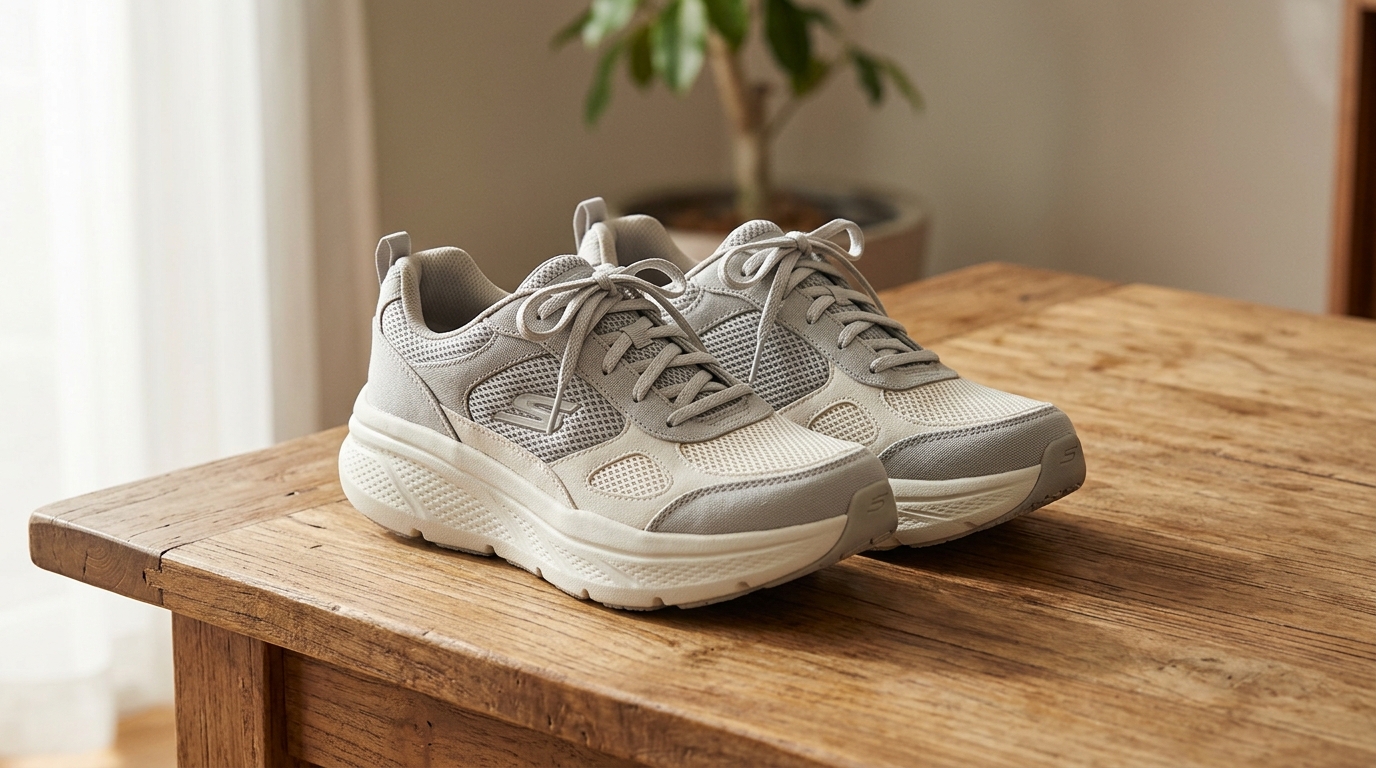
The first step is to give the toe a break from whatever is aggravating it. Rest the foot where you can, avoid long walks and high-impact activity for a few days, and switch to shoes with a wide toe box. Tight, narrow shoes are one of the most common reasons big toe pain flares up, so this change alone often brings real relief.
Ice can help when the joint is sore or swollen. Hold an ice pack wrapped in a thin towel against the sore area for 15 to 20 minutes at a time, a few times a day. Over-the-counter pain relief, used as directed on the label, can ease pain and swelling in the short term.
For a suspected ingrown toenail, soak the foot in warm, salty water a few times a day — but don’t try to dig the nail out yourself.
What Helps: Footwear and Longer-Term Care
Your shoes matter enormously for big toe pain. The Mayo Clinic notes that shoes with a roomy toe box, good arch support, and a low heel take pressure off the joint. High heels shift your weight forward onto the joint, so cutting back can help. If your feet are wide, our guide to the best shoes for wide feet can help.
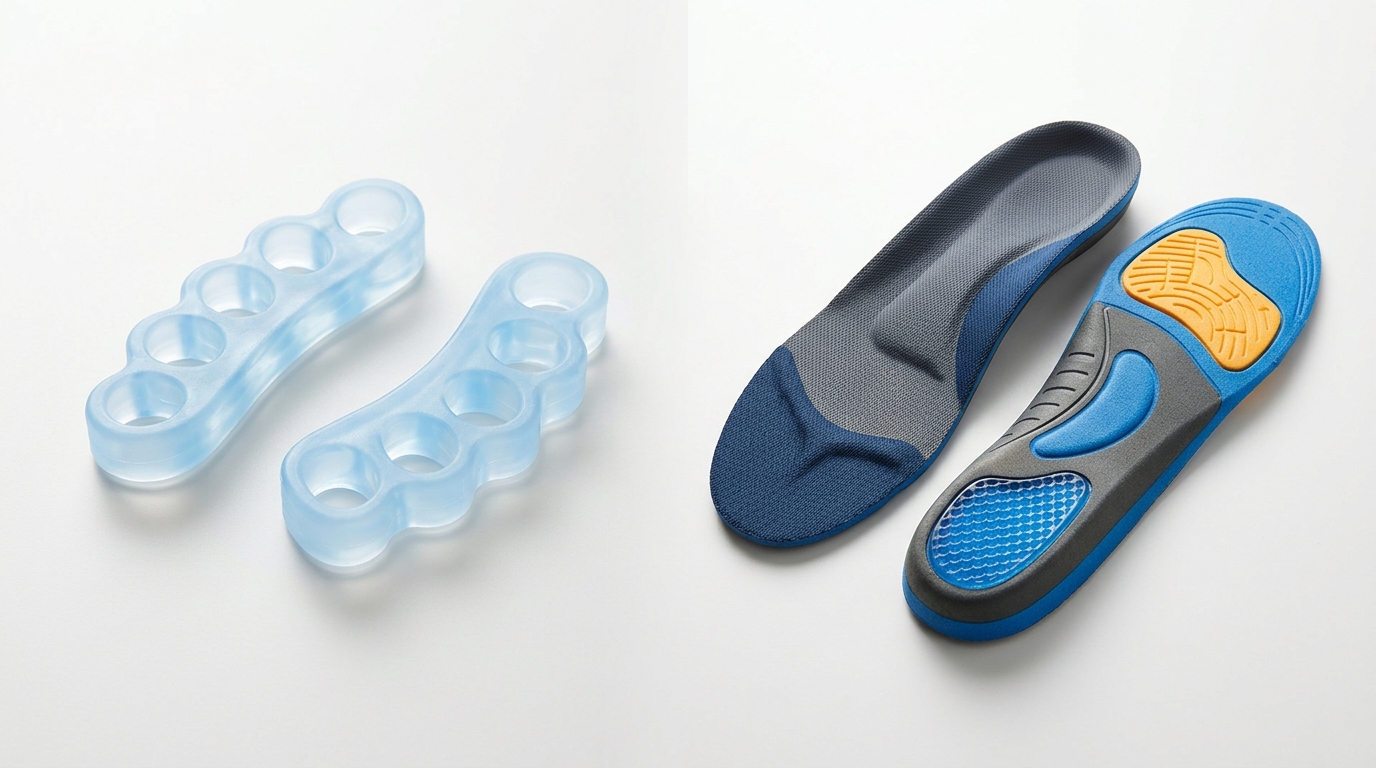
For arthritis, a shoe with a stiff sole or a rocker bottom can help, because it reduces how much the joint bends. If pain keeps coming back, a podiatrist can check the joint and talk through options such as custom orthotics, gout medication, or surgery for a severe bunion.
Your Daily Routine
Here’s a simple routine to follow while it heals:
- Morning check: Look at the toe before you put your shoes on — red, swollen, or tender means today is a rest day.
- Shoes that fit: Wear shoes with a wide toe box and a low heel. Avoid anything that presses on the joint.
- Ice when sore: If the joint aches after activity, ice it for 15 minutes in the evening with a towel between the ice and your skin.
- Gentle movement: Move the big toe up and down a few times a day to keep the joint from stiffening.
- Warm soak: If an ingrown toenail is the problem, soak the foot in warm, salty water for 10 to 15 minutes once or twice a day.
FAQs
What is the most common cause of big toe pain?
Bunions are the most common cause, especially in people who wear tight or narrow shoes, and they often run in families. Gout, turf toe, arthritis, and ingrown toenails are also common, so it depends on how the pain started and where it hurts.
Can big toe pain go away on its own?
Mild pain from overuse or a minor bump often settles within a few days of rest and better shoes. But bunions and arthritis tend to get worse slowly, and gout attacks need medical treatment to keep them from coming back.
Should I walk on a painful big toe?
Light walking is usually fine if the pain is mild, but if it hurts to bear weight or the joint is swollen and hot, rest it and see a doctor. Walking through sharp pain can make it worse.
What shoes are best for big toe pain?
Look for shoes with a wide, roomy toe box, good arch support, and a low heel. Avoid narrow, pointed shoes and high heels, which squeeze the joint. A stiff-soled shoe can help if arthritis is the cause.
When should I see a doctor about big toe pain?
See a doctor promptly if the joint is red, hot, and swollen, if you can’t bear weight on the foot, if an ingrown toenail shows signs of infection, or if the pain keeps coming back despite rest and better shoes.
Sources
- Mayo Clinic — bunions, gout, and ingrown toenails
- American Podiatric Medical Association — big toe joint and bunion guidance
- Cleveland Clinic — hallux rigidus and turf toe
This article is for general information only and is not medical advice. Talk to your doctor or a podiatrist about your own feet.