Quick Answer: In short, foot pain from water polo usually comes from the eggbeater kick — the alternating leg motion that keeps you upright — plus hard stops on the pool deck, tight fins in practice, and bare feet on rough concrete. It usually eases with rest, calf and arch stretches, and better footwear on deck. If the pain is sharp, lasts more than a couple of weeks, or comes with swelling, get it checked by a doctor or podiatrist.
See a doctor promptly if you notice:
- Sharp or severe pain in the heel, arch, or a single spot on a bone
- Pain that makes walking or putting weight on your foot difficult
- Swelling, redness, or warmth that doesn’t settle within a day or two
- Numbness, tingling, or a burning feeling in your foot or toes
- Pain that keeps coming back after every practice or game despite rest
Why Water Polo Can Hurt Your Feet
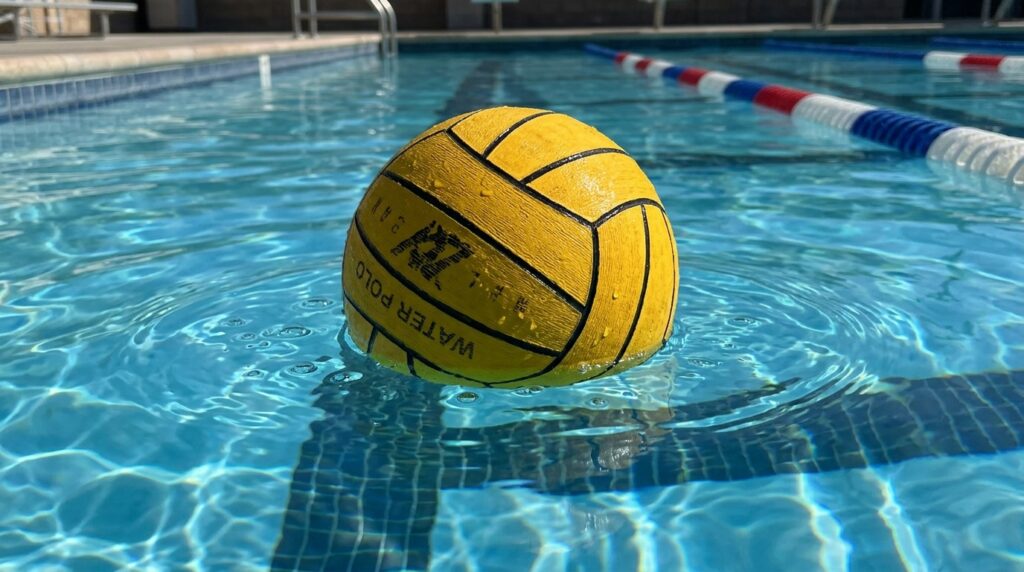
Water polo looks like a game played with your arms. But watch a player treading water and you’ll see the truth: their legs never stop moving. The eggbeater kick — that alternating circular motion — keeps your body upright and your shoulders out of the water for the whole game. Your feet do that work, and they do it for an hour or more without a break.
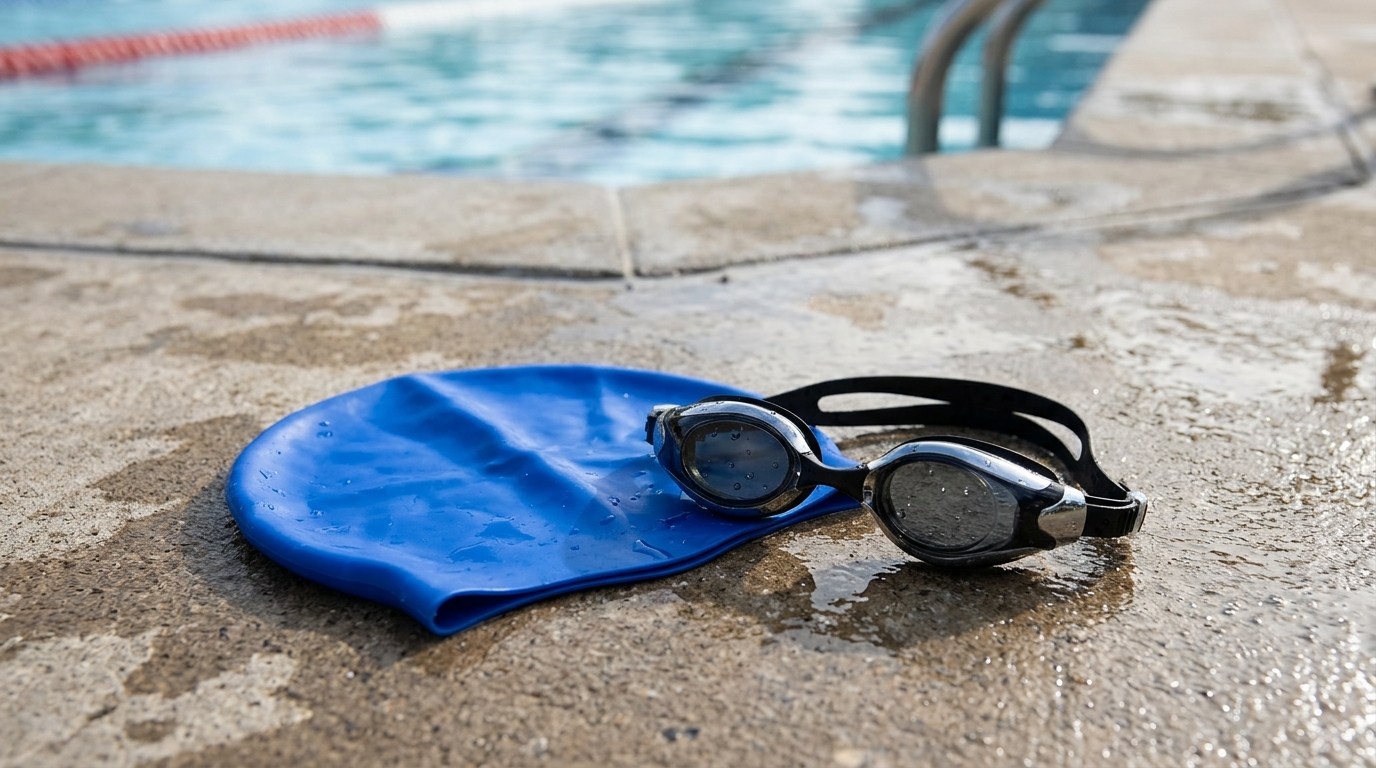
Then there’s the pool deck. Between warm-ups and drills, you spend a lot of time barefoot on hard, wet concrete. One hard stop on a rough deck can bruise a heel, and hours of standing on bare concrete leaves arches aching. The game itself is low impact, but everything around it isn’t. Our guide to foot pain from swimming covers the same pool-deck and kicking strain from the lap-swimming side.
What It Is: The Most Common Causes
The eggbeater kick is the biggest culprit. Unlike a swimmer’s flutter kick, which is mostly straight up and down, the eggbeater asks each leg to circle continuously — one foot turning clockwise, the other counterclockwise. That motion loads your arches and the small muscles inside your foot in a way they aren’t used to, especially early in the season.
Cramping is another common complaint. Water polo players cramp their calves and the soles of their feet, often mid-game, when there’s nowhere to stop and stretch. Cold water, hard kicking, and dehydration all raise the risk, and a foot cramp mid-treading can feel like your arch is being pulled in two directions at once.
Pool-deck feet hurt too. Rough concrete, wet tiles, and hard stops on deck bruise heels and wear down skin. Blisters form where wet skin rubs against the deck, and walking barefoot for hours flattens arches that would normally have a shoe’s support.
Fins can make things worse in practice. Training fins add resistance to every kick, which is great for building leg strength, but they also push your toes and arches harder than barefoot kicking does. A fin that’s too tight squeezes the top of your foot; one that’s too stiff forces your ankle through a bigger range than it’s ready for. Our guide to foot care after swimming has tips for dealing with the skin and soreness that come with long hours in the pool.
What Helps: A Kinder Eggbeater
The first fix is technique. A good eggbeater comes from the hips, not the ankles — your knees stay wide and your legs circle smoothly instead of flicking at the water. If your feet ache after every practice, ask your coach to watch your kick: players who kick from the ankle load their arches far more than players who drive from the hip.
Build up gradually. If you’re new to water polo or coming back after a break, don’t jump straight into full-length eggbeater drills. Short sessions with rest breaks let the small muscles in your feet adapt. The Cleveland Clinic notes that arch support and gradual conditioning can ease strain on the plantar fascia during repetitive kicking sports.
Watch your fins. In practice, wear fins that fit snugly without pinching, and take them off if the top of your foot starts to ache. Softer, shorter training fins put less stress on your arches than long, stiff ones.
What Helps: Recovery After a Game
After a sore game, get into supportive shoes as soon as you’re off the deck — don’t walk home barefoot or in flat flip-flops. Roll the bottom of your foot over a tennis ball for a few minutes to loosen tight tissue, and stretch your calves against a wall.
Soak cramping feet in warm water for ten minutes, then gently stretch your toes and arches. And drink water — dehydration is a common trigger for foot cramps.
Your Daily Routine for Happier Feet in the Pool
Here’s a routine to keep your feet comfortable through the water polo season:
- Stretch your calves and arches daily: A wall calf stretch and a few ankle circles each morning take two minutes and keep your heels and arches loose.
- Strengthen your feet: Toe spreads, towel scrunches, and single-leg balance build the small muscles that support your arches during the eggbeater.
- Wear shoes on deck: Pool slides or water shoes protect your heels and arches from rough concrete between sets.
- Check your fins before practice: Fit, flexibility, and no pinching across the top of your foot.
- Recover after every session: Roll sore feet over a tennis ball, stretch your calves, and rehydrate.
FAQs
Is foot pain from water polo normal?
Mild soreness in the arches or calves, especially early in the season, is common and usually fades with rest and better kicking technique. Sharp or persistent pain is not normal and should be checked.
Why do my arches hurt after water polo?
The eggbeater kick loads your arches in a circular motion for the whole game, which strains the small muscles and tendons along the inside of your foot. Kicking from the hip instead of the ankle spreads the work and takes pressure off your arches.
Can water polo cause plantar fasciitis?
Water polo can irritate the plantar fascia, especially with tight calves, heavy fin work, and hours barefoot on the pool deck. Rest, calf stretching, and supportive shoes on deck usually help — persistent heel pain should be checked by a doctor.
Why do my feet cramp during water polo?
Foot cramps in water polo usually come from hard, continuous kicking in cold water, often combined with dehydration. Staying hydrated, warming up your calves before the game, and stretching between quarters can help.
When should I see a doctor about foot pain from water polo?
See a doctor promptly if the pain is sharp or severe, if swelling doesn’t settle, if you can’t put weight on your foot, or if it keeps coming back despite rest and better technique.
Sources
- Mayo Clinic — plantar fasciitis causes and symptoms
- Cleveland Clinic — arch pain and calf tightness information
- American Podiatric Medical Association — foot strengthening exercises
This article is for general information only and is not medical advice. Talk to your doctor or a podiatrist about your own feet.