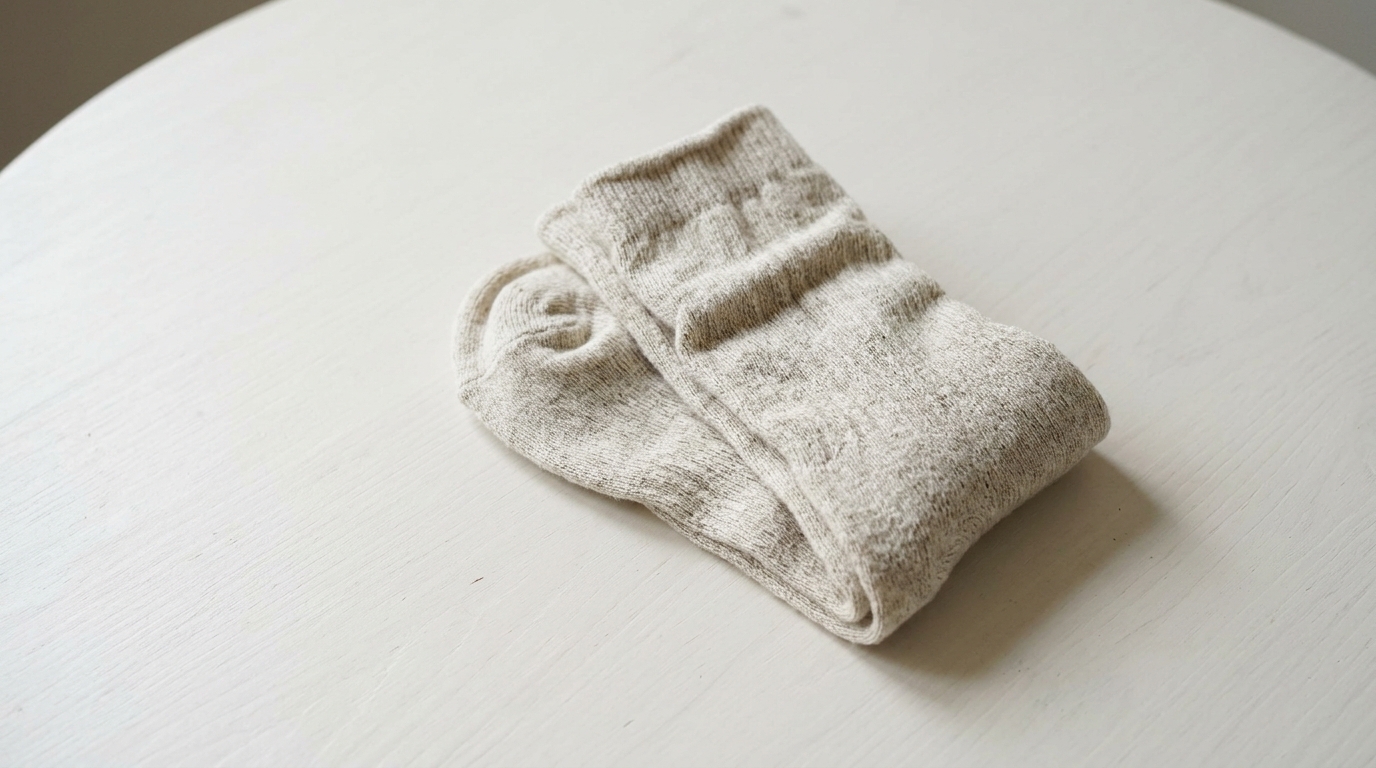
Tight socks foot pain is more common than most people realise. Socks that are too tight squeeze the foot, restrict blood flow, and press on nerves and toes — and the result can be aching, numbness, tingling, or swelling by the end of the day. Tight socks foot pain usually shows up as deep marks around your ankle, cold or tingling toes, and a dull ache that fades once you take the socks off. The fix for tight socks foot pain is usually simple: the right size, the right material, and a looser band. But if you have diabetes or circulation problems, tight socks deserve extra attention.
See a doctor promptly if you notice any of these:
- Numbness or tingling that does not go away after you remove your socks
- Swelling in one foot only, or swelling that does not settle overnight
- Skin that looks pale, blue, or cold to the touch
- Sores, blisters, or breaks in the skin that heal slowly or not at all
- Foot pain with diabetes, poor circulation, or nerve damage — do not wait on this one
What tight socks do to your feet
Your feet rely on good blood flow to stay healthy. Blood carries oxygen down to the toes, and that flow depends on vessels that are surprisingly easy to compress. A sock that is too tight acts like a tourniquet around your ankle or calf: it narrows the vessels, slows the blood coming back up from the foot, and leaves the toes short of fresh, oxygen-rich blood. That restricted flow is the basic mechanism behind tight socks foot pain.
The pressure does not stop at blood flow. The band of a tight sock digs into the skin and presses on the nerves that run close to the surface around the ankle. That is why the first symptoms are often tingling or a pins-and-needles feeling in the toes. Squeezed-together toes can also lead to blisters and ingrown toenails over time.
Why tight socks hurt
The most obvious sign is the marks. If you take your socks off and find deep, lasting indentations around your ankle or calf, the band has been squeezing too hard. Those marks show where circulation was restricted for hours, and fluid pooling below the band is why your feet can look swollen by evening.
Numbness and tingling are the next warning. When blood flow to the nerves is reduced, the nerves start misfiring, and you feel it as tingling, burning, or a foot that has gone to sleep. It usually fades once the socks come off, but daily irritation can make symptoms linger.
There is an important difference between a sock that is too tight and a compression sock. Compression socks are designed to apply graduated pressure — firmest at the ankle, looser as they go up the leg — and they are sized to your measurements. They are meant to help circulation, not fight it. A regular sock that is simply too small applies pressure in the wrong place and makes circulation worse.
For people with diabetes, the stakes are higher. Diabetes can damage the nerves in the feet, which means you may not feel the pain or tingling that would warn someone else their socks are too tight. It also slows healing, so a blister from a tight sock can turn into a serious problem.

What helps tight socks foot pain
Start with the size, because that is usually the whole problem. Socks are sized by shoe size, and if you are between sizes, go up rather than down. A sock that is too small stretches tight across the toes; one a touch too big just feels loose.
Look at the band next. The elastic around the top should sit flat against your leg without digging in, and you should be able to slide a finger underneath it easily. If the band leaves deep red marks, it is too tight.
Material matters more than most people think. Cotton holds moisture, which softens the skin and makes blisters more likely, so a cotton-blend or moisture-wicking sock is usually a better choice for a long day on your feet. A seamless toe — where the seam across the toes is flat or absent — removes a common source of rubbing and pressure.
If your legs swell during the day, consider properly fitted compression socks instead of tight regular socks. They are measured to your calf and ankle, so the pressure is even and graduated, and they actually reduce swelling rather than causing it.
A daily routine for happier feet
Make sock choice part of your morning, not an afterthought. Pick a pair that matches your shoe size and the day ahead — moisture-wicking for a long walk or a workout, a soft loose band for a day at a desk. Do not roll the band over — a rolled band concentrates the pressure in one narrow ring.
During the day, notice what your feet tell you. If your toes feel cold or tingly, or the band feels tight, change your socks or loosen them — do not wait until evening. At the end of the day, take your socks off and look at your feet: check for marks, redness, or sore spots, especially between the toes. If you have diabetes, check daily — your feet may not warn you with pain.
Frequently asked questions
Can tight socks cause foot pain?
Yes. Tight socks squeeze the foot, restrict blood flow, and press on nerves and toes. The result is often a dull ache, tingling, or swelling that fades once the socks come off — which is the clearest sign they were the cause.
How do I know if my socks are too tight?
Deep marks around your ankle or calf are the clearest sign. Other clues are tingling or cold toes, a band you cannot slide a finger under, and feet that swell by the end of the day.
Are compression socks the same as tight socks?
No. Compression socks are sized to your measurements and apply graduated pressure — firmest at the ankle, looser up the leg — which helps circulation. A regular sock that is too small just squeezes, and it makes circulation worse instead of better.
Can tight socks cause numbness in the toes?
Yes. A tight band restricts blood flow to the nerves around the ankle, which causes tingling or numbness in the toes. It usually fades once the socks come off, but daily irritation can make it linger.
What socks should I wear if I have diabetes?
Choose loose-fitting, seamless socks in a moisture-wicking material, and avoid tight bands around the calf. Check your feet every day for marks or sores, because diabetes can reduce feeling and slow healing.
Sources
- Cleveland Clinic — Poor Circulation in the Feet: Causes and Symptoms
- Mayo Clinic — Diabetic Foot Care: Socks and Footwear
- American Podiatric Medical Association — Choosing the Right Socks for Foot Health
- NHS — Foot Problems and Diabetes: Looking After Your Feet
This article is for information only and is not medical advice. If your foot pain is severe, sudden, or not improving, talk to a healthcare professional for a proper diagnosis.