Foot pain after exercise is one of the most common complaints in active people. Your feet absorb the impact of every step, jump, and stride, so when you train harder, longer, or in the wrong shoes, the tissues get stressed. Foot pain after exercise often comes from overuse, tight muscles, worn-out shoes, or a condition like plantar fasciitis. Most foot pain after exercise eases with rest, ice, and better footwear within a few days. But if the pain is sharp, keeps coming back, or stops you from walking normally, it is worth getting checked.
See a doctor promptly if you notice any of these:
- Sharp, pinpoint pain in one spot that hurts to touch or to put weight on
- Pain that is severe, sudden, or follows a twist, fall, or impact
- Swelling, bruising, redness, or warmth that does not settle within a day or two
- Foot pain that keeps you off your feet or does not improve after a week of rest
- Numbness, tingling, or a foot that looks deformed after an injury
What foot pain after exercise usually means
Your feet are built to take a pounding, but they have limits. Every time your foot hits the ground, it absorbs forces several times your body weight. When you suddenly increase your mileage, switch to a new sport, or train on hard surfaces, the load can outpace what your feet are ready for. The tissues get irritated before they have time to adapt, and that irritation is what you feel as soreness after a workout.
The pain often sits in a different place depending on what is irritated. A dull ache in the heel points toward the plantar fascia, the thick band of tissue along the bottom of your foot. Pain across the top of the foot can come from tired tendons, while a burning feeling in the ball of the foot means the forefoot has taken too much load.
Why it happens
The most common reason is doing too much too soon. Your muscles and tendons adapt to training gradually, so a sudden jump in distance, speed, or intensity stresses tissues that are not ready for it. Adding hill work or switching from a treadmill to concrete counts too, even if the workout did not feel extreme.
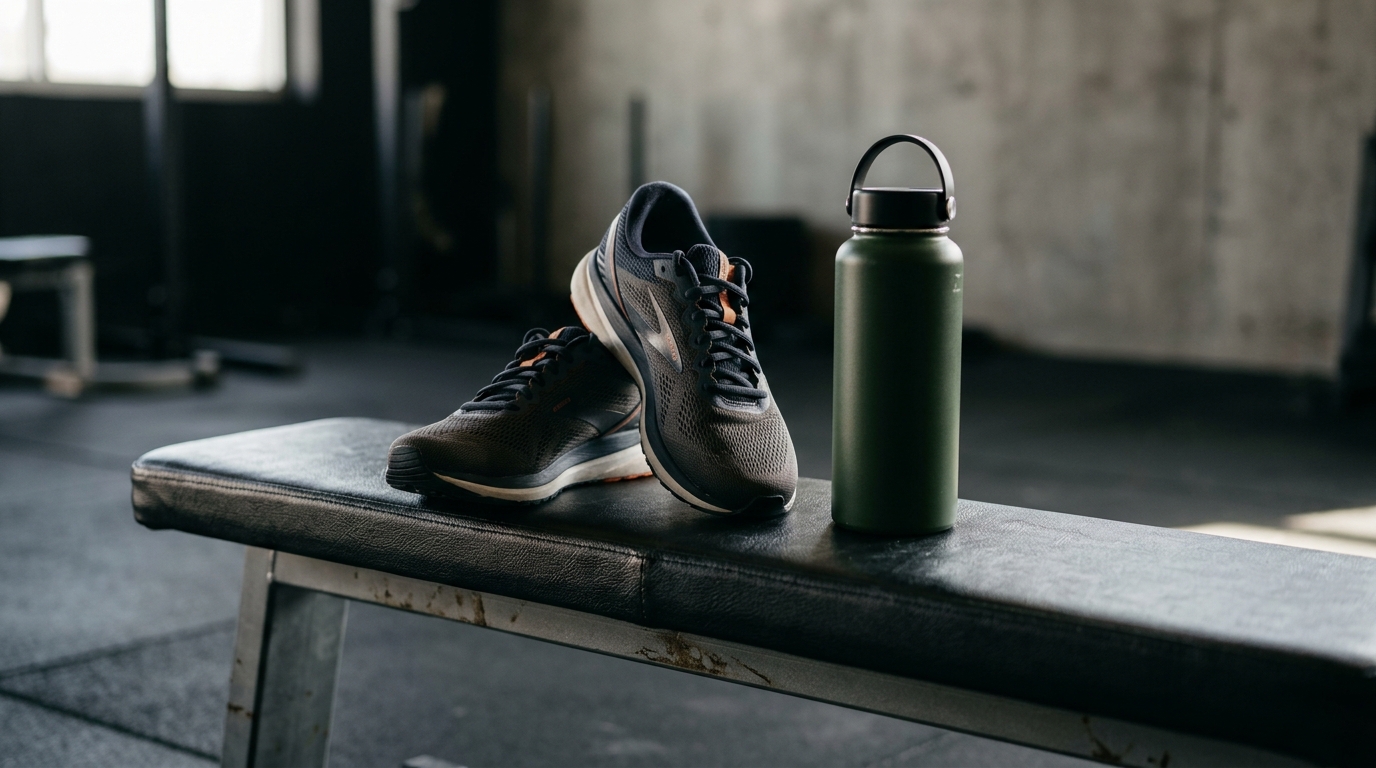
Worn-out shoes are the second big culprit. The cushioning and support in a running shoe break down long before the outside looks tired — most running shoes lose their shock absorption after 300 to 500 miles. When the midsole goes flat, your feet absorb the impact directly, and the heel and arch take the brunt of it.
Underneath all of that, a few specific conditions cause recurring pain after exercise. Plantar fasciitis flares when the band under your foot is overloaded, and it is famous for hurting worst with your first steps in the morning. A stress fracture is a tiny crack in a bone from repeated loading — it hurts in one precise spot, and the pain gets worse during exercise rather than easing as you warm up. Achilles tendinitis is a stiff, aching tendon at the back of the heel. And tight calves make it worse, because the foot works harder with every step.
What helps foot pain after exercise
Start with rest, but not complete rest. A day or two of lighter activity lets irritated tissue calm down, and you can keep moving with low-impact options like cycling or swimming while your feet recover. Do not push through the pain — training on an irritated foot usually makes recovery longer.
Ice is your best friend in the first 48 hours. Roll a frozen water bottle under your foot for ten to fifteen minutes, or soak your feet in cold water after a hard session. It reduces swelling and dulls the ache.
Check your shoes honestly. If they have done hundreds of miles, the cushioning is probably gone, even if the uppers look fine. Replace them with a pair that matches your foot type — a running shop that watches you run can help you find the right fit.
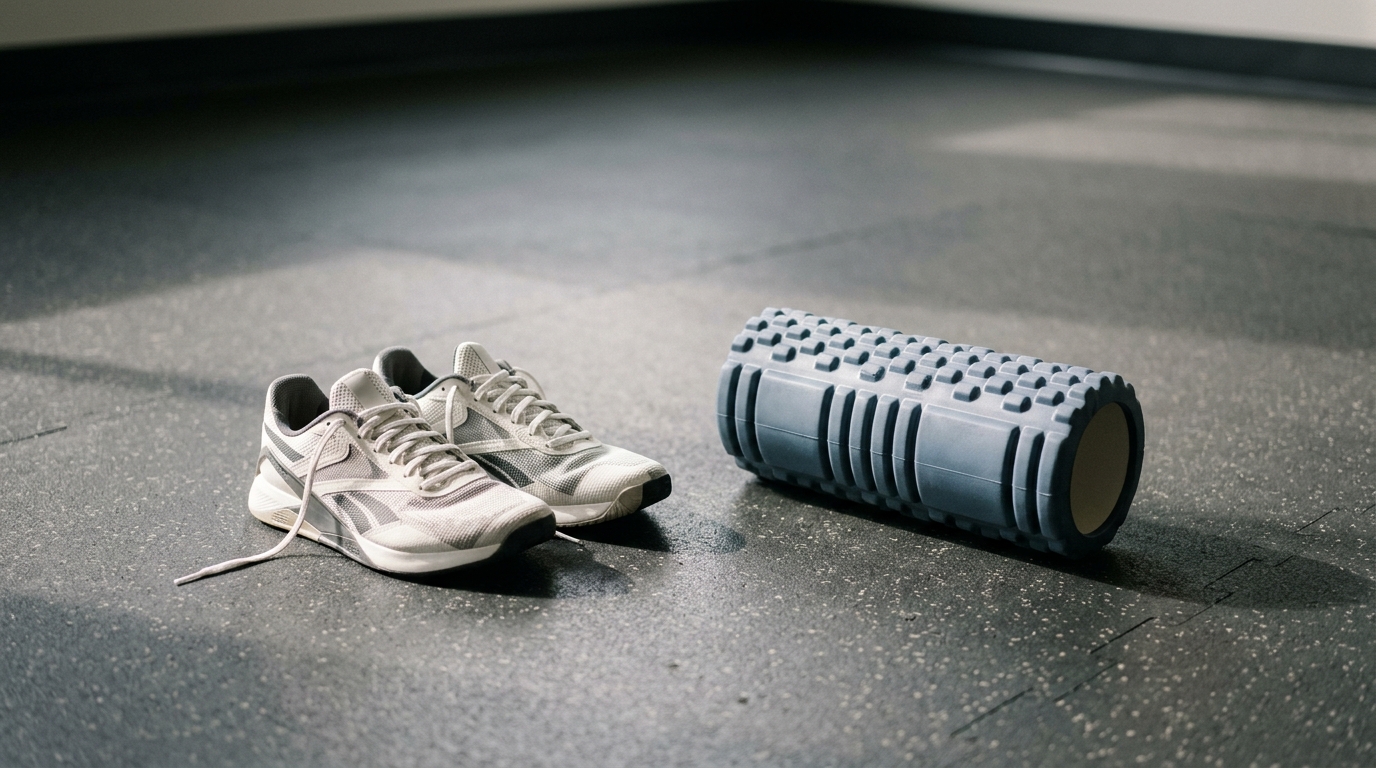
Stretching and strengthening round out the fix. Calf stretches — wall stretches and slow heel drops on a step — take pressure off the Achilles and the plantar fascia. And simple exercises like toe curls build the small muscles that support your arch, which is exactly the strength that protects you on your next workout.
A daily routine that keeps your feet happy
Build the habit around your workouts, not around the pain. Warm up properly before you train — five minutes of easy movement plus a few calf stretches — because cold, tight muscles load the feet harder. Cool down with the same stretches after you finish, when your muscles are warm and flexible.
After training, give your feet ten minutes. Ice the sore spot if it aches, and change into supportive shoes instead of walking around barefoot on hard floors. Increase training gradually — add no more than about ten percent to your weekly distance or time. And keep an eye on your shoes: when the tread is worn smooth or the heel counter goes soft, it is time for a new pair.
Frequently asked questions
Is it normal to have foot pain after exercise?
Some soreness is normal, especially after a harder session than usual or a new activity. It should ease within a day or two. Sharp pain, pain in one spot, or pain that returns after every workout is not normal — get it checked.
Should I keep exercising with foot pain?
Switch to low-impact exercise like cycling or swimming while the pain settles. If walking is painful, or the pain gets worse during exercise instead of easing as you warm up, rest the foot and see a doctor.
How long does foot pain after exercise last?
Mild overuse soreness usually settles in two to three days. Plantar fasciitis or tendon irritation can take weeks to calm down fully. Pain that lasts more than a week, or that returns every time you exercise, needs a proper diagnosis.
Can worn-out shoes cause foot pain after exercise?
Yes, and it is one of the most common causes. Running shoes lose their cushioning after 300 to 500 miles, often before they look worn out. When the midsole goes flat, your feet absorb the impact directly, which leads to heel, arch, and forefoot pain.
When should I see a doctor about foot pain after exercise?
See a doctor if the pain is sharp and focused in one spot, if there is swelling or bruising, if you cannot put weight on the foot, or if the pain does not improve after a week of rest. Sudden pain after a twist or impact needs prompt attention too.
Sources
- Cleveland Clinic — Foot Pain: Causes, Symptoms, and Treatment
- Mayo Clinic — Plantar Fasciitis: Symptoms and Causes
- American Podiatric Medical Association — Sports Injuries of the Foot
- NHS — Foot Pain: Causes and When to Seek Help
This article is for information only and is not medical advice. If your foot pain is severe, sudden, or not improving, talk to a healthcare professional for a proper diagnosis.