Quick Answer: In short, foot pain from jumping usually comes from the repeated impact of landing — it stresses the heel, the arch, and the plantar fascia, the band of tissue along the bottom of your foot. Resting the foot, icing it, wearing supportive shoes, and easing back into jumping gradually can help. If the pain is sharp, one-sided, or doesn’t improve after a week or two of rest, get it checked.
See a doctor promptly if you notice:
- Sharp or severe pain that makes it hard to walk or bear weight
- Swelling or bruising that doesn’t improve after a few days
- Pain in one specific spot on a bone, especially after a hard landing
- Numbness, tingling, or a feeling that your foot “gives way”
- Pain that keeps coming back every time you jump, even after rest
Why Jumping Hurts Your Feet
Every time you jump and land, your feet absorb several times your body weight in a fraction of a second. That force travels through your heels, your arches, and the small bones of your feet. Your feet are built to handle it — but only up to a point. When the load is too much, too sudden, or too repetitive, the tissues get irritated, and that’s when pain shows up.
Foot pain from jumping is common in basketball and volleyball players, gym-goers doing box jumps or jump rope, dancers, and anyone who’s suddenly started a high-impact workout after time away from it. The pain can be a dull ache, a sharp sting on landing, or a soreness that builds over days of training.
What It Is: The Most Common Causes
The most frequent cause is plantar fasciitis — irritation of the plantar fascia, the thick band of tissue that runs along the bottom of your foot from your heel to your toes. Repeated jumping pulls and pounds on this band, and it often hurts most first thing in the morning or after sitting for a while, then eases a bit as you move.
Heel pain after jumping can also come from a heel bruise, sometimes called a stone bruise, where the fat pad under the heel gets compressed by a hard landing. The pain is usually right under the heel bone and feels worse when you press on it or walk barefoot on hard floors.
Stress fractures are less common but more serious. These are tiny cracks in a bone — often a metatarsal in the midfoot — caused by repeated impact rather than one single injury. The pain tends to be in one specific spot and gets worse with activity. If you have that kind of pinpoint pain, it needs a medical check rather than home treatment.
What Helps: Right After It Hurts
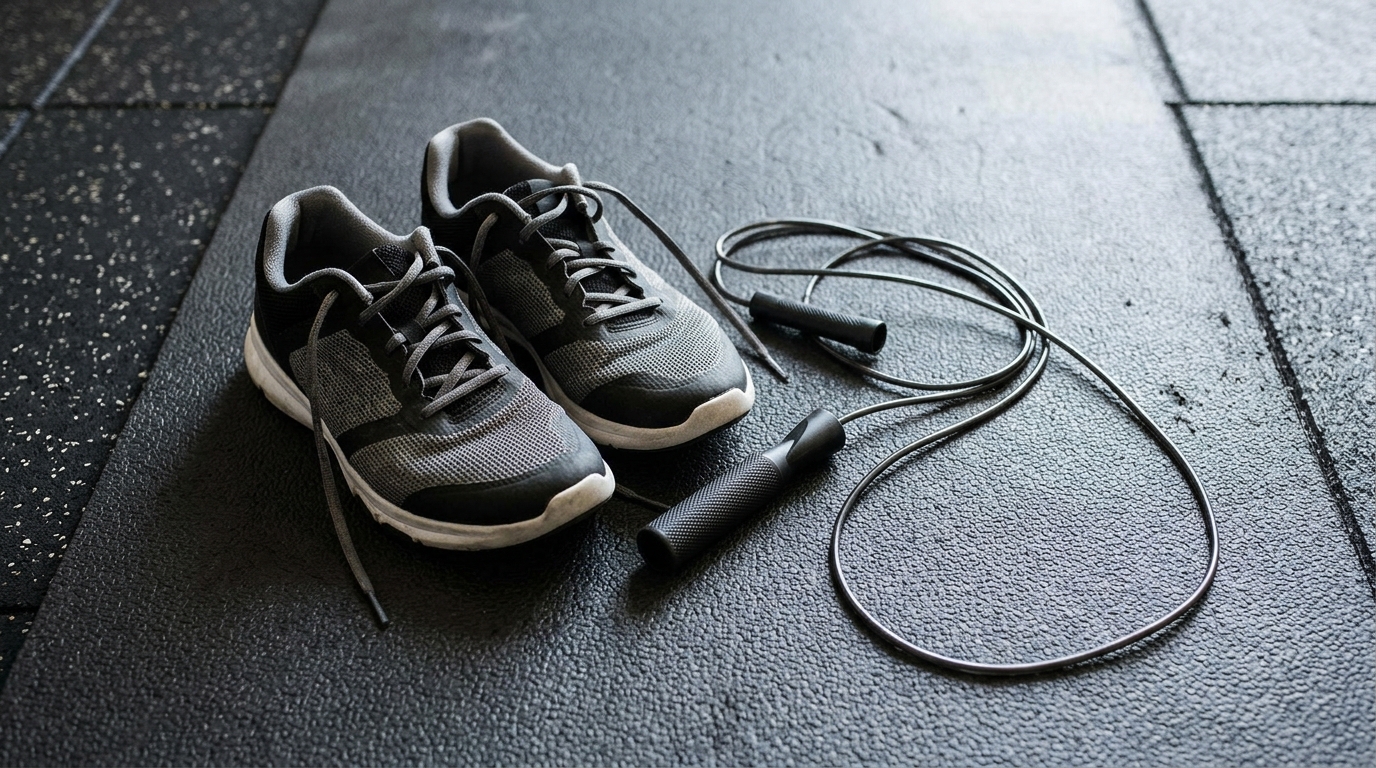
The first thing to do is stop jumping. That sounds obvious, but many people try to push through the pain, and that usually makes the recovery longer. Give your feet a break from high-impact activity for at least a few days, and switch to low-impact exercise like swimming or cycling if you want to stay active.
Ice can help in the first couple of days. Podiatrists recommend icing the sore area for 15 to 20 minutes at a time, a few times a day, with a barrier like a thin towel between the ice and your skin. Rolling your foot over a frozen water bottle is a simple way to ice the arch and the heel at the same time.
Over-the-counter pain relief, used as directed on the label, can ease pain and swelling in the short term. But it doesn’t fix the underlying problem, so don’t use it as a way to keep jumping through pain — that’s how a minor irritation turns into something that needs months off.
What Helps: Footwear and Support
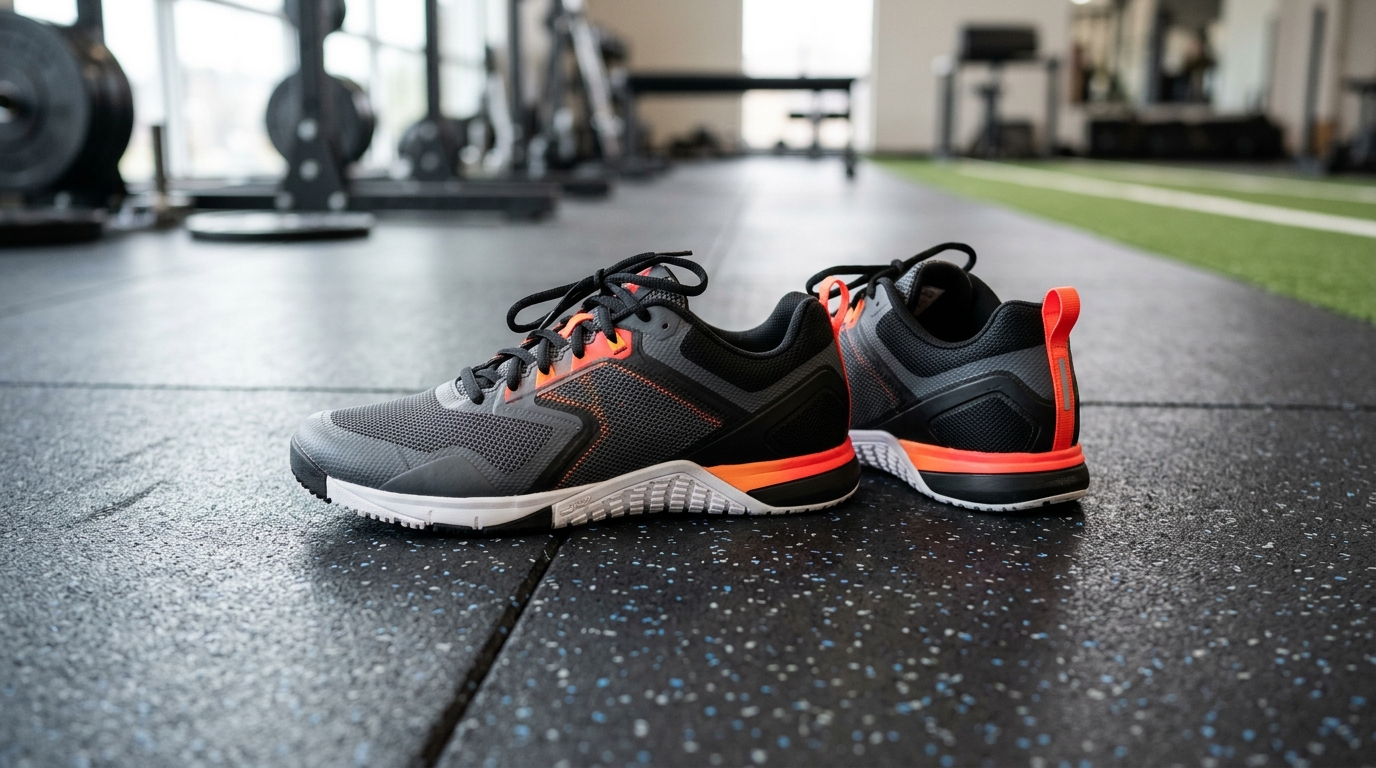
Your shoes matter more than most people realise. The Cleveland Clinic notes that well-cushioned, supportive shoes absorb some of the landing force that would otherwise go straight into your feet. If you’ve been jumping in flat, worn-out, or unsupportive shoes, that’s often part of the problem.
Look for shoes with good heel cushioning and arch support, and replace them when the cushioning is visibly compressed or the tread is worn down. For court sports, wear shoes made for that sport — they are designed for the sideways and landing forces involved, while running shoes are built mainly for forward motion.
Your Recovery Routine
Here’s a practical routine for getting back to jumping without re-injuring your feet:
- Rest days: Take at least a few days off jumping when pain first appears. Walk normally, but avoid running, jumping, and standing for long periods on hard floors.
- Daily stretch: Stretch your calves and the bottom of your foot each morning and evening. A simple calf stretch against a wall, held for 30 seconds per leg, and gently pulling your toes back toward your shin can help ease tightness.
- Ice after activity: If you’ve been on your feet a lot, ice the sore area for 15 minutes in the evening.
- Strengthen gradually: Once the pain has eased, build up your foot and calf strength with simple exercises like towel scrunches with your toes and slow calf raises.
- Return slowly: When you go back to jumping, start with low-impact versions — smaller jumps, softer surfaces, fewer reps — and increase gradually over a couple of weeks rather than jumping straight back to your old volume.
FAQs
Is foot pain after jumping normal?
Some mild soreness after a hard jumping session is normal, especially if you’re new to it. But sharp pain, pain in one specific spot, or pain that doesn’t fade within a day or two isn’t normal and deserves attention.
How long does foot pain from jumping take to heal?
Mild overuse soreness often eases within a few days of rest. Plantar fascia irritation can take a few weeks of consistent rest, stretching, and supportive footwear. Stress fractures take much longer and need medical care.
Should I keep exercising if my feet hurt from jumping?
You can usually stay active with low-impact exercise like swimming or cycling, which doesn’t pound your feet. Avoid jumping, running, and other high-impact activity until the pain has settled.
What shoes are best for jumping?
Shoes with good heel cushioning and arch support, made for your activity — court shoes for basketball or volleyball, cross-trainers for gym work. Replace them when the cushioning wears out, since worn shoes pass more impact to your feet.
When should I see a doctor about foot pain from jumping?
See a doctor promptly if the pain is sharp or severe, if you can’t bear weight on the foot, if there’s swelling or bruising that doesn’t improve, or if the pain keeps returning every time you jump despite rest.
Sources
- American Podiatric Medical Association — sports and overuse foot injury guidance
- Mayo Clinic — plantar fasciitis and stress fracture information
- Cleveland Clinic — foot pain causes and footwear guidance
This article is for general information only and is not medical advice. Talk to your doctor or a podiatrist about your own feet.