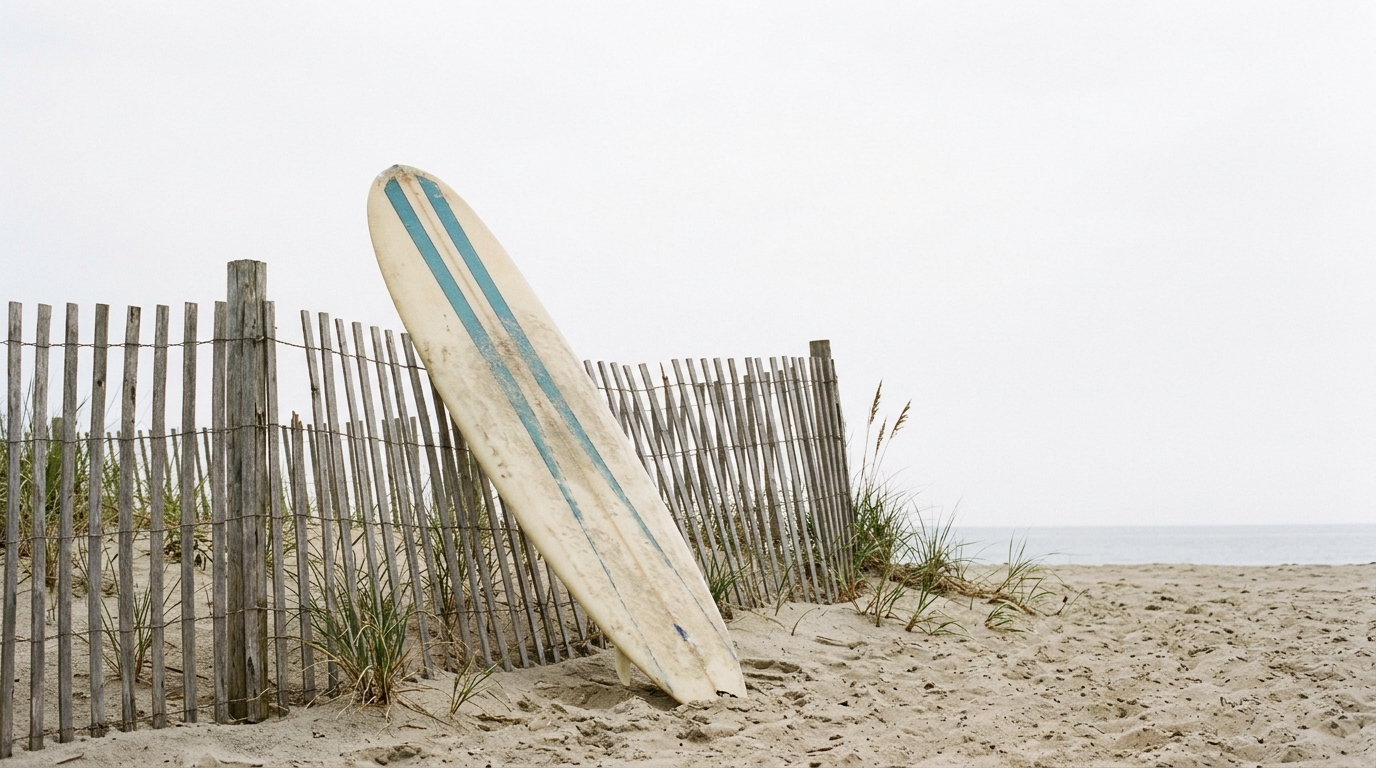
Quick Answer: In short, foot pain from surfing usually comes from doing a high-impact sport completely barefoot — the pop-up slams your soles onto a hard board, your feet grip the wax for balance, and reef or rocks can cut and bruise them. The pain is usually soreness in the soles and arches, and it often fades with rest, better pop-up technique, and foot protection. If it stays sharp, lasts more than a couple of weeks, or comes with swelling or an open cut, get it checked by a doctor or podiatrist.
See a doctor promptly if you notice:
- Sharp or severe pain in the heel, arch, or a single spot on a bone
- Pain that makes walking or putting weight on your foot difficult
- Swelling, redness, or warmth that doesn’t settle within a day or two
- Numbness, tingling, or a burning feeling in your foot or toes
- A cut or wound that looks infected, or pain that keeps coming back after every session
Why Surfing Can Hurt Your Feet
Surfing is one of the few sports where you go completely barefoot on a hard surface. No shoes, no socks, no cushioning — just your bare soles on a fiberglass board, with cold water, hot sand, and a reef underneath. Your feet take the full force of every move you make.
What It Is: The Most Common Causes
The pop-up is the biggest culprit. When you jump from lying flat to standing in one quick motion, your feet slam down onto the board, often with your full weight on the balls of your feet. Do that dozens of times in a session and the soles get bruised and sore, especially if your timing is off and you land hard or crooked.
Gripping the board is another frequent complaint. To stay balanced, your toes curl and grip the wax, and the small muscles in your feet work hard to keep you steady. After a long session, that constant gripping leaves your arches cramping and your toes stiff — a lot like the ache from walking barefoot on hard ground all day. Our guide to foot pain from walking barefoot covers the same soreness on land.
Reef cuts and bruises are the most obvious cause. A shallow reef, a rock, or even a sharp shell can cut the sole of your foot or bruise the heel badly. Even a small cut stings in salt water, and if it gets infected it can keep you out of the water for weeks.
Cold water makes everything worse. When your feet are cold, the muscles tighten and blood flow drops, so your feet are stiffer and more likely to cramp — winter sessions are when many surfers first notice arch pain. And after a session, walking barefoot across hot sand or rough concrete adds one more round of punishment. Our guide to foot care after swimming has practical tips for cleaning and drying your feet after any time in the water.
What Helps: Protecting Your Feet in the Water
The first fix is your pop-up. A smoother, more controlled pop-up lands your feet gently instead of slamming them down. Practicing on land — on a soft mat or carpet — helps your body learn to land with your feet under your shoulders, not splayed out or twisted.
Reef booties are worth considering at shallow reef or rocky breaks. Modern booties are thin enough to still feel the board, and they protect your soles from cuts and bruises — they’re not just for beginners.
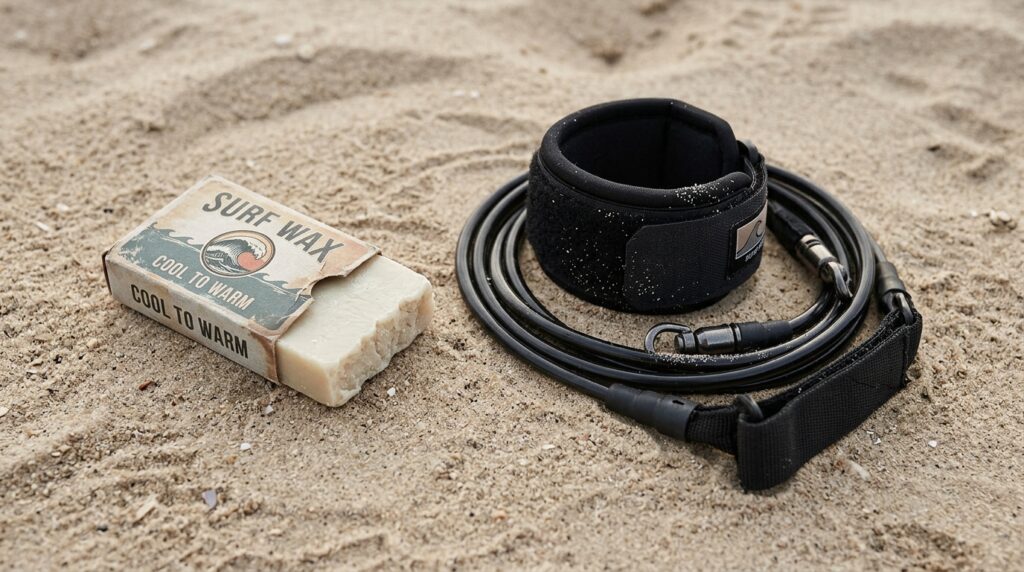
Wax matters more than you’d think. A board with patchy or worn wax makes your feet work harder to grip, and that extra gripping is what cramps your arches. A fresh, even coat gives your feet something to hold onto without straining.
Stretch your feet and calves before you paddle out. The Cleveland Clinic points out that tight calves are one of the most common reasons heel and arch pain flares during exercise, and cold water makes tight calves even stiffer. A wall calf stretch and a few ankle circles on the beach take two minutes.
What Helps: Recovery After a Session
After a sore session, rinse your feet with clean fresh water and check them for cuts — even small ones. Salt water and sand can hide a cut you didn’t feel in the water, and a cut that isn’t cleaned can get infected quickly. Dry your feet properly — especially between your toes — before you put your shoes back on.
Rest your feet for a day and let the ache settle. Rolling the bottom of your foot over a tennis ball or a frozen water bottle for a few minutes loosens tight tissue — just keep the pressure gentle if the sole is bruised or tender.
Your Daily Routine for Happier Feet in the Surf
Here’s a routine to keep your feet comfortable when you surf:
- Warm up your feet: Before you paddle out, spend two minutes spreading your toes, scrunching a towel with them, and rolling each ankle in circles.
- Practice your pop-up on land: A few slow pop-ups on a soft mat before each session teach your feet to land gently.
- Wear reef booties at rocky breaks: Thin booties protect your soles from cuts and bruises without killing your feel for the board.
- Rinse and check your feet after every session: Clean fresh water, a quick look for cuts, and dry them properly — especially between the toes.
- Roll sore feet: Roll the bottom of each foot over a tennis ball for a few minutes after a session, and rest a day if the ache remains.
FAQs
Is foot pain from surfing normal?
Mild soreness in the soles or arches, especially when you’re new to surfing, is common and usually fades with rest and better pop-up technique. Sharp or persistent pain is not normal and should be checked.
Why do the soles of my feet hurt after surfing?
The pop-up lands your full weight on your bare soles, and your feet grip the wax for balance the whole session. That repeated impact bruises and tires the soles, especially if your timing is off.
Can surfing cause plantar fasciitis?
Surfing can irritate the plantar fascia, especially with tight calves and cold, stiff feet in the water. Rest, calf stretching, and a smoother pop-up usually help — persistent heel pain should be checked by a doctor.
Should I wear reef booties?
Reef booties are a smart choice at shallow reef or rocky breaks — they protect your soles from cuts and bruises, and modern thin ones still let you feel the board.
When should I see a doctor about foot pain from surfing?
See a doctor promptly if the pain is sharp or severe, if swelling doesn’t settle, if a cut looks infected or won’t heal, or if the pain keeps coming back despite resting and adjusting your technique.
Sources
- Mayo Clinic — plantar fasciitis causes and symptoms
- Cleveland Clinic — arch pain and calf tightness information
- American Podiatric Medical Association — foot strengthening exercises
This article is for general information only and is not medical advice. Talk to your doctor or a podiatrist about your own feet.