Quick Answer: In short, foot pain from walking uphill usually comes from the extra push-off your toes and forefoot do with every step — climbing loads your calves, arches, and the balls of your feet far more than flat ground does. The pain is usually mild and fades with rest and better shoes. If it stays sharp or lasts more than a couple of weeks, see a doctor or podiatrist.
See a doctor promptly if you notice:
- Sharp or severe pain in the heel, arch, or a single spot on a bone
- Pain that makes walking or putting weight on your foot difficult
- Swelling, redness, or warmth that doesn’t settle within a day or two
- Numbness, tingling, or a burning feeling in your foot or toes
- Pain that keeps coming back every climb and isn’t improving
Why Walking Uphill Can Hurt Your Feet
Walking uphill looks like ordinary walking, just tilted — but your feet know the difference immediately. On flat ground, your heel strikes first and your weight rolls smoothly forward. On a climb, your foot lands more on the forefoot, and your toes bend and push hard.
That’s the whole story. The ball of your foot takes far more pressure than on the flat, the arch has to hold its shape under a heavier load, and the Achilles and calf get stretched and worked hard. If any of those parts are already tight or weak, a hill will find the weak spot fast. Uphill is the opposite of downhill: going down, your heel brakes; going up, your toes push.
What It Is: The Most Common Causes
Forefoot overload is the most common culprit. Every uphill step pushes off the ball of your foot, and on a steep slope that push is much harder. The metatarsal area — the bones behind your toes — absorbs that force, and when it’s too much, you get a burning ache. The Cleveland Clinic lists excess forefoot pressure among the most common causes of metatarsalgia, and steep hills are a classic trigger.
Tight calves and Achilles strain come next. Climbing stretches the calf and Achilles with every step, and if they’re already tight — from sitting all day or running — the tendon pulls on the heel and the arch aches. The Mayo Clinic points out that tight calf muscles are a major contributor to heel and arch pain during exercise.
Plantar fascia strain shows up on hills too. The band of tissue along the bottom of your foot has to support your arch under extra load while your toes are bent hard for push-off. If it’s already irritated, climbing can turn a mild ache into a sharp pain.
Then there’s simply doing too much too soon. A hilly hike after weeks of flat walking asks muscles and tendons to do work they haven’t adapted to yet. Downhill walking stresses your feet the opposite way — heel braking and toe jamming — and our guide to foot pain from walking downhill covers that problem if the way down hurts more than the way up.
What Helps: Shoes and Technique
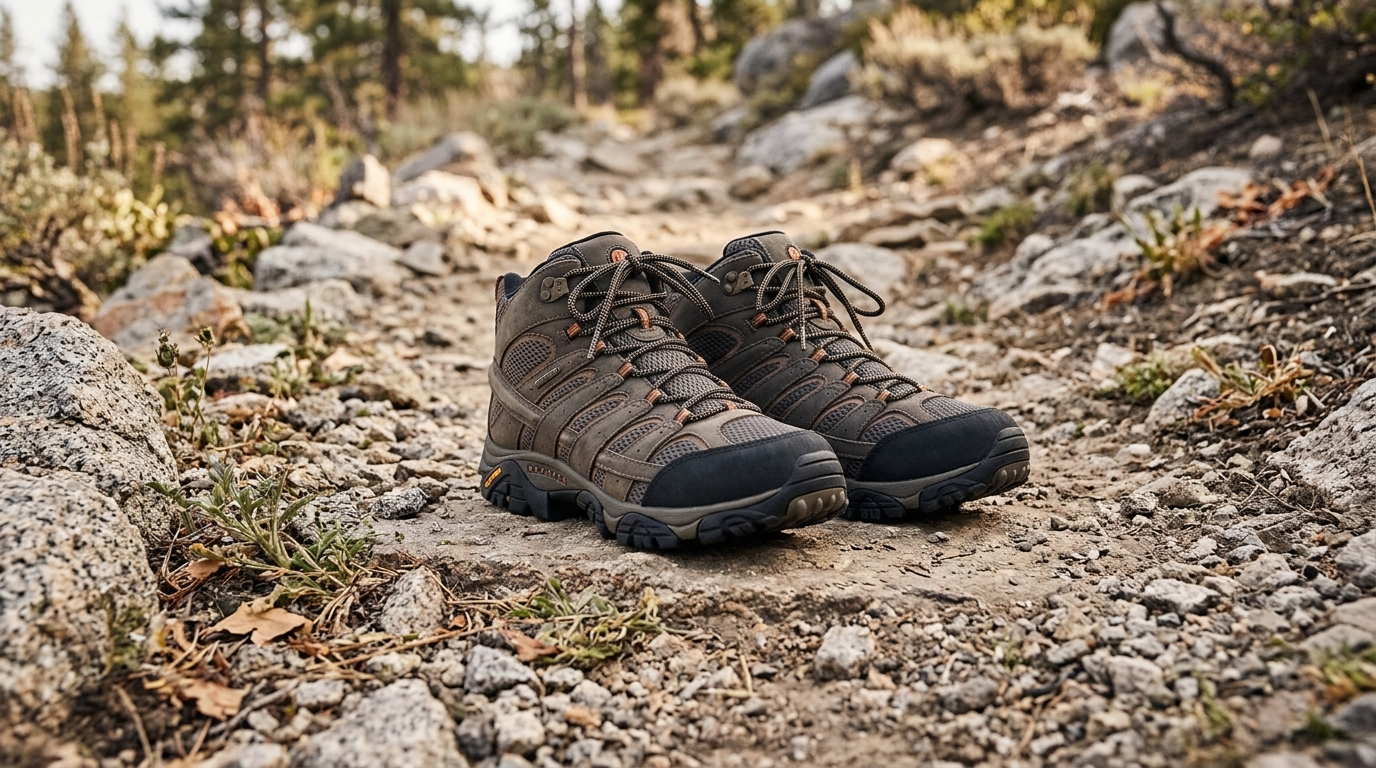
Good shoes are the first fix. You want a firm heel counter, a supportive arch, and a cushioned forefoot — a flat shoe with no arch support lets your foot collapse inward on every push-off. A slight heel-to-toe drop helps too, taking some stretch off the Achilles.
Shorten your stride on steep stretches. Long uphill strides force your toes to bend further and push harder; shorter, quicker steps spread the load and stop your calves from overworking.
Use your whole foot, not just your toes. Plant the foot flat and let the heel touch down before you push off — landing only on the ball of your foot concentrates all the force there.
Stretch your calves before and after a climb. A wall calf stretch — heel on the ground, leg straight, lean in for 30 seconds on each leg — loosens the muscles that uphill walking works hardest. The American Podiatric Medical Association recommends regular calf stretching for walkers with aching feet.
What Helps: Building Up and Recovering
Build up gradually. If you’ve just started a hilly route, don’t do the full climb every day — alternate hill days with flat days and let your feet adapt. Rest and ice help after a sore climb: roll the bottom of each foot over a tennis ball for a few minutes, using gentle pressure only.
Strengthening helps over time. Toe curls, towel scrunches, and heel raises build the small muscles in your feet and calves that climbing depends on — a few minutes a day is enough. Climbing stairs loads your feet in a very similar way, and our guide to foot pain from climbing stairs has more on strengthening for step-up work. Watch your pace on the steepest parts — slow down if your calves tighten.
Your Daily Routine for Happier Feet on Hills
Here’s a routine to keep your feet comfortable on climbs:
- Wear supportive shoes: Firm heel counter, supportive arch, cushioned forefoot — and a slight heel-to-toe drop.
- Stretch your calves first: Hold a wall calf stretch for 30 seconds per leg before and after you climb.
- Take short steps: Shorten your stride on steep stretches and plant your whole foot.
- Build up slowly: Alternate hill days with flat days for the first couple of weeks so your feet can adapt.
- Roll sore feet after: Roll the bottom of each foot over a tennis ball after a climb.
FAQs
Is foot pain from walking uphill normal?
Some soreness is common if you’re new to hilly routes, your calves are tight, or you’ve jumped into steep climbs after weeks on the flat. Mild aching that fades with rest is normal — sharp or persistent pain is not.
Why do the balls of my feet hurt when I walk uphill?
Uphill steps push off the ball of your foot with much more force than flat walking does. That extra pressure on the metatarsal area causes a burning ache — shorter steps and cushioned shoes help.
Why do my calves hurt when I walk uphill?
Climbing makes your calves work hard to lift your body with every step, and it stretches the calf and Achilles at the same time. Tight calves tire quickly and pull on the heel — stretching and building up gradually are the best fixes.
Is walking uphill bad for plantar fasciitis?
It can aggravate it, because climbing loads the plantar fascia while your toes are bent hard for push-off. If you have plantar fasciitis, build up slowly, wear supportive shoes, and back off if the heel flares.
When should I see a doctor about foot pain from walking uphill?
See a doctor promptly if the pain is sharp or severe, if there’s swelling that doesn’t settle, or if the pain keeps coming back every climb.
Sources
- Mayo Clinic — calf tightness and heel pain during exercise
- Cleveland Clinic — metatarsalgia and forefoot pain causes
- American Podiatric Medical Association — calf stretching and walking foot care
This article is for general information only and is not medical advice. Talk to your doctor or a podiatrist about your own feet.