Quick Answer: In short, foot pain from hairdressing usually comes from standing in one small spot for hours at a time, constantly pivoting between the chair and the trolley while your feet carry your full weight on a hard salon floor. It usually eases with rest, supportive shoes, and regular stretching. If it stays sharp, lasts more than a couple of weeks, or comes with swelling, get it checked by a doctor or podiatrist.
See a doctor promptly if you notice:
- Sharp or severe pain in the heel, arch, or a single spot on a bone
- Pain that makes walking or putting weight on your foot difficult
- Swelling, redness, or warmth that doesn’t settle within a day or two
- Numbness, tingling, or a burning feeling in your foot or toes
- Pain that keeps coming back after every shift despite rest
Why Hairdressing Can Hurt Your Feet
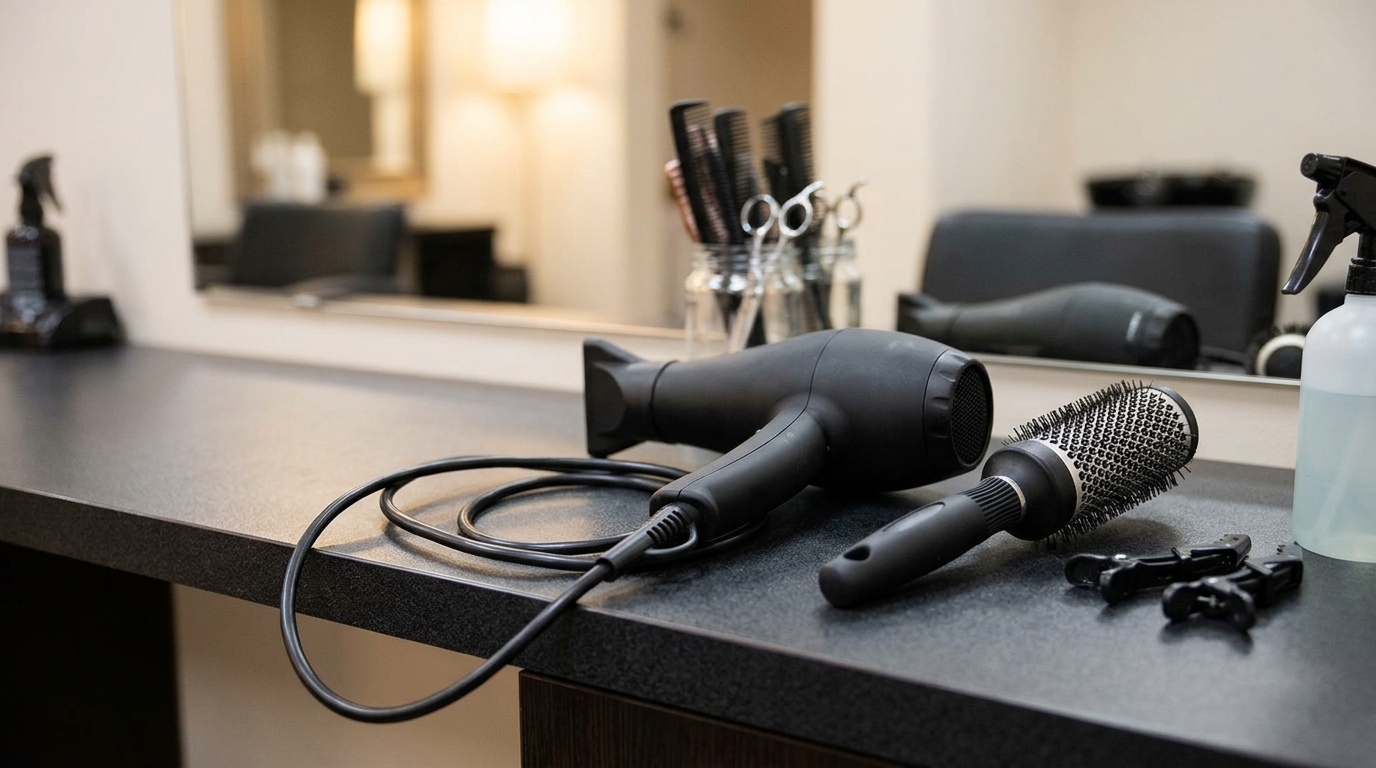
Hairdressing looks easy on your feet — you stay in one place, after all. But think about what your feet actually do during a shift. You stand at the chair for hours, shifting your weight from foot to foot, pivoting to reach the trolley, leaning in for a precise cut, then stepping back to check the shape. You rarely sit, and you rarely walk far enough to change the load on your feet.
That stillness is the problem. When you walk, your feet take turns loading and unloading. When you stand in one spot, the same parts of your feet carry your full weight without a break. Your arches gradually flatten, your heels take a constant pounding, and your calves tighten as they hold you upright. Our guide to sore feet after standing explains how all-day pressure builds up — in the salon, the pivoting and the hard floor add even more strain.
What It Is: The Most Common Causes
Standing in one spot is the biggest culprit. A hairdresser can spend eight to ten hours on their feet, and the floor never gives. Hard salon tiles offer no cushioning, so every hour sends the same pressure into your heels and arches.
Pivoting twists your feet. Every cut asks you to turn your body while your feet stay planted, and that repeated twisting strains the joints in your midfoot and the muscles along your arches. Over a long shift, those small twists add up.
Heel pain is another frequent complaint. Standing still puts most of your weight through your heels, and tight calves — common when you never stretch during a shift — add to the load. That dull evening ache, or the sharp first steps in the morning, are the classic signs of an irritated plantar fascia.
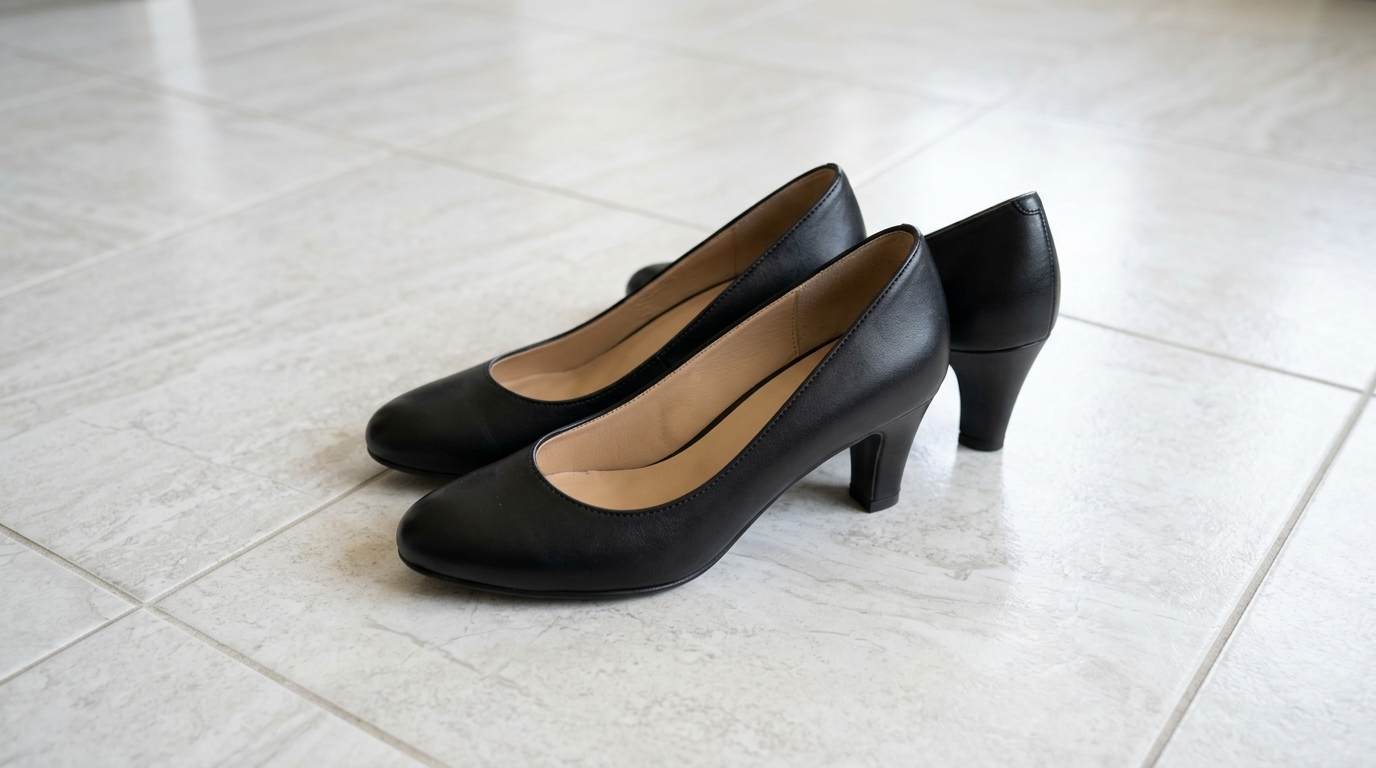
Your shoes often make it worse. Many hairdressers work in flat, fashionable shoes with no arch support and no cushioning, chosen for looks rather than how they feel after six hours. Thin soles on a hard floor are a bad combination, and narrow shoes squeeze your toes all shift, which can lead to aching forefoot pain and cramping. Our guide to the best shoes for hairdressers looks at what works on a salon floor — but even the best shoe can’t fix a shift spent standing still without breaks.
What Helps: Moving More During Your Shift
Shift your weight from foot to foot every few minutes, rise up onto your toes while a colour develops, or walk to the back room between clients. Those tiny movements keep blood flowing and give your arches a break.
An anti-fatigue mat at your station softens the hard floor and lets your feet move slightly with every step, spreading the load. The Cleveland Clinic notes that standing on a cushioned surface can reduce the strain on your feet and lower legs during long periods on your feet.
Wear supportive shoes — real arch support, a cushioned sole, and a snug heel make a noticeable difference by the end of a shift. Keep a second pair at the salon to swap into halfway through the day.
What Helps: Recovery After a Shift
After a sore shift, get out of your work shoes and into something soft and supportive. Ice the sore spot for ten to fifteen minutes if it’s swollen, and roll the bottom of your foot over a tennis ball to loosen tight tissue.
Stretch your calves every evening: face a wall, step one foot back, and press the heel into the floor for thirty seconds on each side. Tight calves pull on your heels all day, so loosening them eases the morning ache.
Rest your feet if the ache is still there the next morning — working through sore feet changes how you stand and pivot, and that compensation turns a small ache into a real injury. Build in at least one proper sitting break per day.
Your Daily Routine for Happier Feet in the Salon
Here’s a routine to keep your feet comfortable through long shifts:
- Stretch your calves and arches daily: A wall calf stretch and a few ankle circles each morning keep your heels and arches loose before your first client.
- Strengthen your feet: Toe spreads, towel scrunches, and single-leg balance build the muscles that support your arches.
- Check your shoes before your shift: Cushioned soles, arch support, and dry, moisture-wicking socks.
- Move between clients: Shift your weight, rise onto your toes, and walk to the back room whenever you get a gap.
- Recover after every shift: Roll sore feet over a tennis ball, ice anything swollen, and stretch your calves before bed.
FAQs
Is foot pain from hairdressing normal?
Mild soreness in the arches or heels after a long shift is common and usually fades with rest, better shoes, and stretching. Sharp or persistent pain should be checked.
Why do my heels hurt after a shift at the salon?
Standing still puts most of your weight through your heels for hours, and tight calves add to the load — hard floors offer no cushioning, so your heels absorb it all day.
Can hairdressing cause plantar fasciitis?
Yes — long hours standing still, tight calves, and unsupportive shoes can irritate the plantar fascia. Rest, calf stretching, and supportive shoes usually help, but persistent heel pain should be checked by a doctor.
What shoes are best for hairdressers?
Shoes with real arch support, a cushioned sole, and a snug heel work best — flat, thin-soled shoes make the pain worse. Keep a second pair at the salon to swap into halfway through the day.
When should I see a doctor about foot pain from hairdressing?
See a doctor promptly if the pain is sharp or severe, if swelling doesn’t settle, if you can’t put weight on your foot, or if it keeps coming back despite rest and better shoes.
Sources
- Mayo Clinic — plantar fasciitis causes and symptoms
- Cleveland Clinic — foot pain from prolonged standing information
- American Podiatric Medical Association — foot strengthening exercises
This article is for general information only and is not medical advice. Talk to your doctor or a podiatrist about your own feet.