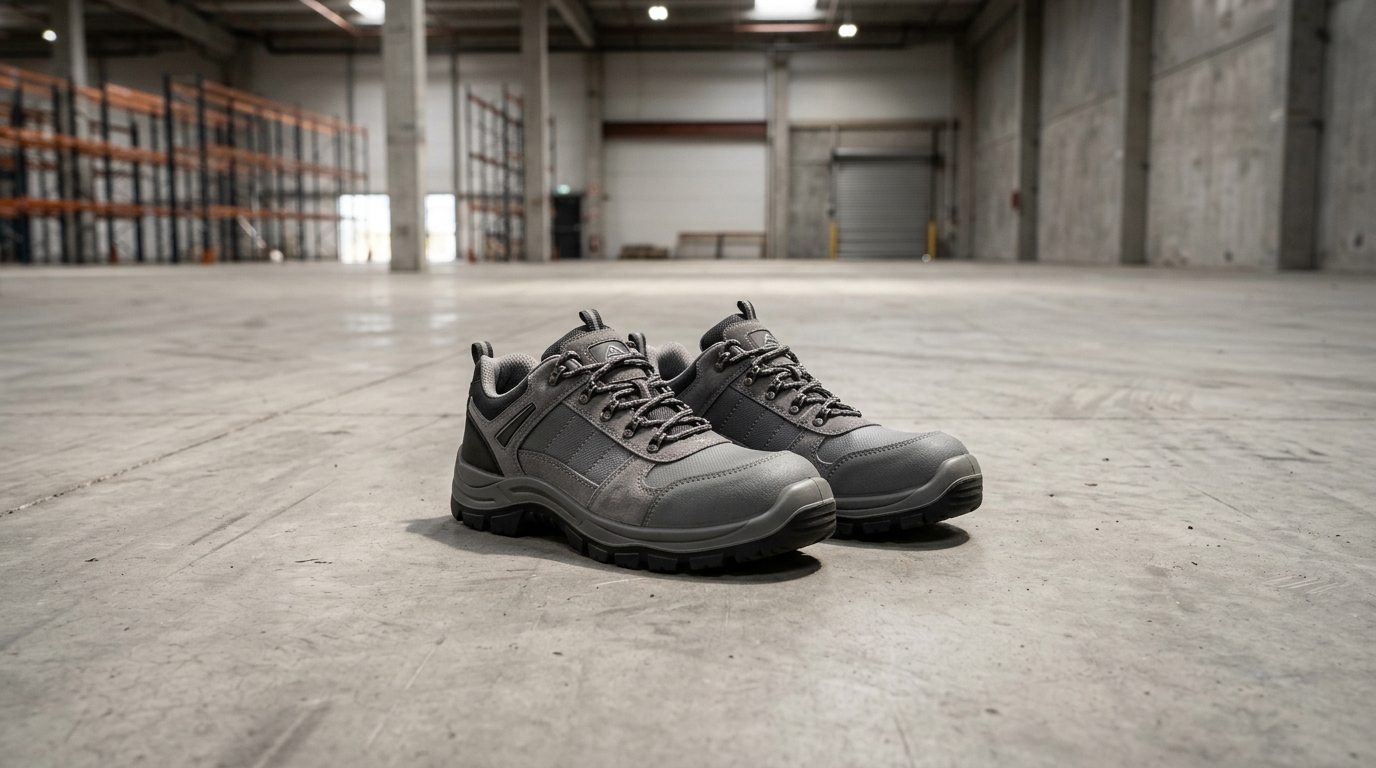
Quick Answer: In short, foot pain from warehouse work usually comes from long shifts in heavy safety shoes on hard concrete — miles of walking, heavy lifting, and standing at a station all load the same spots in your heels and arches for ten hours. It usually eases with rest, better insoles, and regular stretching. If it stays sharp, lasts more than a couple of weeks, or comes with swelling, get it checked by a doctor or podiatrist.
See a doctor promptly if you notice:
- Sharp or severe pain in the heel, arch, or a single spot on a bone
- Pain that makes walking or putting weight on your foot difficult
- Swelling, redness, or warmth that doesn’t settle within a day or two
- Numbness, tingling, or a burning feeling in your foot or toes
- Pain that keeps coming back after every shift despite rest
Why Warehouse Work Can Hurt Your Feet
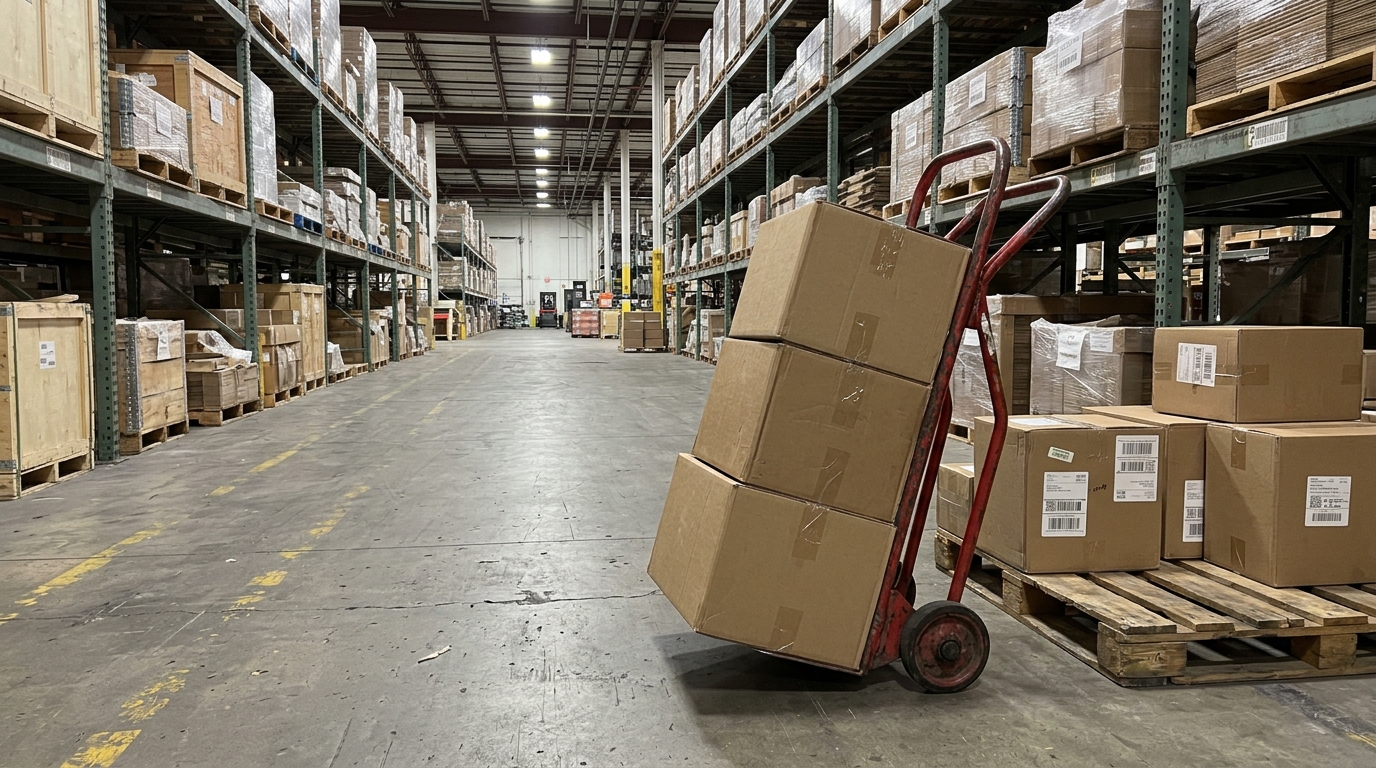
Warehouse work asks a lot of your feet. A typical shift runs eight to twelve hours, and in that time you walk miles across the floor, lift and carry heavy boxes, and stand at a packing station or a forklift. Your feet rarely get a break.
The combination is what hurts. Walking alone wouldn’t be a problem, and standing alone wouldn’t either — but warehouse work stacks them together on an unforgiving surface. Concrete gives nothing back: every step jolts your heels, and every hour of standing presses your arches flat. Add heavy lifting, which drives your body weight plus the box down through your feet, and you’ve got sore heels, aching arches, and tired legs by the end of the shift. Our guide to foot pain from standing on concrete covers the surface problem on its own — warehouse work adds the walking, the lifting, and the long hours on top.
What It Is: The Most Common Causes
Hard concrete is the biggest culprit. Unlike grass or carpet, concrete offers no cushioning at all, so your feet absorb the full impact of every step for ten hours — that’s what leaves your heels throbbing by the end of a shift.
Heavy safety shoes add to the strain. Steel-toe boots protect you from falling boxes, but they’re stiff and heavy, and most come with flat, thin insoles and almost no arch support. Every step in a rigid boot forces your foot to work harder.
Lifting loads your feet differently. When you pick up a heavy box, your body weight plus the box pushes down through your arches and heels. Squatting puts extra pressure on the balls of your feet, and twisting shifts the load to one foot at a time.
Long shifts with no real recovery are the final piece. Your feet can handle a hard morning, but by hour eight or nine the muscles supporting your arches are tired, your calves have tightened, and your form slips. That’s when a sore shift turns into a sore next morning. Our guide to the best shoes for warehouse workers looks at footwear built for this kind of day — but even the best boot can’t carry a twelve-hour shift without breaks.
What Helps: Footwear and Insoles That Work on Concrete
The first fix is inside your boots. Most safety boots ship with a flat, flimsy insole, so swapping in a supportive one is the single best upgrade you can make. Look for real arch support and a cushioned heel — it spreads the load across your whole foot. The Cleveland Clinic notes that arch support can ease the strain on the plantar fascia during long periods on your feet.
Make sure your boots fit properly: snug around the heel and midfoot, with a thumb’s width of space in front of your longest toe — feet swell during a long shift, and a boot that fits in the morning can pinch later. Wear moisture-wicking socks and change them halfway through if they get damp.
Keep a second pair of insoles or boots if you can — rotating footwear gives the cushioning time to recover between shifts.
What Helps: Recovery After a Shift
After a sore shift, get out of your boots and into something soft and supportive. Ice the sore spot for ten to fifteen minutes if it’s swollen, and roll the bottom of your foot over a tennis ball to loosen tight tissue.
Stretch your calves every evening: face a wall, step one foot back, and press the heel into the floor for thirty seconds on each side. Tight calves pull on your heels all day, so loosening them eases the morning ache.
Rest your feet if the ache is still there the next morning — working through sore feet changes how you walk and lift, and that compensation turns a small ache into a real injury. Build in at least one proper sitting break per day, feet raised if you get the chance.
Your Daily Routine for Happier Feet on the Warehouse Floor
Here’s a routine to keep your feet comfortable:
- Stretch your calves and arches daily: A wall calf stretch and a few ankle circles each morning keep your heels and arches loose before your shift starts.
- Strengthen your feet: Toe spreads, towel scrunches, and single-leg balance build the muscles supporting your arches.
- Check your boots before your shift: Supportive insoles, a snug heel, and dry, moisture-wicking socks.
- Take breaks on long shifts: Sit down, stretch, and change your socks halfway through.
- Recover after every shift: Roll sore feet over a tennis ball, ice anything swollen, and stretch your calves before bed.
FAQs
Is foot pain from warehouse work normal?
Mild soreness in the arches or heels after a long shift is common and usually fades with rest, better insoles, and stretching. Sharp or persistent pain should be checked.
Why do my feet hurt so much after a warehouse shift?
Walking and standing on hard concrete, heavy lifting, and stiff safety boots all load the same spots in your feet for ten hours or more. By the end of the shift the muscles supporting your arches are tired — that’s when the ache turns into pain.
Can warehouse work cause plantar fasciitis?
Yes — long hours on concrete in stiff boots with little arch support can irritate the plantar fascia, especially with tight calves. Rest, calf stretching, and supportive insoles usually help, but persistent heel pain should be checked.
What insoles are best for warehouse workers?
Look for real arch support and a cushioned heel that fit your safety boots. Replace them when the cushioning flattens out — most wear down after a few months of daily use on concrete.
When should I see a doctor about foot pain from warehouse work?
See a doctor promptly if the pain is sharp or severe, if swelling doesn’t settle, if you can’t put weight on your foot, or if it keeps coming back despite rest and better insoles.
Sources
- Mayo Clinic — plantar fasciitis causes and symptoms
- Cleveland Clinic — arch pain and calf tightness information
- American Podiatric Medical Association — foot strengthening exercises
This article is for general information only and is not medical advice. Talk to your doctor or a podiatrist about your own feet.