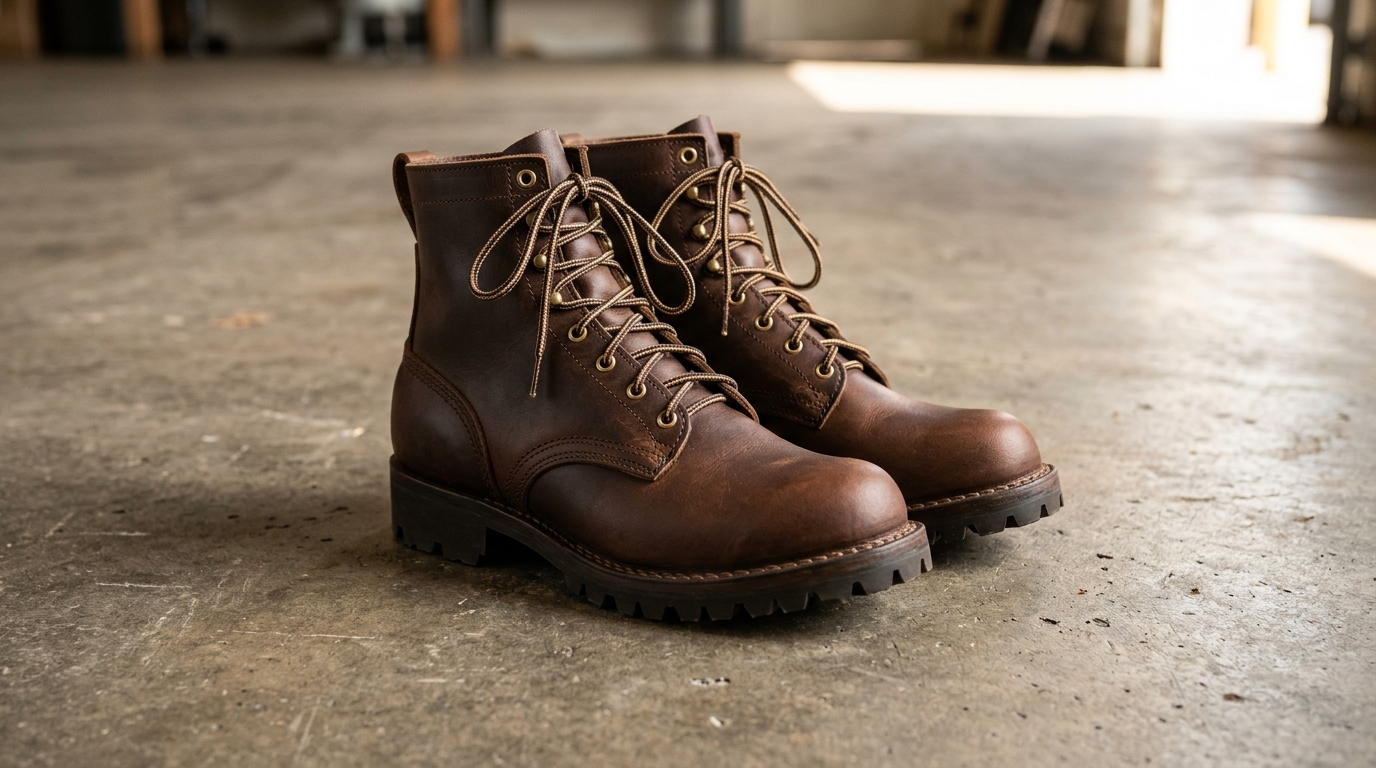
If you have foot pain from standing on concrete, the cause is usually the unforgiving surface itself: concrete does not absorb shock, so every step sends impact straight through your heels, arches, and joints. After hours on a hard floor, it is common to feel aching heels, sore arches, tired legs, and stiffness when you first move again. Supportive shoes, cushioned insoles, anti-fatigue mats where you can use them, and regular sitting and stretching breaks usually ease it a lot. But sharp pain, swelling, numbness, or pain that does not improve with rest deserves a medical check.
See a doctor promptly if you notice any of these:
- Sharp, stabbing heel pain, especially with your first steps in the morning
- Swelling, redness, or warmth in one foot, or pain after an injury or a fall
- Numbness, tingling, or weakness in the feet or legs
- Pain that keeps worsening, does not improve with rest, or changes how you walk
- Foot pain in someone with diabetes, poor circulation, or a history of foot problems
Why concrete is so hard on your feet
Concrete is one of the hardest surfaces you can stand on all day, and your feet notice the difference. Softer ground, like grass or a sprung gym floor, gives a little with each step and absorbs some of the impact. Concrete gives almost nothing back. That means your heels, arches, and the joints of your feet and legs absorb the full force of your body weight, hour after hour, with very little cushioning to help them out.
Over a shift, that repeated impact adds up. The plantar fascia, the band of tissue along the bottom of your foot, gets stretched and irritated, the fat pads under your heels get compressed, and the muscles of your feet and calves tire from stabilising you on a flat, rigid surface. People who work on concrete often describe the same pattern: feet fine in the morning, heavy and aching by mid-afternoon, and stiff when they finally sit down.
Your footwear makes a huge difference on concrete. Flat, thin-soled shoes with no arch support leave your feet to do all the shock absorbing on their own. Standing still in one spot is often worse than walking, because walking shifts the load around, while standing still keeps pressure on the same tissues without a break. That explains why shoes that feel fine on carpet can feel brutal on a warehouse floor.
What helps foot pain on concrete
The single most effective change is usually footwear. Look for shoes with a cushioned midsole, a supportive arch, and a heel that is not completely flat. The American Academy of Orthopaedic Surgeons notes that supportive, well-fitting shoes are a cornerstone of managing foot pain, and for many people a cushioned insole or a custom orthotic adds the shock absorption that concrete refuses to provide. Try shoes on at the end of the day, when your feet are at their largest, and replace them when the cushioning flattens out — worn-out shoes on concrete are a recipe for sore feet.
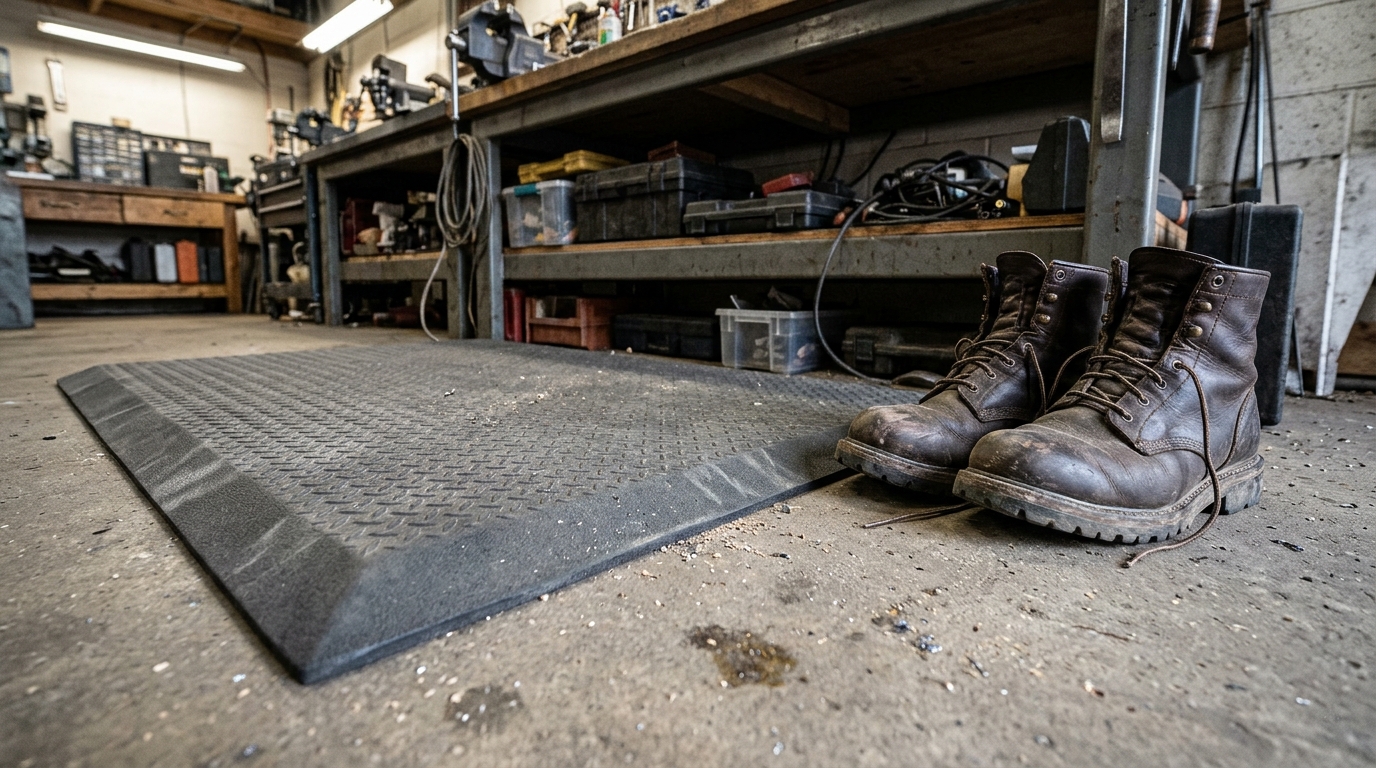
Where you stand matters too. If your job lets you use an anti-fatigue mat, use one. These mats give slightly underfoot, which encourages small shifts in posture and reduces the constant pressure on the same spots. The Mayo Clinic and the Cleveland Clinic both describe rest, ice, and stretching as standard first steps for heel and arch pain, and those apply here as well: a cold pack on sore heels after a shift, gentle calf stretches, and rolling a tennis ball under the arch can ease the end-of-day ache.
Movement breaks are just as important as equipment. Do not stand in exactly one spot for hours: shift your weight, rise onto your toes a few times, take short walking breaks, and sit down during breaks rather than standing through them. A quick calf and sole stretch a few times per shift keeps tissues from stiffening up.
Finally, pay attention to pain that does not follow the usual pattern. Ordinary concrete soreness should ease with rest and better shoes. Sharp, one-sided, or swollen pain, pain with numbness, and heel pain worst with your first steps in the morning — a classic plantar fasciitis pattern, per the Cleveland Clinic — all benefit from a proper assessment, not just tougher insoles.
A daily routine for concrete-floor days
Before your shift, stretch your calves and soles for a few minutes, put on supportive shoes with fresh insoles, and make sure your socks are clean and well-fitting so they do not bunch or rub.
During the shift, shift your weight often, use an anti-fatigue mat if one is available, and take sitting breaks when you can. A quick calf stretch or a few toe raises every hour or two keeps your feet from stiffening up.
After your shift, rest with your feet up, ice sore heels for 15 to 20 minutes if they ache, and do a gentle stretch before bed. If pain, swelling, or numbness is still there in the morning, or it keeps coming back shift after shift, book a check rather than just buying another pair of insoles.
Frequently asked questions
Why do my feet hurt more on concrete than on other floors?
Concrete barely absorbs any shock, so your heels, arches, and joints take the full impact of every step and every hour of standing. Softer surfaces share that load. That is why the same shoes can feel fine indoors on carpet and punishing on a concrete warehouse floor.
Are anti-fatigue mats worth it?
For most people standing in one spot, yes. The slight give of the mat encourages tiny posture shifts and reduces constant pressure on the same tissues. They work best combined with supportive shoes, not as a replacement for them.
What shoes are best for standing on concrete all day?
Look for cushioned midsoles, good arch support, a stable heel, and a fit that leaves room for your toes. Cushioned insoles or orthotics can add shock absorption. Avoid completely flat, thin-soled shoes, and replace shoes once the cushioning has flattened.
When should I see a doctor about concrete-floor foot pain?
See a doctor if pain is sharp, one-sided, swollen, or paired with numbness or tingling, or if it does not improve with rest and better footwear. Heel pain that is worst with your first steps in the morning is also worth getting assessed, since it may be plantar fasciitis.
Can standing on concrete cause permanent damage?
Standing on concrete alone does not usually cause permanent damage in healthy feet, but months of untreated pain can lead to ongoing problems like plantar fasciitis or stress injuries. That is why persistent pain deserves attention early, while rest, footwear changes, and treatment can still sort it out.
Related reading: Foot Pain After Sitting All Day and Plantar Fasciitis Stretches.
Sources
- Mayo Clinic — Plantar Fasciitis: Symptoms and Causes
- Cleveland Clinic — Plantar Fasciitis: Treatment and Prevention
- American Academy of Orthopaedic Surgeons — Plantar Fasciitis and Foot Pain
- NHS — Foot Pain: Causes and Self-Care
This article is for information only and is not medical advice. If your foot pain is sharp, swollen, numb, or does not improve with rest and supportive footwear, talk to a healthcare professional rather than relying on self-care alone.