Quick Answer: Foot pain from walking on wet grass usually comes from slippery, soft ground. Your toes grip to stop you sliding, your ankles wobble on uneven turf, and bare feet get cold, damp, and blistered. Supportive shoes with good grip, shorter steps, and drying your feet properly afterward usually fix it — and most soreness fades within a day or two.
See a doctor promptly if you notice:
- Sharp or severe pain in the heel, arch, or one spot
- Swelling, redness, or warmth that doesn’t settle after a day or two
- Numbness, tingling, or a burning feeling in your feet or toes
- Pain that makes walking or putting weight on your foot difficult
- A wound, sore, or blister that won’t heal — especially if you have diabetes
Why Wet Grass Is Harder on Your Feet Than It Looks
Wet grass looks soft and harmless, but it’s one of the trickiest surfaces to walk on. Water sits between your shoe and the ground, so every step has less grip than you expect. Your body knows it — your toes curl and grip, your ankles stiffen, and your stride shortens as you brace against a slide that might never come. All that extra work adds up fast.
The ground underneath is uneven too. Lawns hide dips, roots, and soft patches, and wet soil gives way under your weight in ways dry ground doesn’t. One foot sinks deeper than the other, your ankle rolls, and your arch catches the difference. A morning’s walk across a dewy field can leave your feet aching like you’ve been hiking.
Then there’s the wet itself. Damp grass soaks through thin shoes in minutes, softening your skin and making blisters far more likely. Cold, wet feet also tighten up — muscles and tendons work less smoothly when chilled. That’s why foot pain from walking on wet grass often shows up as aching arches, sore toes, and tender spots you can’t quite pin down — and if you usually walk barefoot outdoors, our guide to foot pain walking barefoot covers what unprotected feet go through on natural ground.
What It Is: The Most Common Causes
Overuse soreness is the most common cause. Your toes grip hard with every step to stop you slipping, and muscles you rarely use get tired quickly. The arches ache, the balls of your feet feel bruised, and your calves can tighten up from the constant bracing.
Blisters come next. Wet skin is soft skin, and soft skin rubs raw fast — between the toes, on the heels, and anywhere a shoe seam presses. Walking barefoot is no safer: damp grass hides twigs, stones, and sharp edges, and wet skin cuts and blisters more easily than dry skin.
Ankle strain and plantar fascia irritation round out the picture. Every uneven step asks your ankle to correct itself, and the soft, shifting ground stretches the plantar fascia differently with each footfall. Smooth soles make it worse — your foot slides inside the shoe as well as on the grass. For the bigger picture, our guide to is barefoot walking bad for feet explains when barefoot walking helps and when it hurts.
What Helps: Walking Safely on Wet Grass
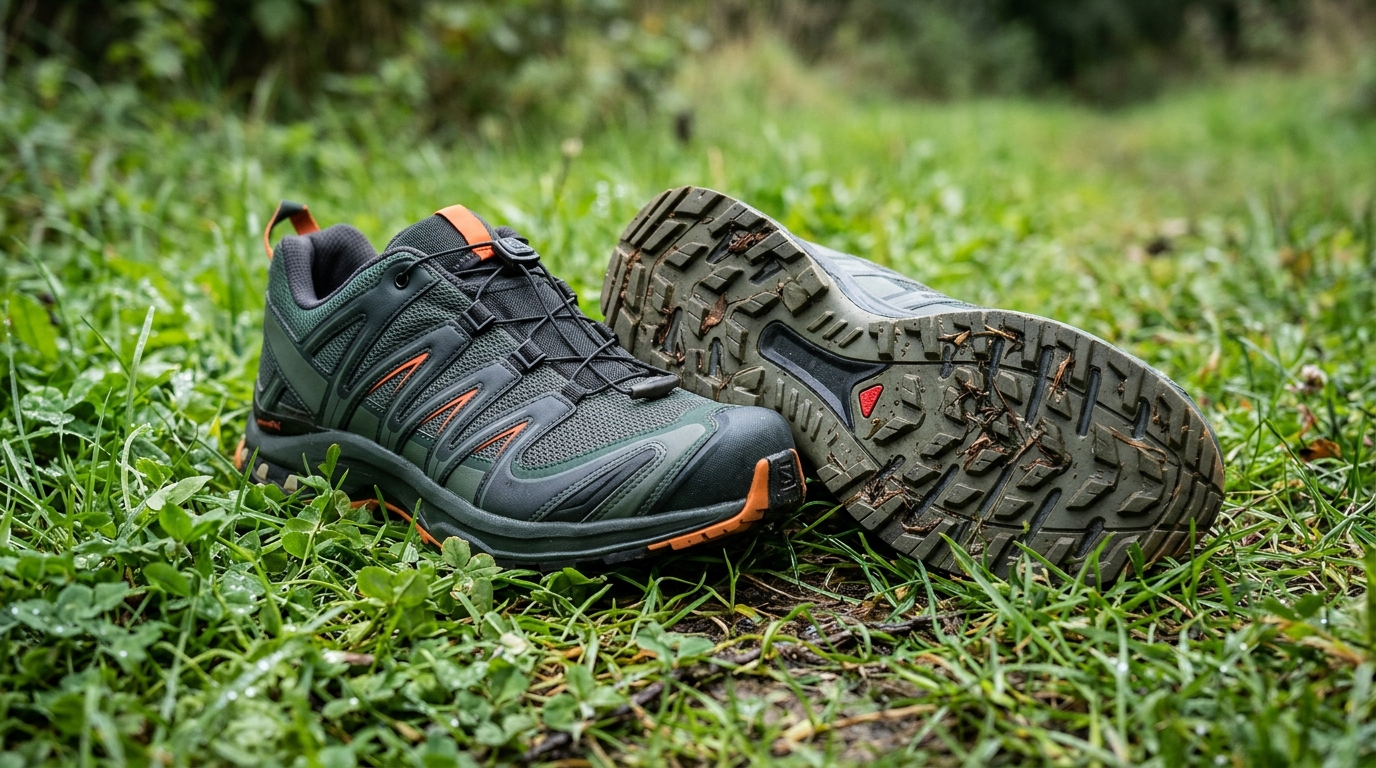
The biggest single change is your shoes. Wear shoes with a grippy, treaded sole — the kind with deep lugs you’d wear on a trail. Smooth soles slide on wet grass, and once your foot starts slipping, your toes and ankles pay for it. A supportive shoe also holds your foot steady when the ground gives way underneath.
Next, shorten your steps and slow down. Small, flat steps keep your weight over your feet instead of ahead of them, so a slip stays a wobble instead of a fall. Plant your whole foot rather than landing hard on your heel, and watch where you step — dips and soft patches are easier to avoid than to recover from.
If you walk barefoot on grass, keep it short and pick your ground. A familiar, flat lawn is one thing; a wet, uneven field with hidden sticks is another. Stop if your feet start to sting or your toes are gripping hard — that’s your feet telling you they’ve had enough.
What Helps: Recovery After Wet Grass
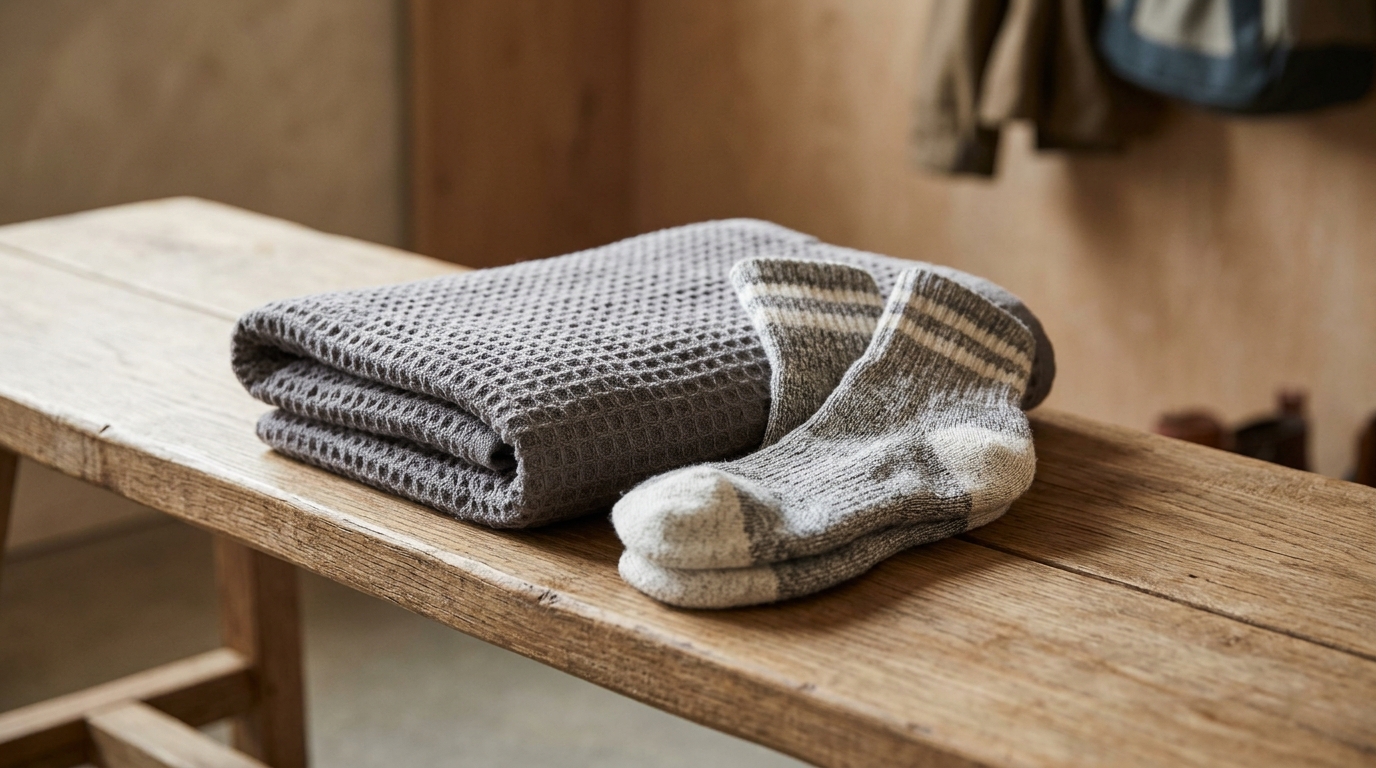
Once you’re back inside, dry your feet properly — between the toes, not just on top. Damp skin left to sit is how blisters and fungal infections get started. Change out of wet socks straight away, and let your shoes dry out before you wear them again.
Roll the bottom of each foot over a tennis ball for a few minutes to loosen tired arches, then stretch your calves against a wall: step one foot back, press the heel down, hold for thirty seconds a side. Tight calves make heel pain worse, and this habit helps a lot after a morning on soft ground.
Most wet-grass soreness fades within a day or two. If a blister forms, cover it with a clean plaster and leave it alone — don’t pop it.
Your Daily Routine for Happier Feet on Wet Grass
A routine that protects your feet whenever wet grass is underfoot:
- Wear grippy, treaded shoes: Deep lugs and real arch support — never smooth soles on wet grass.
- Take short, flat steps: Keep your weight over your feet and plant your whole foot.
- Watch the ground: Avoid dips, soft patches, and hidden sticks or stones.
- Dry your feet properly afterward: Between the toes, fresh dry socks, and air out your shoes.
- Roll and stretch every evening: A tennis-ball roll loosens tired arches after soft, uneven ground.
FAQs
Why do my feet hurt after walking on wet grass?
Wet grass is slippery and uneven, so your toes grip hard and your ankles wobble, and your feet work much harder than on dry ground. Wet skin also blisters more easily, and cold feet tighten up.
Is foot pain from walking on wet grass normal?
Yes — mild aching in the arches, toes, or balls of your feet after a long walk on wet grass is common. Sharp, one-sided, or persistent pain is not normal and should be checked.
Is it bad to walk barefoot on wet grass?
Short walks on a familiar flat lawn are usually fine, but wet grass hides twigs, stones, and sharp edges, and wet skin blisters and cuts more easily. Wear shoes if the ground is uneven or you’re out for a while.
What shoes are best for walking on wet grass?
Shoes with a grippy, treaded sole and real arch support — trail-style shoes work well. Avoid smooth soles, which slide, and thin shoes that soak through in minutes.
How do I stop my feet aching after wet grass?
Dry your feet properly, change out of wet socks, roll your arches over a tennis ball, and stretch your calves. Most soreness fades within a day or two.
Sources
- Mayo Clinic — plantar fasciitis causes and symptoms
- Cleveland Clinic — blisters, causes and prevention
- American Podiatric Medical Association — foot care and footwear guidance
This article is for general information only and is not medical advice. Talk to your doctor or a podiatrist about your own feet.