
Quick answer: Plantar fasciitis is irritation of the thick band of tissue (the plantar fascia) that runs along the sole of your foot from heel to toes. It usually causes sharp heel pain with your first steps in the morning. Most cases improve with simple home care — stretching, supportive footwear, ice and rest from aggravating activity — over several weeks. It rarely needs surgery.
⚠️ When to see a doctor: See a clinician promptly if you have diabetes, poor circulation or reduced feeling in your feet; if there is redness, swelling, warmth or an open wound; if the pain followed an injury or you cannot bear weight; or if heel pain has not improved after 2–3 weeks of consistent home care. This guide is educational and is not medical advice.
What is plantar fasciitis?
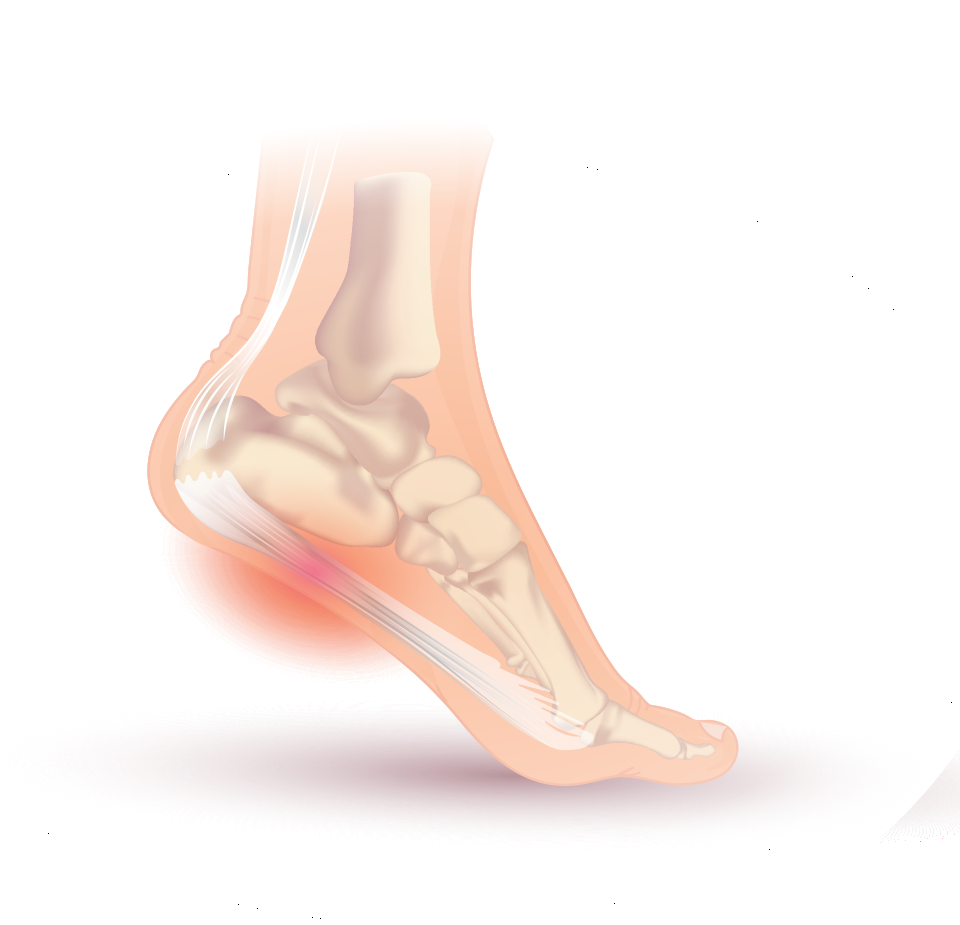
The plantar fascia is a strong, fibrous band that connects your heel bone to the base of your toes. It supports the arch of your foot and acts like a shock absorber every time you walk or run. When the fascia is overloaded — too much tension, too many steps on hard floors, a sudden increase in activity — tiny areas of irritation can develop, most often where the fascia attaches to the heel. The result is plantar fasciitis, one of the most common causes of heel pain, according to Mayo Clinic.
The classic pattern is a sharp, stabbing pain in the bottom of the foot near the heel, worst with the first few steps in the morning or after sitting for a long time. The pain usually eases as you move around, then may return after long periods of standing.
Who gets it — and why
Plantar fasciitis can affect anyone, but it is more common in runners, people carrying extra weight, and people whose jobs keep them on their feet all day. Other well-recognised risk factors include:
- Flat feet or high arches, which change how load passes through the fascia
- Tight calf muscles or a tight Achilles tendon
- A sudden jump in walking, running or standing volume
- Worn-out or unsupportive shoes, especially on hard surfaces
- Long shifts on concrete or tile floors — nurses, retail, warehouse and hospitality workers are classic cases
What actually helps (in the order to try it)
The good news: plantar fasciitis is highly treatable, and early, consistent care makes it much more manageable. Work through these steps in order — most people need only the first four.
1. Stretch the fascia and calves, daily
Stretching is the foundation of home care. Mayo Clinic Health System notes patients are given stretches that reduce tension on the plantar fascia and help with healing, and that tight calf muscles often play a role in heel pain. Two stretches cover most people:
- Towel stretch before your first steps: loop a towel around the ball of your foot in bed and gently pull your toes toward you for 30 seconds. Repeat 3 times on each foot.
- Wall calf stretch: hands on a wall, sore foot back with heel on the floor, lean in until you feel a stretch. Hold 30 seconds, repeat 3 times, twice a day.
Our Remedies hub collects the full stretching routines and home-care guides in one place.
2. Support the arch — shoes and insoles
Walk barefoot on hard floors as little as possible while your heel settles. Choose shoes with a cushioned sole and real arch support, and replace worn-out pairs. A quality over-the-counter insole reduces strain on the fascia for many people — we compared the leading options in our roundup of the best insoles for plantar fasciitis. Cleveland Clinic likewise lists shoe inserts and arch supports among the standard first-line options specialists recommend.
3. Ice after activity
Roll your foot over a frozen water bottle for 10–15 minutes after a long day or a workout. It is a simple way to calm an irritated heel. Stop if it increases pain, and never apply ice directly for long periods on skin with poor sensation.
4. Dial back the aggravators (temporarily)
Pain is a signal. Swap running and high-impact exercise for cycling or swimming for a few weeks, build rest breaks into long shifts, and avoid sudden spikes in step count. The goal is to reduce load while you stretch and strengthen — not to stop moving altogether.
5. Night splints, if mornings are brutal
A night splint holds your foot in a gentle stretch while you sleep, which may reduce the shock of the first morning steps. Cleveland Clinic lists night splints among the non-surgical treatments specialists use to reduce tightness. They take a few nights to get used to — start with a few hours in the evening.
6. Over-the-counter pain relief — used carefully
Short-term use of an anti-inflammatory such as ibuprofen may help some people; Cleveland Clinic includes anti-inflammatory medication among the standard options. Follow the label, and check with a pharmacist or clinician first if you have stomach, kidney, heart or blood-pressure issues or take other medication.
A simple 2-week starter routine
- Before getting out of bed: towel stretch, 3 × 30 seconds each foot.
- Morning: supportive shoes or insoles from your first steps — no barefoot trips across hard floors.
- Midday: wall calf stretch, 3 × 30 seconds.
- Evening: frozen bottle roll, 10–15 minutes; calf stretch again.
- Through the day: swap high-impact exercise for low-impact, and sit when you can on long shifts.
Reassess after two weeks. Steady improvement — even slow — is a good sign. No change at all after 2–3 weeks of doing this consistently is your cue to get checked in person. Not sure whether your pattern matches plantar fasciitis? Take our 3-question Foot Pain Quiz.
What about heel spurs?
Heel spurs — small bony growths on the heel bone — often show up on X-rays of people with plantar fasciitis, but they are usually not the source of the pain; the irritated fascia is. That is why treatment focuses on the fascia, and why most people improve without any procedure on the spur itself.
Frequently asked questions
How long does plantar fasciitis take to heal?
It varies. Many people feel meaningful improvement within a few weeks of consistent stretching, supportive footwear and load management; full recovery can take a few months. Healing can be slow and requires perseverance — most people improve with basic care or physical therapy.
Why does it hurt most in the morning?
Overnight, your foot rests with the fascia in a shortened position. The first steps suddenly stretch the irritated tissue, which is why the pain spikes and then eases as you move. We explain the mechanism in detail in Why Your Heel Hurts in the Morning.
Should I stop exercising completely?
Usually not. Reduce the activities that flare your heel — running, jumping, long hikes — and switch to low-impact options like cycling or swimming while you rehab. Avoid activities that make the pain worse rather than stopping movement entirely.
Do insoles actually help?
For many people, yes — a supportive insole reduces strain on the fascia during the thousands of steps you take each day. Prefabricated insoles help most people; custom orthotics are usually reserved for cases that do not improve. See our insoles roundup for who each type suits.
When is surgery considered?
Rarely, and only after many months of consistent non-surgical care have not helped. Cleveland Clinic notes surgery is rare and typically considered after about a year without relief. Almost everyone improves without it.
Sources
- Mayo Clinic — Plantar fasciitis: Symptoms and causes
- Mayo Clinic Health System — Self-care tips for plantar fasciitis
- Cleveland Clinic — Plantar fasciitis treatment
Educational only — not medical advice. Footcarely content is researched against published clinical guidance; see our Medical Disclaimer and How We Review pages.