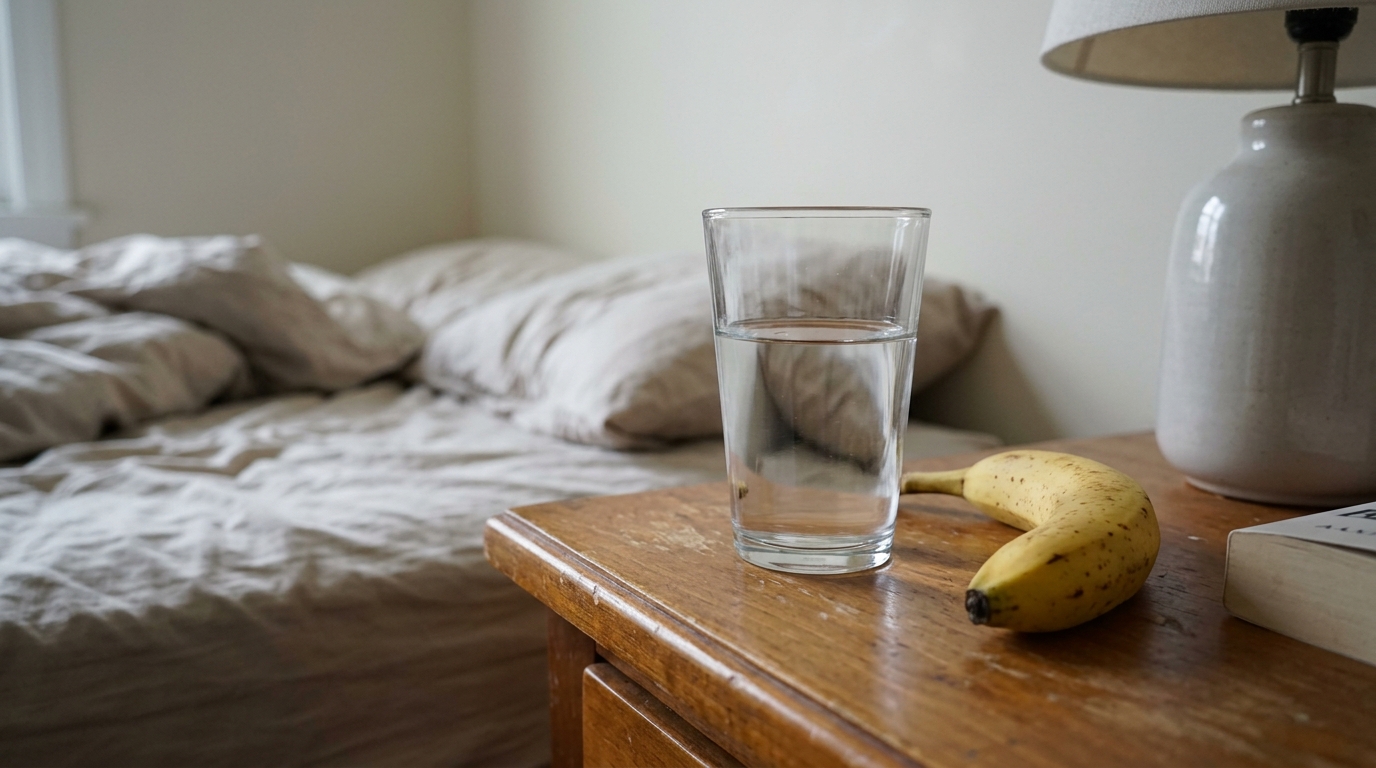
Night leg cramps causes are usually simple: a sudden, painful tightening of a calf or foot muscle that wakes you from sleep. The muscle goes hard, the pain is sharp, and it can last anywhere from a few seconds to ten minutes. Night leg cramps causes most often include dehydration, overworking the muscles during the day, sitting or lying in an awkward position, and medicines such as diuretics and statins. They are very common — about half of adults over fifty get them regularly — and usually harmless. Stretching the muscle gently, massaging it, and standing on the affected leg usually stop a cramp within a minute or two. If cramps are frequent, severe, or come with swelling or skin changes, get checked by a doctor.
See a doctor promptly if you notice any of these:
- Cramps in one leg only, with swelling, redness, or warmth in the calf
- Cramps that are frequent, severe, or do not respond to stretching
- Muscle weakness, numbness, or skin changes in the legs
- Cramps that started after beginning a new medicine
- Chest pain or shortness of breath along with leg symptoms
Why cramps strike at night
A cramp is a muscle that contracts and refuses to let go. During the day, your muscles are moving constantly, which keeps blood flowing and the muscle’s chemistry in balance. At night, you lie still for hours. Blood flow slows, the muscles cool and shorten slightly, and the nerves that control them become more excitable. That combination is why cramps so often hit in the small hours — usually in the calf, sometimes in the foot or thigh.
Your sleeping position plays a part too. Lying with your toes pointed down — the classic position under a heavy blanket — shortens the calf muscle and makes a cramp more likely. People who sleep with their feet tucked in a pointed position get cramps more often than people who sleep with their feet in a neutral position.
Dehydration is one of the biggest contributors. Muscles need water and minerals like magnesium, potassium, and calcium to contract and relax properly. If you have not drunk enough during the day, or you have lost fluid through sweating, exercise, or a medicine that makes you pass more urine, the balance shifts and cramps become more likely. Overworked muscles are another common trigger: a long walk, a hard workout, or a day on your feet after weeks of sitting can all set you up for a cramp that night.
What stops a cramp fast
When a cramp hits, the first move is to stretch the muscle in the opposite direction. For a calf cramp, straighten your leg and pull your toes up toward your shin — gently, not forcefully. Hold the stretch for thirty seconds. Many people find it helps to stand up and put weight on the affected leg, pressing the foot flat on the floor. The pain often eases within a minute, though the muscle can feel sore and tender for hours afterward.
Massage helps too. Rub the hard, knotted muscle firmly with your hands, or roll it over a tennis ball. Heat relaxes the muscle — a warm towel, a heating pad, or a warm shower on the calf works well. Some people prefer cold, especially if the muscle feels inflamed; try both and use whichever gives you faster relief.
Do not fight the cramp by curling your toes or tensing against it. That shortens the muscle further and makes it worse. Breathe, stretch gently, and wait it out. Once the cramp releases, keep moving the leg gently for a few minutes and drink a glass of water before going back to sleep.
How to stop night cramps coming back
Prevention starts with hydration. Drink water regularly through the day rather than in one big evening gulp, and replace fluids after exercise or hot weather. A gentle calf stretch before bed — standing facing a wall, one foot behind the other, heel pressed to the floor — takes two minutes and reduces cramp frequency for many people. Keeping your bedding loose at the foot of the bed, so your toes are not forced into a pointed position, also helps.
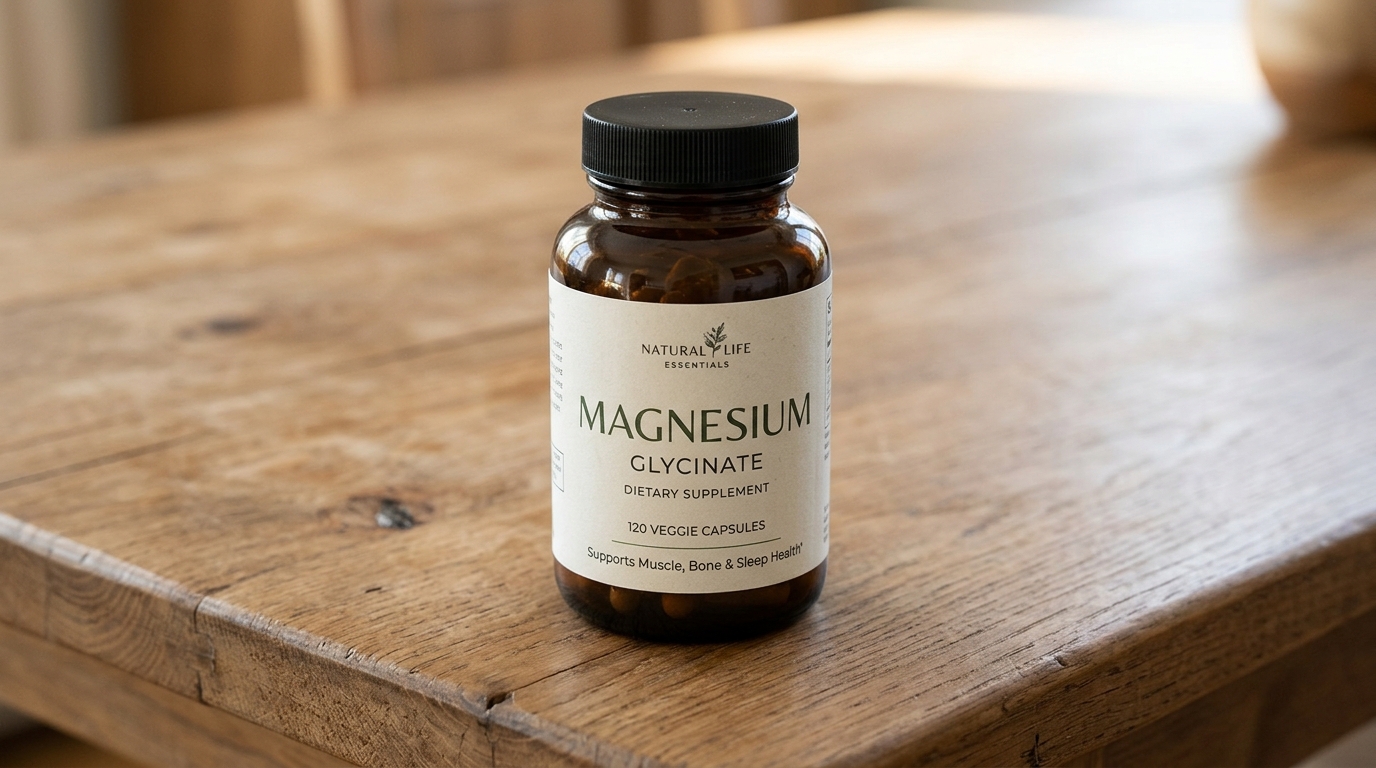
Check your medicines. Diuretics (water tablets), some statins, and asthma medicines are all known to increase cramps. Never stop a prescribed medicine on your own, but if cramps started soon after a new prescription, tell your doctor — a dose change or an alternative drug may fix the problem. The same goes for magnesium or potassium supplements: they help some people, but only take them after talking to your doctor, because they can interact with medicines and are unsafe in kidney disease.
Stay active during the day. Regular walking and gentle exercise keep the calf muscles supple and improve circulation, which lowers cramp frequency. If cramps are frequent despite these steps, or they come with swelling, skin changes, or weakness, your doctor may check for circulation problems, nerve damage, or a mineral imbalance. Most night cramps, though, are a nuisance rather than a danger — and a nightly stretch and a glass of water go a long way.
Frequently asked questions
What causes night leg cramps?
Night leg cramps causes are usually dehydration, muscle overuse, lying with the toes pointed, or medicines such as diuretics and statins. Lying still for hours slows blood flow and makes muscles more likely to seize up.
What is the fastest way to stop a leg cramp at night?
Straighten the leg and pull your toes up toward your shin, holding the stretch for about thirty seconds. Standing and putting weight on the leg, plus massaging the muscle, usually stops a cramp within a minute.
Does dehydration cause night leg cramps?
Yes. Muscles need water and minerals such as magnesium, potassium, and calcium to contract and relax normally. Not drinking enough during the day is one of the most common reasons cramps strike at night.
Can medicines cause night leg cramps?
Yes. Diuretics, some statins, and certain asthma medicines are known triggers. If cramps started after a new prescription, tell your doctor — do not stop the medicine on your own.
When should I see a doctor about leg cramps?
See a doctor if cramps are frequent or severe, affect only one leg with swelling or redness, come with weakness or numbness, or do not improve with stretching and hydration.
Sources
- Mayo Clinic — Muscle Cramp: Symptoms and Causes
- Cleveland Clinic — Leg Cramps at Night
- NHS — Leg Cramps
- American Academy of Orthopaedic Surgeons — Muscle Cramps
This article is for information only and is not medical advice. If your foot pain is severe, sudden, or not improving, talk to a healthcare professional for a proper diagnosis.