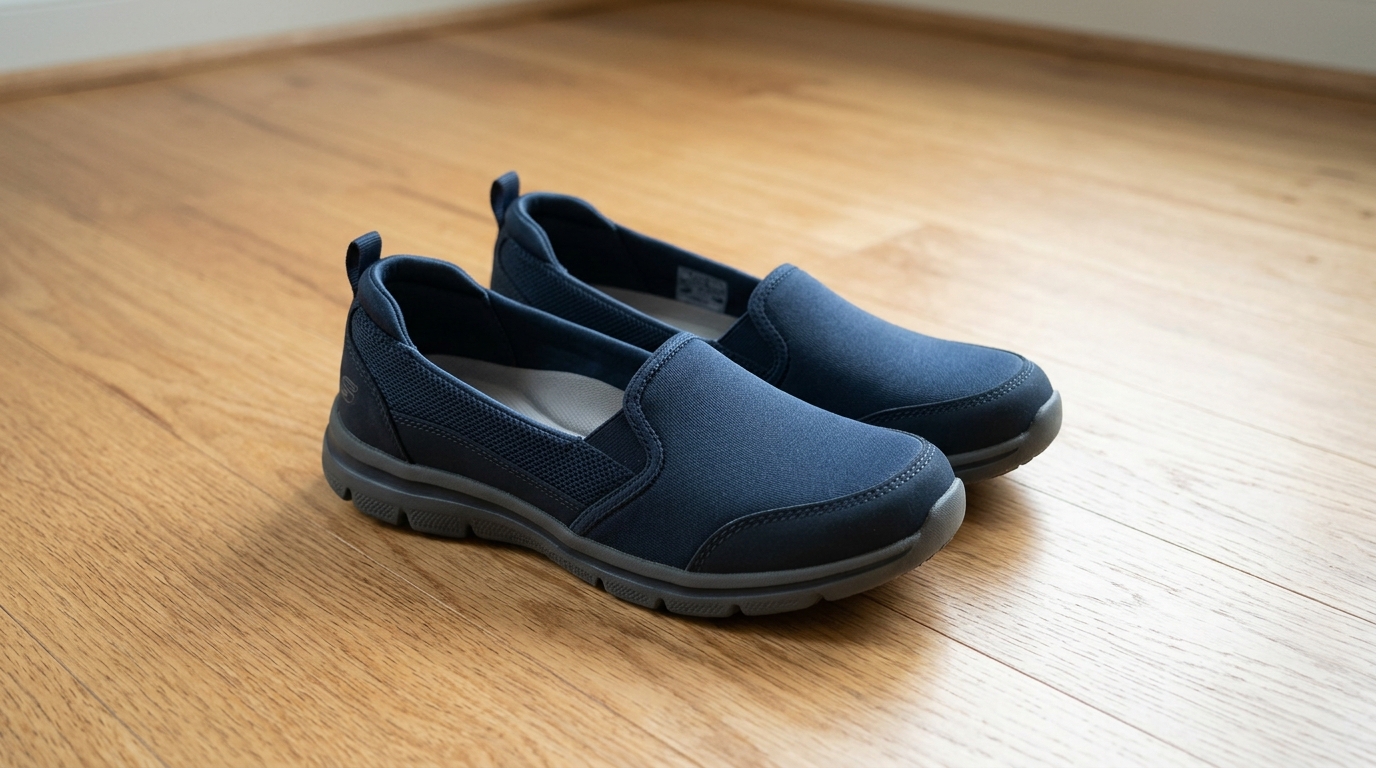
Can shoes cause back pain? Yes, they can. Your shoes set the foundation for your whole posture: they decide how your feet strike the ground, how your ankles and knees line up, and how your pelvis tilts — and all of that travels straight up your spine. Can shoes cause back pain in a way that matters? Research and clinical experience say yes, especially with high heels, completely flat unsupportive shoes, and worn-out trainers. The good news is that this is one of the easiest causes of back pain to fix. Supportive, well-fitting shoes with a small heel drop, good arch support, and cushioning under the heel often ease back pain within days. If back pain is severe, sudden, or comes with numbness or leg weakness, see a doctor promptly.
See a doctor promptly if you notice any of these:
- Back pain that is severe, sudden, or follows a fall
- Numbness, tingling, or weakness in the legs or feet
- Back pain with fever, unexplained weight loss, or bladder problems
- Pain that does not improve after a few weeks of better footwear
- Back pain that wakes you at night or is worse when lying down
How shoes change your posture
Stand up straight and feel how your weight sits over your feet. Now imagine tipping your heels up by a few inches. Your weight shifts forward, your lower back arches more to compensate, and the muscles along your spine work harder to keep you upright. That is what high heels do all day, every day. Studies using motion analysis show that high heels increase the curve in the lower back (lumbar lordosis) and change the way the pelvis tilts, which loads the small joints of the spine and the muscles around them.
Completely flat shoes cause the opposite problem. With no heel and no arch support, your foot tends to roll inward (overpronation), your knees turn in, and your pelvis tilts forward. That chain reaction travels up the legs to the lower back. Cheap flat shoes, flip-flops, and worn-out trainers with collapsed heels are classic culprits. The shoe does not need to be fashionable to cause trouble — it just needs to be unsupportive.
Worn-out shoes are a hidden cause too. A trainer that was supportive when new loses its cushioning and structure after hundreds of miles. One heel wears down more than the other, the shoe tilts, and your gait becomes uneven. That asymmetry makes one side of your back work harder than the other, which is a common recipe for one-sided lower back pain. If your shoes lean to one side when you set them on a flat surface, they are done.
Which shoes are the worst offenders
High heels top the list. Heels over two inches shift your center of gravity forward, force your lower back into a deeper arch, and shorten your calf muscles over time. Wearing them occasionally for a few hours is usually fine, but wearing them all day, every day, is a well-known contributor to lower back pain. Platform shoes and very high wedges cause the same problem.
Flip-flops and thin ballet flats come next. They offer no arch support, no heel cushioning, and no stability, so your foot has to grip with the toes to keep them on. That gripping changes your gait — shorter steps, less natural foot roll — and the extra work travels up to your knees, hips, and back. They are fine for the beach, not for a day of walking.
Finally, watch out for shoes that are simply the wrong size or shape for your feet. Shoes that are too tight squeeze the forefoot and change how you walk; shoes that are too loose let your foot slide around, so you grip and compensate. And if you have flat feet or high arches, a generic shoe may not give you the support your foot shape needs — that is where a proper fitting or an insole can help.
What to wear instead
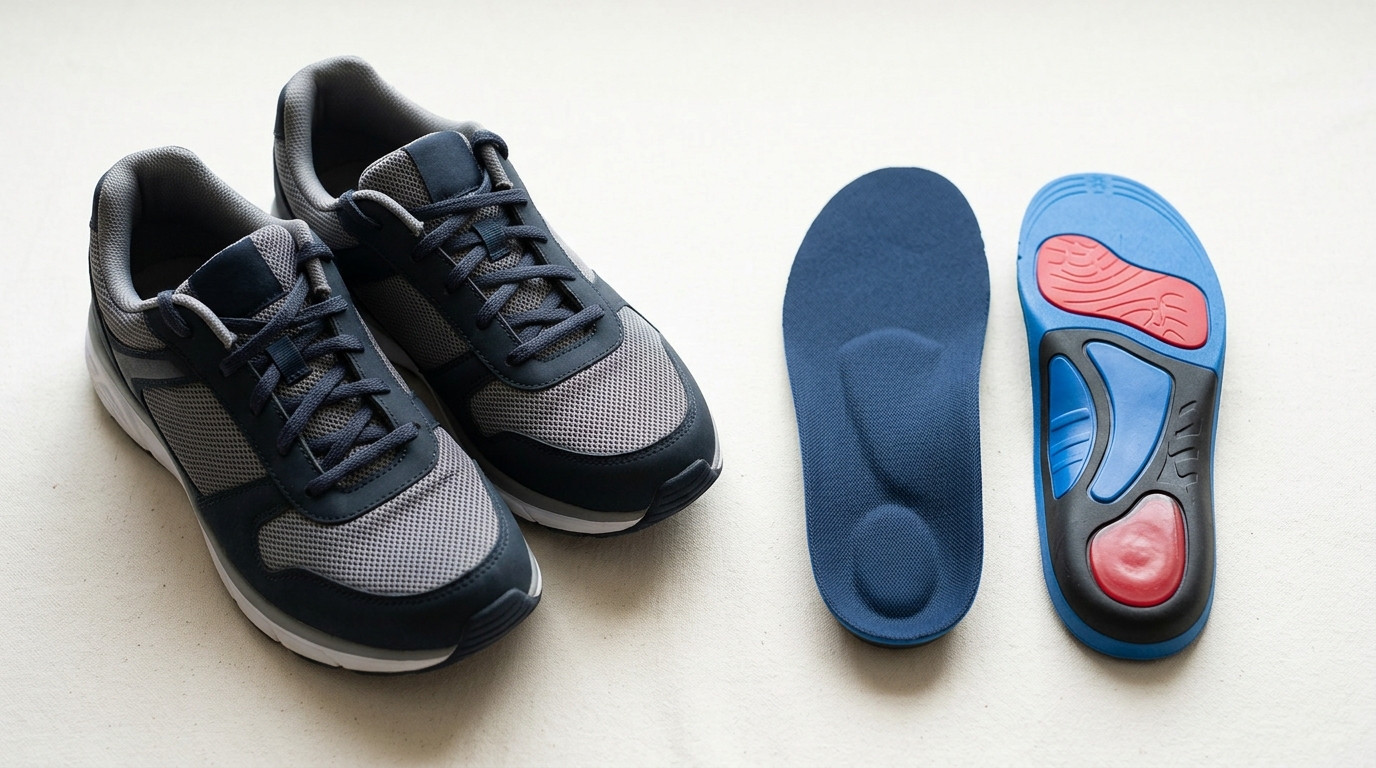
Look for shoes with a small heel — about one to two centimeters — which keeps your foot in a more natural position than a completely flat sole. Good arch support matters, especially if your feet roll inward. A firm heel counter (the stiff cup around the back of the heel) keeps the foot stable, and cushioning under the heel absorbs the shock of each step before it reaches your spine.
Replace your shoes on time. Running shoes generally last 300 to 500 miles; everyday shoes last about a year of regular wear. Check the tread and the heel: if one side is worn down, or the shoe rocks when you set it down, replace it. Rotate two pairs if you can, so each pair has time to recover its shape between wears.
Consider insoles if your feet need extra help. Over-the-counter arch supports work well for many people, and a podiatrist can make custom orthotics if you have flat feet, high arches, or one leg slightly longer than the other. And remember: shoes are only part of the picture. If back pain persists after a few weeks in better footwear, or if it comes with numbness or weakness, get it checked — the cause may be in the spine itself, not the shoes.
Frequently asked questions
Can shoes cause back pain?
Yes. Can shoes cause back pain through posture? Absolutely — high heels, flat unsupportive shoes, and worn-out trainers change how your feet, knees, and pelvis line up, and that strain travels up to your lower back.
Are high heels bad for your back?
Yes, when worn for long periods. Heels over two inches shift your weight forward, deepen the curve in your lower back, and shorten your calf muscles, which increases strain on the spine.
Can flat shoes cause back pain?
Yes. Completely flat shoes with no arch support let the foot roll inward, which tilts the pelvis and strains the lower back. Shoes with a small heel and good arch support are usually better.
Do insoles help with back pain?
They can, especially if you have flat feet or high arches. Insoles support the foot and correct the alignment chain from foot to spine. A podiatrist can advise on the right type for you.
How long does it take for back pain to improve after changing shoes?
Many people notice an improvement within a few days to two weeks. If pain does not improve after a few weeks, or comes with numbness or weakness, see a doctor.
Sources
- Cleveland Clinic — Can Your Shoes Cause Back Pain?
- Mayo Clinic — Back Pain: Symptoms and Causes
- American Podiatric Medical Association — Footwear and Posture
- NHS — Back Pain: Causes and Treatment
This article is for information only and is not medical advice. If your foot pain is severe, sudden, or not improving, talk to a healthcare professional for a proper diagnosis.