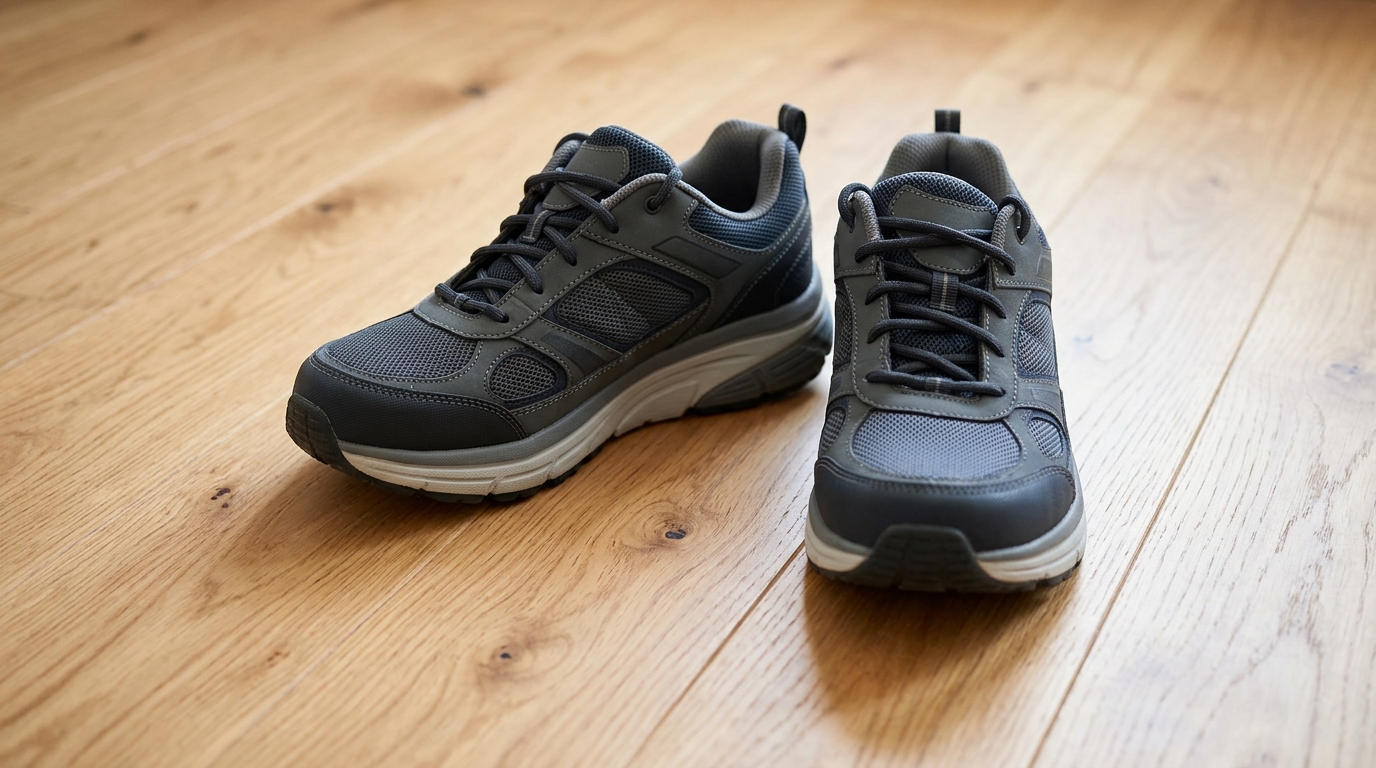
Foot pain overweight is a real and common connection. Your feet carry your entire body weight with every step, and extra weight multiplies the load on your arches, heels, and joints. Studies show that people carrying extra weight are significantly more likely to have foot pain, plantar fasciitis, and flat feet. Foot pain overweight problems are not your fault, and they are not something you just have to live with. Supportive shoes, cushioned insoles, gentle low-impact exercise, and gradual weight loss all reduce the load on your feet. If foot pain stops you from walking or exercising, see a doctor or podiatrist — treating the pain first makes everything else easier.
See a doctor promptly if you notice any of these:
- Foot pain that stops you walking, or pain that is getting worse over weeks
- Sudden swelling, redness, or heat in one foot
- Numbness, tingling, or burning in the feet
- A foot wound or sore that does not heal, especially with diabetes
- Pain after a fall or twist, or a foot that looks deformed
How extra weight affects your feet
Think of your feet as the foundation of a building. Every extra pound you carry is a pound your feet have to absorb — not once, but thousands of times a day. When you walk, each foot takes a force of roughly one and a half times your body weight with every step. Running multiplies that further. So even a modest amount of extra weight adds up to a huge extra load over a day of walking.
The first thing to suffer is usually the arch. The arch is a spring made of ligaments and tendons, and under a heavier load it flattens. That is why flat feet are more common in people with a higher body weight, and why arches that were fine for years can start to ache. A flattened arch changes how your foot moves: the ankle rolls inward, the heel tilts, and the tendons along the inside of the ankle work harder than they should. Over time that strain causes pain in the arch, the heel, and the inside of the ankle.
The heel takes a beating too. Plantar fasciitis — inflammation of the thick band of tissue along the bottom of the foot — is strongly linked to higher body weight. Research published in the journal Obesity Reviews found that people with obesity are significantly more likely to develop plantar fasciitis than people at a healthy weight. The extra load pulls on the plantar fascia with every step, causing tiny tears that never quite get a chance to heal. The result is that sharp, stabbing heel pain first thing in the morning.
What foot problems does extra weight cause
Beyond plantar fasciitis and flat feet, extra weight raises the risk of several other foot problems. Osteoarthritis in the feet and ankles is more common, because the joints wear down faster under a heavier load. Gout — a painful form of arthritis caused by uric acid crystals — is also linked to higher body weight. Swelling in the feet and ankles (edema) is more frequent, partly because extra weight makes it harder for blood to return from the legs, and partly because obesity is linked to conditions like high blood pressure and diabetes.
Diabetes deserves a special mention. Carrying extra weight is a major risk factor for type 2 diabetes, and diabetes damages the nerves and blood vessels in the feet. That combination — extra mechanical load plus nerve damage and poor circulation — is why people with diabetes and higher body weight face a much higher risk of foot ulcers and infections. Foot care becomes genuinely important, not optional.
There is also a practical problem: foot pain makes it harder to exercise, and less exercise makes weight loss harder. It is a cycle that traps a lot of people. The way out is to treat the foot pain first, so that movement becomes possible again. That is not cheating — it is the sensible order of operations.
What actually helps your feet
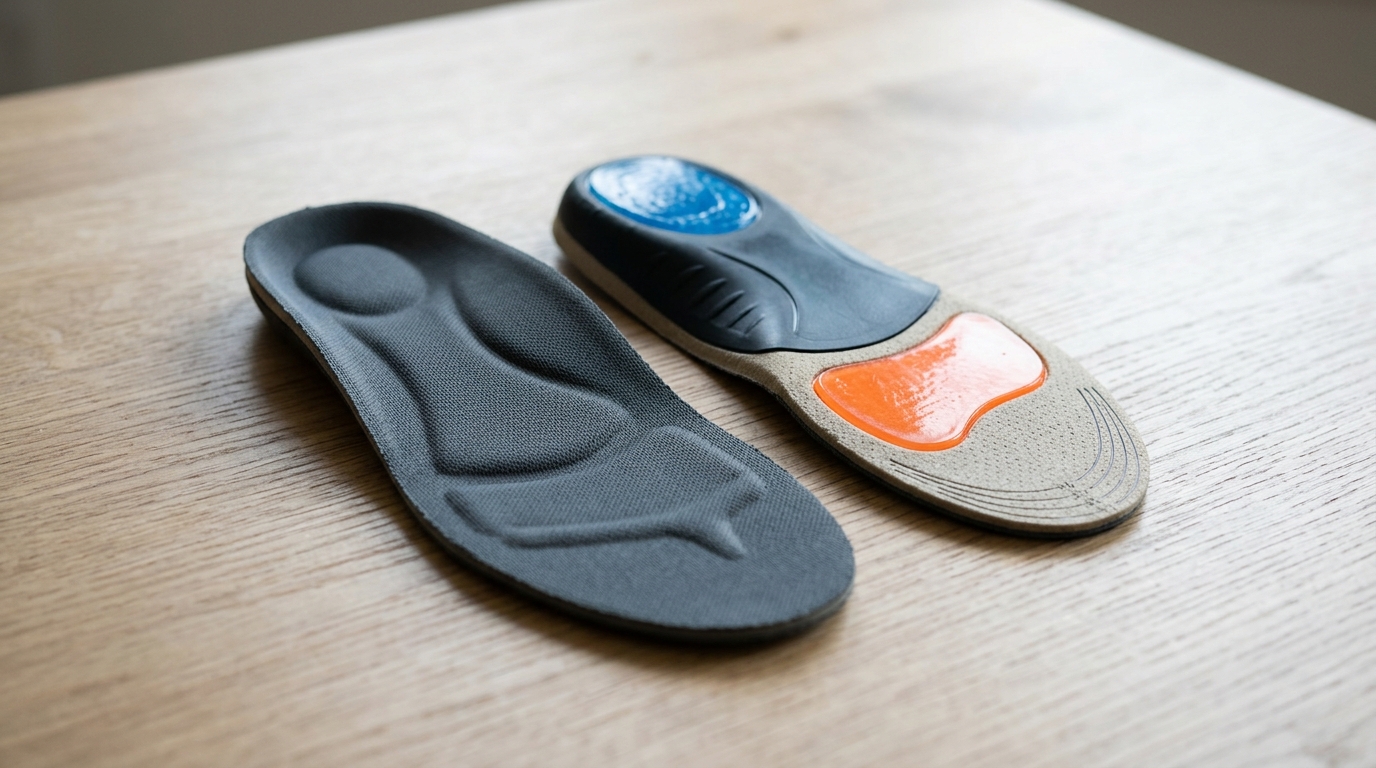
Start with your shoes. Supportive, well-cushioned shoes with a firm heel counter and good arch support make an immediate difference. Avoid flat, unsupportive shoes and worn-out trainers. A podiatrist can recommend over-the-counter insoles or custom orthotics that support your arches and spread the load more evenly across the foot. Many people find their foot pain drops noticeably within a couple of weeks of switching shoes.
Choose low-impact exercise. Walking on flat ground, swimming, cycling, and water aerobics strengthen your feet and legs without hammering your joints. Start small — ten minutes a day is fine — and build up gradually. Stretching your calves and the soles of your feet daily helps too: tight calves increase the load on the plantar fascia, and a simple wall stretch takes two minutes.
On weight loss itself, aim for slow and steady. Even losing five to ten percent of your body weight takes a meaningful load off your feet — research shows that each pound lost reduces the load on your knees by about four pounds with every step, and your feet benefit in the same way. You do not need a dramatic transformation to feel the difference. If foot pain is blocking you from moving, ask your doctor or a podiatrist for help first: pain relief, proper footwear, and a realistic activity plan make weight loss achievable rather than painful.
Frequently asked questions
Can being overweight cause foot pain?
Yes. Foot pain overweight problems are common because extra weight increases the load on your arches, heels, and joints with every step, raising the risk of plantar fasciitis, flat feet, and arthritis.
Does losing weight help foot pain?
Yes. Even losing five to ten percent of your body weight reduces the load on your feet significantly. Many people notice less heel and arch pain as their weight comes down.
What shoes are best if I am overweight and my feet hurt?
Supportive shoes with cushioning, a firm heel counter, and good arch support. Avoid flat shoes and worn-out trainers. A podiatrist can advise on insoles or custom orthotics.
Why do my feet swell when I carry extra weight?
Extra weight makes it harder for blood to return from the legs, and it is linked to conditions such as high blood pressure and diabetes that also cause swelling. Elevating your feet and walking regularly help.
Should I exercise if my feet hurt?
Yes, but choose low-impact exercise such as swimming, cycling, or walking on flat ground. Treat the foot pain first with proper shoes and support, then build up activity gradually.
Sources
- Obesity Reviews — Obesity and Foot Pain: A Systematic Review
- Cleveland Clinic — Plantar Fasciitis and Weight
- Mayo Clinic — Flatfeet: Symptoms and Causes
- NHS — Foot Pain and Obesity
This article is for information only and is not medical advice. If your foot pain is severe, sudden, or not improving, talk to a healthcare professional for a proper diagnosis.