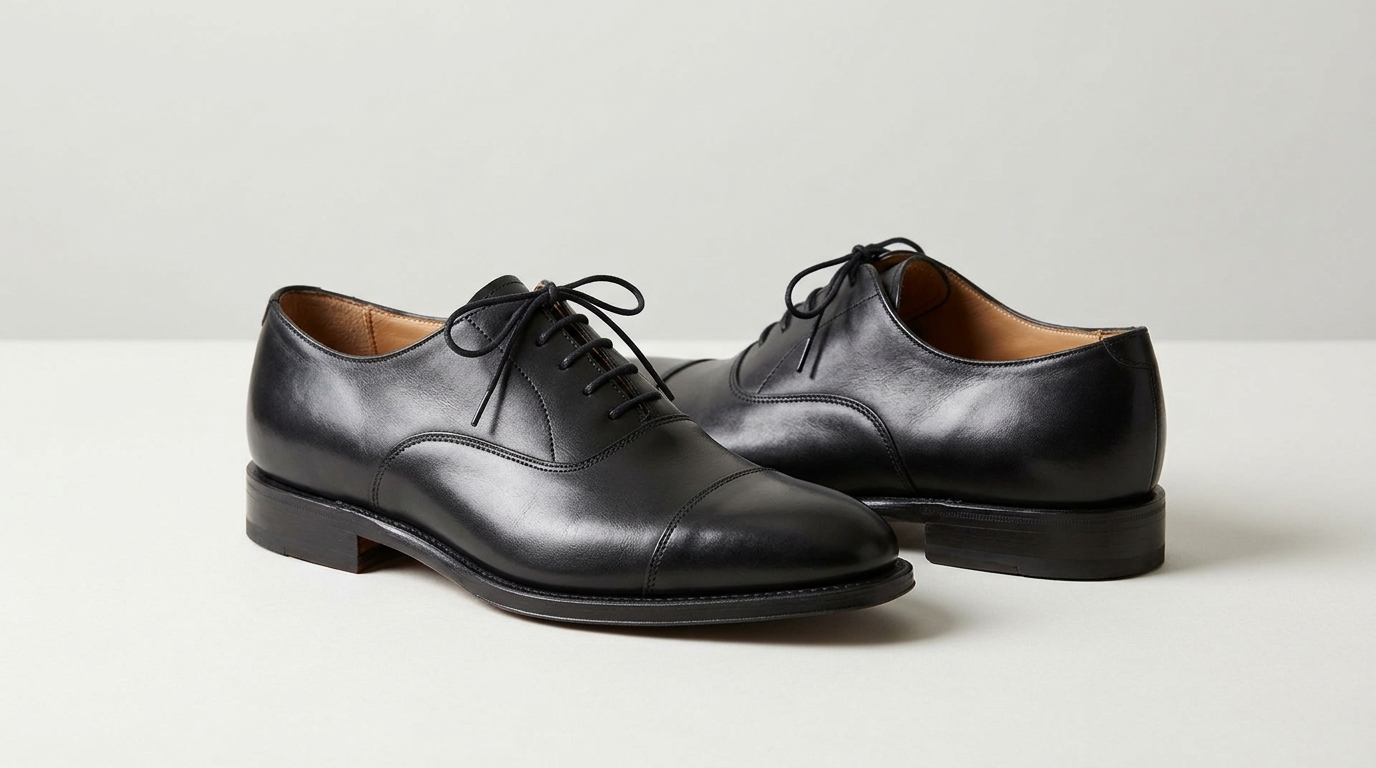
Foot pain from dress shoes is almost always a design problem, not a foot problem: narrow, pointed toe boxes squeeze the forefoot, high heels shift most of your weight onto the ball of the foot, and thin, hard soles offer no cushioning or arch support. The result is familiar to anyone who has spent a long day in formal shoes — aching balls of the feet, pinched toes, sore heels, and sometimes numbness or blisters. You do not have to give up dress shoes entirely to fix it. Choosing a wider toe box, a lower and broader heel, and adding a slim cushioned insole can make a dramatic difference, and rotating shoes, stretching, and giving your feet breaks all help. Pain that is sharp, persistent, or changes the shape of your toes deserves a proper check.
See a doctor promptly if you notice any of these:
- Sharp or sudden foot pain in or after dress shoes
- Numbness or tingling that does not fade after removing the shoes
- Toes that are visibly drifting, overlapping, or developing a bunion
- Pain that persists on days you do not wear dress shoes
- Open sores, blisters that keep reopening, or signs of infection
Why dress shoes hurt your feet
Dress shoes prioritise appearance over anatomy, and the foot pays for it. The classic pointed or narrow toe box forces the toes together, compressing the nerves and joints of the forefoot. Over time that pressure can cause bunions, hammertoes, corns, and Morton’s neuroma — a thickening of the nerve between the toes that causes burning pain and numbness. The squeeze is worse because dress shoes are often bought a touch too small, on the assumption they will stretch.
Heel height changes the whole mechanics of the foot. In flat shoes, weight is spread between the heel and the forefoot. In a heel of two inches or more, most of the load shifts to the ball of the foot, raising pressure there dramatically. The calf muscles shorten, the Achilles tendon tightens, and the ankle sits in a less stable position, which raises the risk of sprains. The American Academy of Orthopaedic Surgeons notes that high heels are linked to forefoot pain, bunions, and ankle instability, and recommends limiting heel height and time spent in heels.
Thin, hard soles are the third problem. A leather sole with no cushioning transmits every step’s impact straight into the heel and forefoot, and most dress shoes have no arch support at all. That combination leaves the plantar fascia and the metatarsals to absorb shock they were not designed to take alone, which is why the balls of the feet and the heels ache after a long day in formal shoes.
Finally, dress shoes are often worn for events that involve long periods of standing — weddings, conferences, long dinners — with no chance to sit or change shoes. Feet swell over the course of the day, so shoes that fit in the morning can become painfully tight by evening.
What helps foot pain from dress shoes
Start with the toe box. Choose dress shoes with a round or almond-shaped toe and enough width for your toes to lie flat without overlapping. A shoe that pinches in the shop will not become comfortable with wear, no matter how good the leather is. If you already own tight shoes, a cobbler can stretch them slightly, and gel toe spacers or metatarsal pads can relieve pressure on the ball of the foot.
Lower the heel and widen the base. A heel of one inch or less keeps weight distributed more evenly, and a broader heel is more stable than a stiletto. Block heels and wedges are usually kinder than narrow heels of the same height. If you must wear higher heels for an occasion, limit the time, sit when you can, and carry flats for the journey home. For related forefoot pain, see arthritis in feet symptoms.
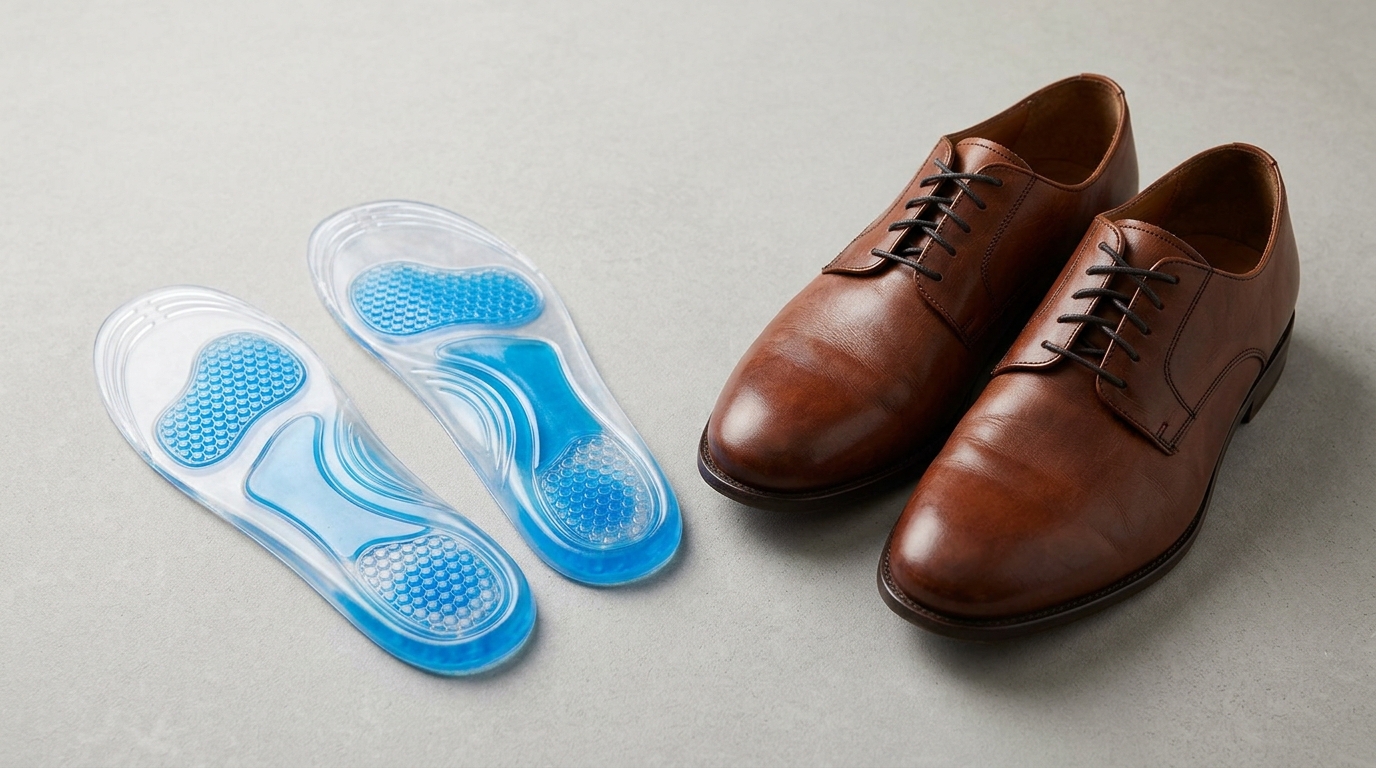
Add cushioning. Slim insoles designed for dress shoes add arch support and shock absorption without changing the fit much, and gel pads under the ball of the foot reduce forefoot pressure. Replace them regularly, since thin pads compress quickly. At home, stretch your calves and toes, roll the soles over a ball, and let your feet recover barefoot on a soft surface. For stretching guidance, see plantar fasciitis stretches.
Rotate and rest. Avoid wearing the same pair two days in a row so the shoes dry and regain shape, and give your feet a break from dress shoes whenever the occasion allows. If pain persists, or toes are changing shape, see a podiatrist: bunions, neuromas, and hammertoes are all treatable, especially when caught early.
A daily routine for dress-shoe feet
Before you put them on, check the fit with the socks or hosiery you will wear, add a slim insole or metatarsal pad, and carry a pair of flats for walking between venues.
During the day, sit and slip the shoes off when you can, wiggle your toes, and if your feet swell, loosen the shoes rather than enduring the squeeze.
Afterwards, stretch your calves and toes, roll your soles over a ball, and check for blisters or red spots. If pain lingers into the next day, consider a wider shoe or a podiatry visit.
Frequently asked questions
Do dress shoes cause bunions?
Tight, narrow shoes do not create bunions on their own, but they can worsen them and speed up their development, especially in people already prone to them.
What heel height is safest for feet?
A heel of one inch or less keeps weight distributed most evenly. Higher heels shift load to the forefoot and tighten the calf and Achilles tendon.
Can insoles help dress shoe pain?
Yes. Slim insoles and metatarsal pads add cushioning and arch support without changing the fit much, and they reduce pressure on the ball of the foot.
Should I buy dress shoes a size up?
Buy the size that fits your wider foot, measured standing at the end of the day, and prioritise width and toe-box room over length alone.
When should I see a doctor about dress shoe pain?
See a doctor if pain is sharp or persistent, if numbness does not fade, if your toes are changing shape, or if pain continues on days you wear comfortable shoes.
Sources
- American Academy of Orthopaedic Surgeons — High Heels and Foot Health
- Mayo Clinic — Bunions: Symptoms and Causes
- Cleveland Clinic — Morton’s Neuroma
This article is for information only and is not medical advice. If your foot pain is severe, sudden, or not improving, talk to a healthcare professional for a proper diagnosis.