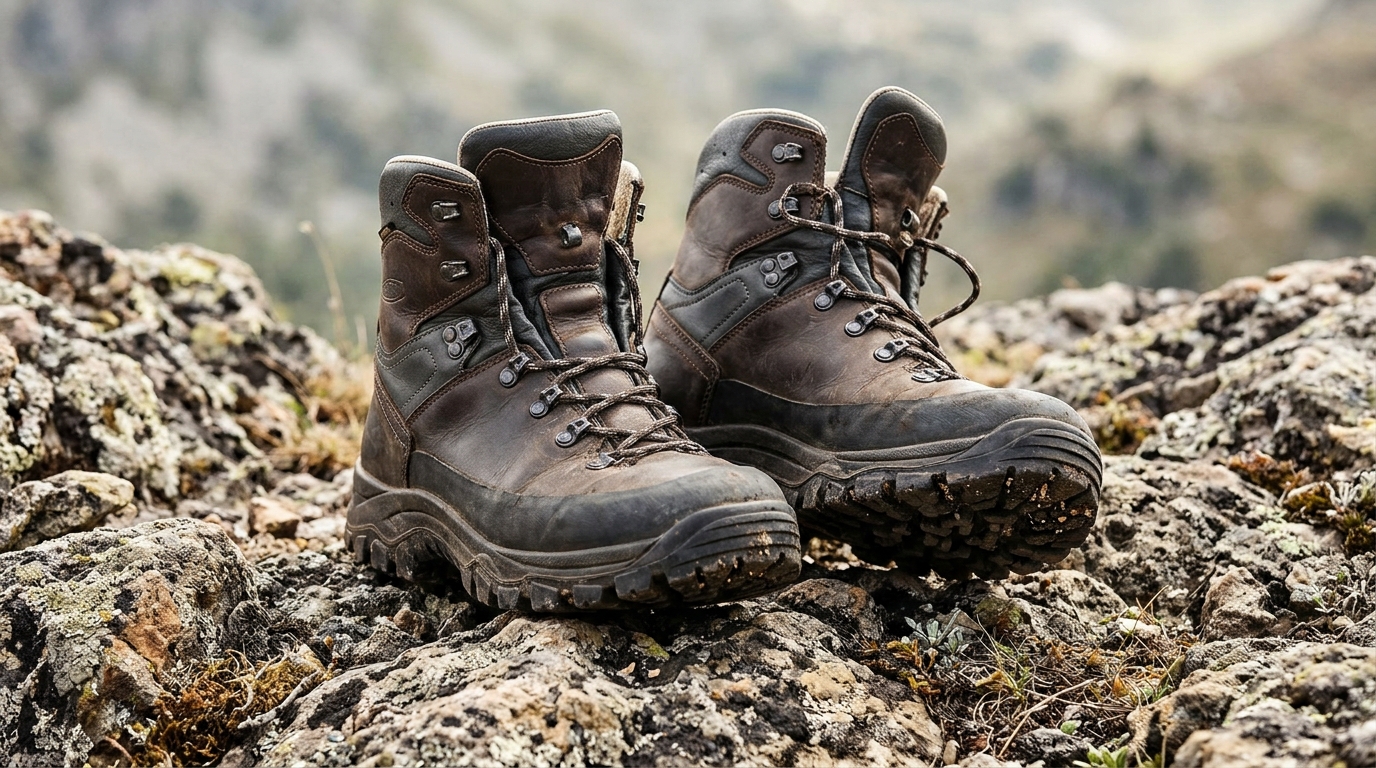
Quick Answer: Foot pain from walking downhill usually comes from your feet sliding forward inside your shoes, which jams your toes against the front and overloads the forefoot. Shorter steps, shoes with a secure heel fit and a roomy toe box, and poles on steep slopes can all help. If the pain is sharp, one-sided, or doesn’t fade after a few days of rest, get it checked.
See a doctor promptly if you notice:
- Sharp or severe pain that makes it hard to walk or bear weight
- A toenail that is black, lifting, or bleeding after a downhill walk
- Swelling, numbness, or tingling that doesn’t fade after a day or two
- Pain in one specific spot on a bone, especially after a trip or stumble
- Pain that keeps coming back on every downhill stretch, even with rest
Why Downhill Walking Hurts Your Feet
Walking downhill feels easier than walking uphill — your legs don’t work as hard, and your breathing stays calm. But your feet tell a different story. Every step downhill sends your body weight forward, and your feet have to brake that momentum with each landing. Your toes press into the front of your shoes, your forefoot takes extra load, and the small muscles in your feet work overtime to keep you steady.
What It Is: The Most Common Causes
The most common cause is toe crowding. As your feet slide forward inside your shoes, your toes hit the front of the shoe again and again. Over a long descent, that repeated pressure can cause black toenails, bruised toes, and soreness across the front of the foot. It’s one of the classic complaints of hikers coming down a mountain, and it can happen on a steep city street just as easily.
Forefoot overload is the other big one. Walking downhill puts more of your weight on the balls of your feet, which can irritate the metatarsals — the long bones behind your toes — and the soft tissue around them. If you already have a condition like metatarsalgia or a Morton’s neuroma, a long downhill stretch can bring it on fast, with a burning or aching feeling under the forefoot that lingers after you stop.
Downhill walking can also flare up plantar fasciitis. The plantar fascia, the band of tissue along the bottom of your foot, takes more strain when your heel strikes hard and your foot rolls forward on a slope. If your heel or arch pain regularly shows up on descents, our guide to plantar fasciitis stretches covers the stretches that can help.
Sometimes the problem is simply your shoes. Shoes that are a little too big let your feet slide too far forward. Shoes that are too small pinch your toes from the start and only get worse downhill. And worn-out cushioning, especially in the forefoot, passes more impact straight into your feet. If you notice your feet hurt mainly on descents and not on flat walks, your shoes are worth a close look — much like the pain new shoes can cause when the fit isn’t right.
What Helps: During the Walk
The single most useful trick is to take shorter steps. Long strides on a downhill send more force into your feet with each landing, while short, quick steps keep the impact small and your weight more centered. It feels slower at first, but your feet will thank you by the bottom of the hill.
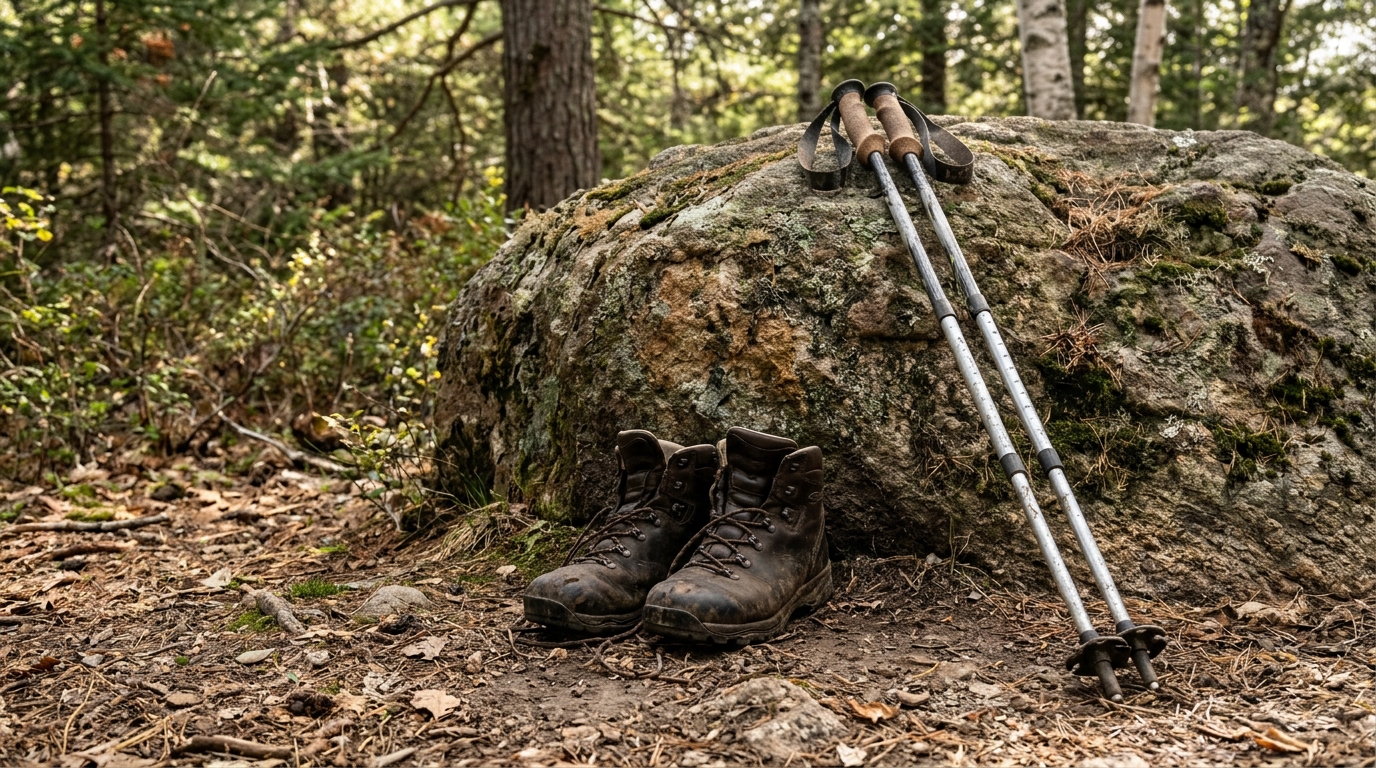
Trekking poles or even a single walking stick can make a real difference. They take some of your weight off your feet and give you extra stability, so your feet don’t have to do all the braking. The Cleveland Clinic notes that poles can reduce the load on your knees and feet during downhill walking, and many hikers find they cut foot soreness dramatically on long descents.
What Helps: Footwear and Fit
Your shoes need to fit differently for downhill walking than for a flat stroll. The key is a secure heel with room for your toes. A heel-lock lacing technique — threading the laces through the top eyelets to form a loop and pulling them snug — keeps your heel from lifting and your foot from sliding forward. It takes a minute to learn and it’s worth it.
Make sure there’s about a thumb’s width of space between your longest toe and the end of the shoe. If your toes touch the front when you’re standing flat, they’ll be crushed on a descent. Some people find that going up half a size for hiking shoes, and wearing them with proper walking socks, solves the problem entirely.
Your Recovery Routine
Here’s a simple routine for recovering after a downhill walk and preventing the same pain next time:
- Rest and ice: If your feet are sore after a descent, rest them for the rest of the day and ice the sore areas for 15 to 20 minutes at a time.
- Check your toes: Look at your toenails after a long downhill walk. A dark or tender toenail is a sign your shoes are too tight or your lacing needs adjusting.
- Stretch your calves: Tight calves make downhill walking harder on your feet. Stretch them against a wall for 30 seconds per leg after your walk.
- Strengthen your feet: Toe scrunches with a towel and slow calf raises a few times a week build the small muscles that stabilise your feet on slopes.
- Adjust before the next descent: Re-lace your shoes with a heel-lock pattern, check your toe room, and pack poles if the route has long downhill sections.
FAQs
Why do my toes hurt when walking downhill?
Your feet slide forward inside your shoes on a descent, pressing your toes against the front of the shoe with every step. A secure heel fit, a heel-lock lace, and a thumb’s width of toe room usually fix it.
Is foot pain from walking downhill normal?
Some mild soreness after a long or steep descent is common. But sharp pain, black toenails, or pain lasting more than a few days isn’t normal and is worth getting checked.
Do trekking poles help with downhill foot pain?
Yes, for most people. Poles take some of your weight off your feet and help with balance, which reduces the braking force your toes and forefoot absorb on a descent.
What shoes are best for walking downhill?
Shoes with a secure heel, a roomy toe box, good forefoot cushioning, and a grippy sole. Make sure there’s about a thumb’s width between your longest toe and the end of the shoe.
When should I see a doctor about foot pain from walking downhill?
See a doctor promptly if the pain is sharp or severe, if you can’t bear weight on the foot, if a toenail is black or lifting, or if the pain keeps returning on every downhill walk despite rest and better-fitting shoes.
Sources
- Cleveland Clinic — foot pain causes and hiking injury guidance
- American Podiatric Medical Association — footwear fit and overuse injury guidance
- Mayo Clinic — metatarsalgia and plantar fasciitis information
This article is for general information only and is not medical advice. Talk to your doctor or a podiatrist about your own feet.