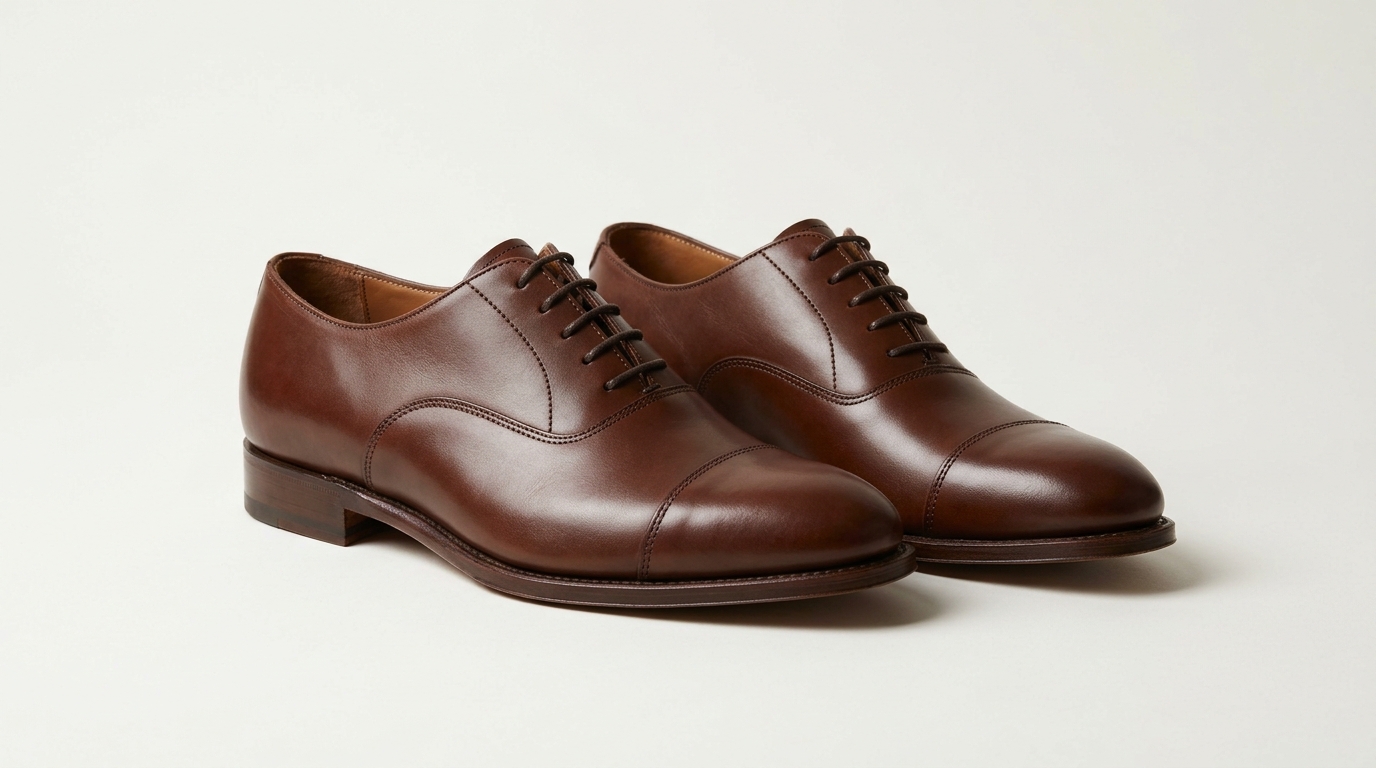
Foot pain from new shoes is one of the most common foot complaints there is. Brand-new shoes are stiff, the materials have not moulded to your feet, and your feet have not adjusted to a new shape or level of support. Most foot pain from new shoes shows up as sore heels, aching arches, pinched toes, or blisters — worst when you wear them all day straight out of the box. Most new-shoe pain fades as the shoes break in, and a slow break-in routine plus a few small fixes will get you there without raw skin. If the pain is sharp, swelling appears, or the shoes still hurt after two weeks, the fit is probably wrong.
See a doctor promptly if you notice any of these:
- Sharp or severe pain that does not ease when the shoes come off
- Swelling, redness, or warmth around the foot that does not settle
- Large, very painful blisters, or signs of infection such as pus or spreading redness
- Numbness or tingling in the toes while wearing the shoes
- Foot pain with diabetes, poor circulation, or a wound that will not heal
Why new shoes hurt your feet
Foot pain from new shoes happens because they are built to hold a shape, not to fit your feet right away. The leather is stiff, the heel counter is rigid, and the upper has not yet softened around your foot. Every step forces your foot against unyielding material, and the friction builds up over the day.
A new shoe also changes how your foot works. The arch support sits in a different place, the heel is a different height, and the toe box may be narrower or wider than you are used to. Your muscles have adapted to your old shoes over months, so a new pair asks them to work differently — and that adjustment takes time.
Then there is fit, the most common cause of all. Many people wear the wrong size without realising it — usually too small. Feet swell through the day, so a shoe that fits in the morning can feel tight by afternoon. Add a thick sock, and you get pinched toes, sore heels, and blisters.
The break-in period: what is normal and what is not
A reasonable break-in period is one to two weeks of gradual wear. During that time the materials soften, the sole flexes, and your feet adjust. Mild soreness or a small heel blister in the first few wears is common and usually settles as the shoe moulds to you.
But not all pain is break-in pain. Sharp pain, numbness, or pain that gets worse after a week of short wears is a warning sign. Shoes that genuinely do not fit will not become comfortable — leather stretches a little, but it does not add a full size. Here is a useful rule: discomfort that fades day by day is breaking in; pain that stays the same, or makes you limp, is the wrong shoe.
What helps foot pain from new shoes
Break them in slowly. Wear the new shoes around the house for an hour or two at a time before taking them out for a full day. Increase the time gradually over a week or so, and switch back to your old pair whenever your feet complain. This is the single most effective thing you can do, and it costs nothing.
Protect the spots that rub. A strip of moleskin or a blister plaster on the back of the heel before you put the shoes on will stop friction before it starts. For leather shoes, a little conditioner helps the upper give sooner, and thick socks worn around the house speed up the stretching.
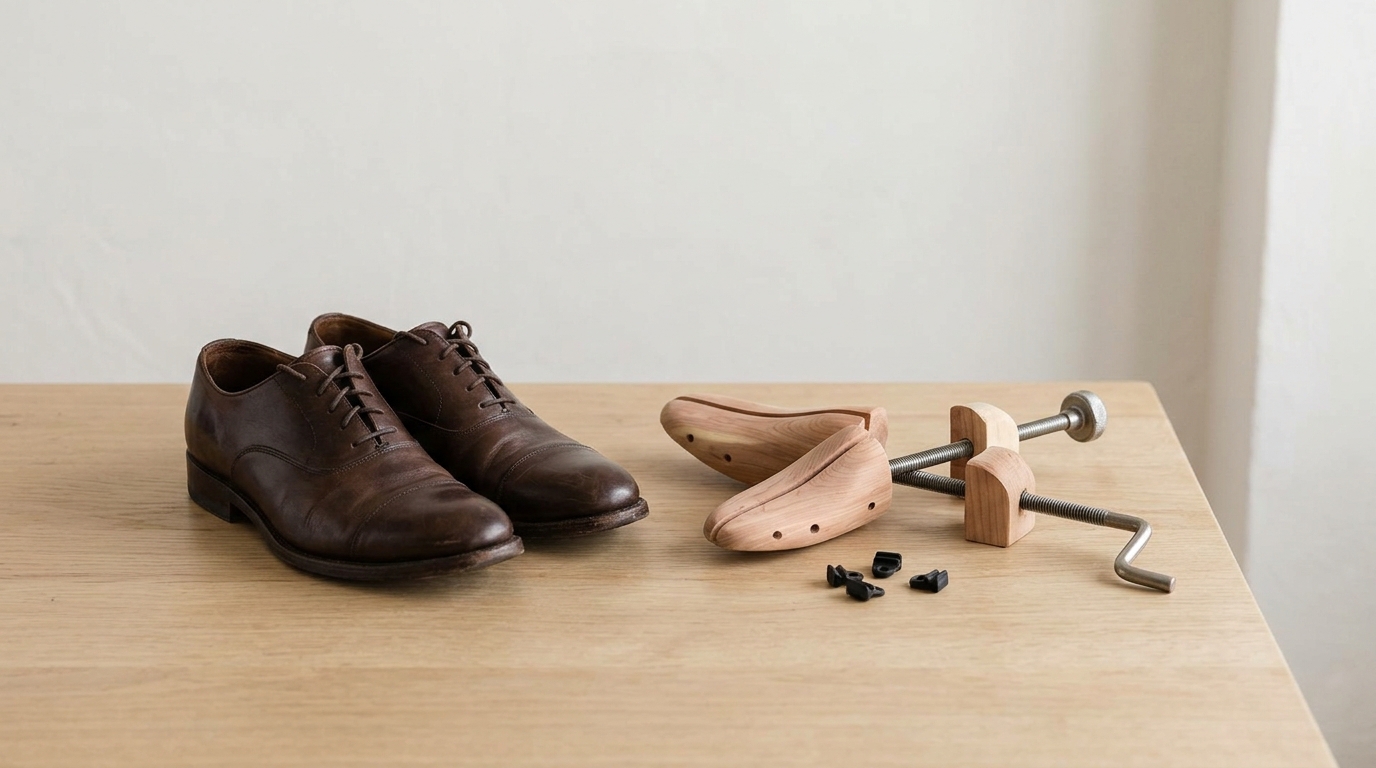
Fix the fit inside the shoe. If the heel slips, a heel grip or insole can take up the space and stop the rubbing that causes blisters. If the arch feels unsupported, an over-the-counter insole spreads the pressure more evenly. And if the toe box pinches, a shoe stretcher — or a cobbler — can buy you the millimetres that make the difference.
And be honest with yourself about size. Get your feet measured standing up, in the afternoon, when they are at their largest. If your toes press against the end, or you cannot wiggle them freely, the size is wrong. Podiatry research has long shown that a large share of people wear the wrong shoe size — most of them too small.
A daily routine for breaking in new shoes
Start the day in your new shoes, but only for short trips at first. Wear them around the house for an hour in the morning with your usual socks, and check for hot spots — where the shoe rubs or pinches. If a spot is sore, put moleskin on it before you wear the shoes again, not after it becomes a blister.
As the week goes on, add an hour or two of wear each day, and take a short walk outside once the shoes feel comfortable indoors. In the evening, take them off as soon as you get home. If a blister forms, cover it with a blister plaster and give it a day or two to heal before wearing the shoes again. By the end of the second week, a good pair should feel like yours — if not, take them back or take them to a cobbler. Do not force it.
Frequently asked questions
How long does it take to break in new shoes?
Most shoes take one to two weeks of gradual wear to break in, and leather takes longer than soft trainers. If the pain is not improving after two weeks, the fit is probably wrong.
Why do new shoes give me blisters?
Blisters form when stiff material rubs one spot repeatedly, usually the heel or the side of the big toe. Moleskin, blister plasters, and a slow break-in are the best prevention.
Should new shoes hurt at first?
A little mild soreness is normal while the materials soften. Sharp pain, numbness, or pain that gets worse over days is not — the size or shape is usually wrong.
Can I stretch shoes that are too tight?
Yes, a little. Leather stretches more than synthetic material, and a shoe stretcher or a cobbler can gain you some width. But stretching cannot fix a shoe a full size too small, or a toe box that needs a wide fit.
What is the best way to break in shoes without blisters?
Wear them for short periods at home first, use moleskin on spots that rub, and wear the socks you will pair them with. Do not wear new shoes for a long walk or a full workday until they feel comfortable for a few hours at home.
Sources
- Cleveland Clinic — Blisters: Causes, Symptoms, and Treatment
- Mayo Clinic — Blisters: First Aid and Prevention
- American Podiatric Medical Association — Proper Footwear and Shoe Fit
- NHS — Blisters: Causes and Treatment
This article is for information only and is not medical advice. If your foot pain is severe, sudden, or not improving, talk to a healthcare professional for a proper diagnosis.