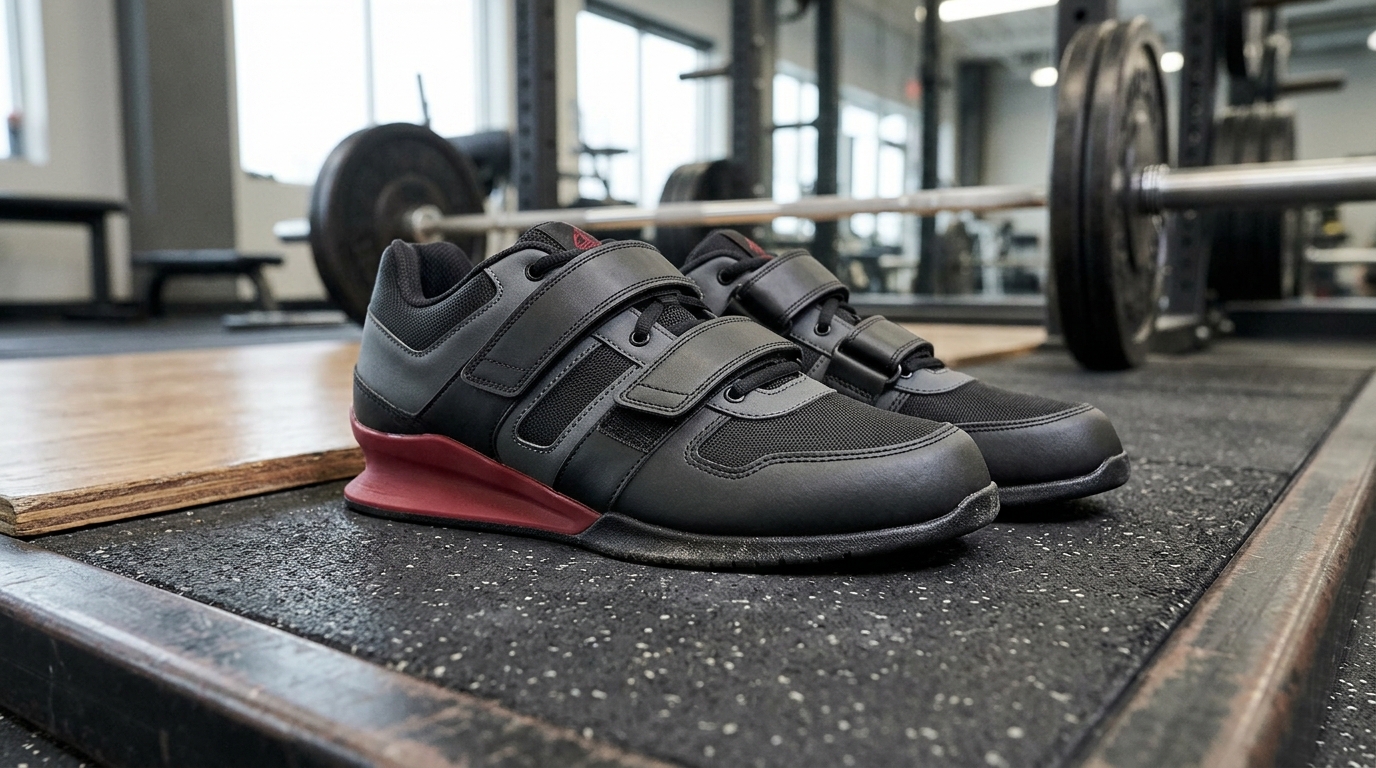
Quick Answer: Foot pain from weightlifting often points to pressure under heavy loads or poor foot position — your feet carry the full weight of the bar, so a weak arch, the wrong shoes, or a stance that’s too narrow can show up as pain fast. Resting the sore foot, checking your footwear and stance, and building up loads gradually usually help. If the pain is sharp, in one spot, or doesn’t ease after a week or two, get it checked.
See a doctor promptly if you notice:
- Sharp or severe pain that makes it hard to walk or bear weight
- Pain in one specific spot on a bone, especially after a heavy lift
- Swelling or bruising that doesn’t improve after a few days
- Numbness or tingling in your foot or toes during or after lifting
- Pain that keeps coming back every time you lift, even after rest
Why Weightlifting Hurts Your Feet
Most people think of weightlifting as an upper-body or leg workout and forget the two things doing the hardest work: their feet. Every squat, deadlift, and overhead press starts from the ground up. Your feet are the base of the lift — they take the bar’s weight plus your body weight, spread it across the floor, and keep you stable. When that base isn’t working well, it’s often your feet that pay for it.
Foot pain from weightlifting is common among new lifters, people who’ve recently increased their weights, and anyone lifting in the wrong shoes. The pain might show up as an ache in the arch after squats, a sharp sting in the heel, or soreness in the ball of the foot. And it doesn’t always feel like a foot problem — sore arches might get blamed on the knees. But if the pain appears during or just after lifting and eases with rest, your feet are usually where the story starts.
What It Is: The Most Common Causes
The most frequent cause is simple overload. Your feet are strong, but they’re not used to hundreds of extra pounds. If you jump to heavier weights too quickly, the tissues in your feet get stressed beyond what they’ve adapted to. The plantar fascia often hurts most first thing in the morning after a lifting day.
Your shoes are the next suspect. Running shoes are a poor choice for lifting: their soft soles compress unevenly under a heavy bar, letting your foot roll inward and straining the arch and ankle. Flat, stable lifting shoes — or lifting in socks on a firm platform — give your feet a solid base.
Foot position matters too. In a squat, if your feet are too narrow or your weight shifts onto your toes, pressure concentrates on the ball of the foot and the inside of the arch. Poor foot mechanics under load strain the arch, the American Podiatric Medical Association notes, and can contribute to overuse injuries. A wider stance, with your weight spread across the whole foot, usually feels better and lifts better.
Less common but more serious is a stress fracture: a tiny crack in a bone, often a metatarsal, caused by repeated heavy loading rather than one incident. The pain sits in one specific spot and gets worse with activity. If you have that kind of pinpoint pain, it needs a medical check rather than home treatment. Our guide to foot pain after exercise covers the warning signs in more detail.
What Helps: Footwear and Technique
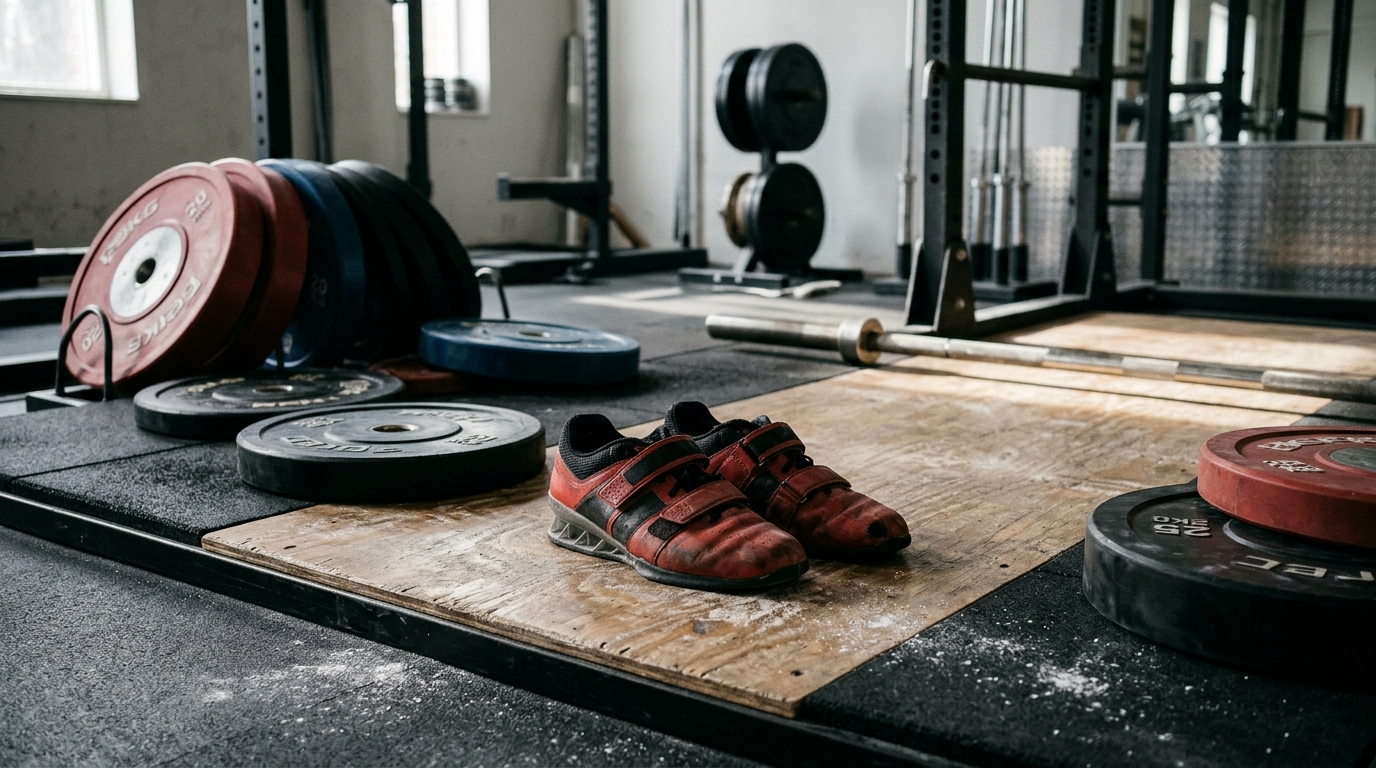
Start with your shoes. For heavy lifts like squats and deadlifts, wear flat, hard-soled lifting shoes, or lift in socks if your gym allows it. The Cleveland Clinic advises that firm, supportive footwear helps your feet handle load without rolling or collapsing — and under a barbell, stability matters more than cushioning.
Then look at your stance. Before you unrack the bar, set your feet shoulder-width apart and spread your weight across the whole foot. If your arches collapse inward as you come up, your feet are telling you something. A small heel lift can help if your ankle mobility is limited, but if the pain persists, a coach or podiatrist can check your form.
Don’t ignore the rest of the chain either. Tight calves change how your feet load: if your calves are tight, your heel lifts early in a squat and the ball of your foot takes too much pressure. Regular calf stretching and simple foot exercises — towel scrunches, slow calf raises — help your feet cope. If you jump alongside lifting, the same impact advice in our guide to foot pain from jumping applies.
Your Recovery Routine
Here’s a practical routine for getting back to lifting without re-injuring your feet:
- Deload for a week: Drop the weight on lower-body lifts by about half, or swap squats and deadlifts for machines and upper-body work while your feet recover.
- Ice after sessions: Roll your foot over a frozen water bottle for 10 to 15 minutes.
- Stretch daily: Stretch your calves against a wall for 30 seconds per leg, morning and evening, and pull your toes back toward your shin to stretch the bottom of the foot.
- Strengthen your feet: A few times a week, do towel scrunches with your toes and slow calf raises.
- Return gradually: When the pain has eased, build your weights back up slowly over two or three weeks. Back off if the pain returns.
FAQs
Is foot pain normal when weightlifting?
Some mild soreness after a hard leg session is normal, especially when you’re new to lifting. But sharp pain, pain in one spot, or pain that lingers for days isn’t normal — and deserves a look at your shoes and stance.
What shoes should I wear for weightlifting?
Flat, hard-soled lifting shoes are best for heavy squats and deadlifts — they give you a stable base and stop your foot rolling under load. Soft running shoes compress unevenly and can make foot pain worse.
Can weightlifting cause plantar fasciitis?
Heavy lifting can irritate the plantar fascia, especially if you increase the weight too fast. The classic sign is heel pain that’s worst with your first steps in the morning. Rest, stretching, and supportive footwear usually help, but persistent heel pain should be checked by a doctor or podiatrist.
Should I keep lifting if my feet hurt?
Mild soreness usually settles with a lighter week and better shoes. But if the pain is sharp, in one spot, or worse with every session, stop the heavy lower-body lifts and get it checked. Upper-body work is usually fine in the meantime.
How do I stop my feet hurting when I squat?
Wear flat, stable shoes, set your feet shoulder-width apart, and don’t let your arches collapse as you come up. Stretch your calves, strengthen your feet, and increase your weights gradually rather than in big jumps.
Sources
- American Podiatric Medical Association — sports and overuse foot injury guidance
- Cleveland Clinic — foot pain causes and footwear guidance
- Mayo Clinic — plantar fasciitis and stress fracture information
This article is for general information only and is not medical advice. Talk to your doctor or a podiatrist about your own feet.