Quick Answer: In short, foot pain from horseback riding usually comes from the stirrup pressing into the ball of your foot for hours, combined with a stiff boot heel that locks your ankle in one position. The pain is usually a dull ache or burning in the forefoot and arch, and it often fades with better stirrup placement and a proper riding boot. If it stays sharp, lasts more than a couple of weeks, or comes with swelling, get it checked by a doctor or podiatrist.
See a doctor promptly if you notice:
- Sharp or severe pain in the heel, arch, or a single spot on a bone
- Pain that makes walking or putting weight on your foot difficult
- Swelling, redness, or warmth that doesn’t settle within a day or two
- Numbness, tingling, or a burning feeling in your foot or toes
- Pain that keeps coming back after every ride and isn’t improving
Why Horseback Riding Can Hurt Your Feet
Riding looks easy on the feet — you’re sitting down, after all. But your feet work the whole time. They grip the stirrups, absorb the horse’s movement with every stride, and hold your ankle in a fixed position for hours. That’s a lot of steady pressure on a small part of your foot.
What It Is: The Most Common Causes
Stirrup pressure is the biggest culprit. With the ball of your foot on the tread, all your weight pushes down through one small spot, and over a long ride that can leave the forefoot burning or numb, with the nerves between your toes irritated.
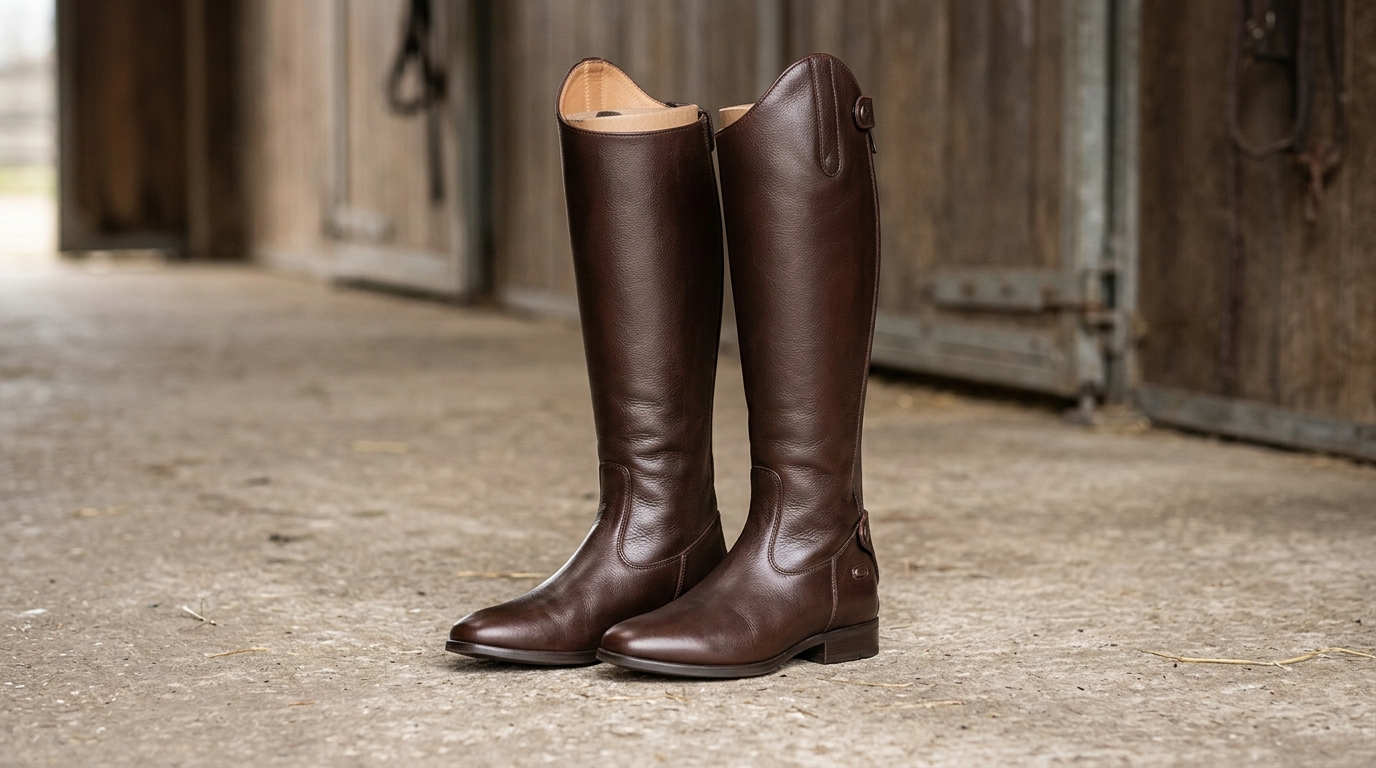
Your boot heel plays a part too. A riding boot has a low heel to stop your foot sliding through the stirrup, but a stiff heel and rigid sole lock your ankle in one angle, so your arch takes the strain. The same problem shows up off the horse — our guide to foot pain from cowboy boots explains how a stiff shaft and heel can ache even when you’re not riding.
The posting trot is another trigger. Every time you rise from the saddle, your feet push against the stirrups to lift you, then the pressure eases as you sit back down. Repeat that hundreds of times in a lesson and the ball of your foot takes a pounding — which is why beginners, who grip harder and bounce more, often hurt the most.
Then there’s simply riding too long without a break. A full day on the trail or back-to-back lessons can leave your feet aching the same way a long shift on your feet does — our guide to foot pain from work boots covers the same kind of all-day pressure in a different setting.
What Helps: Fixing Your Stirrups and Boots
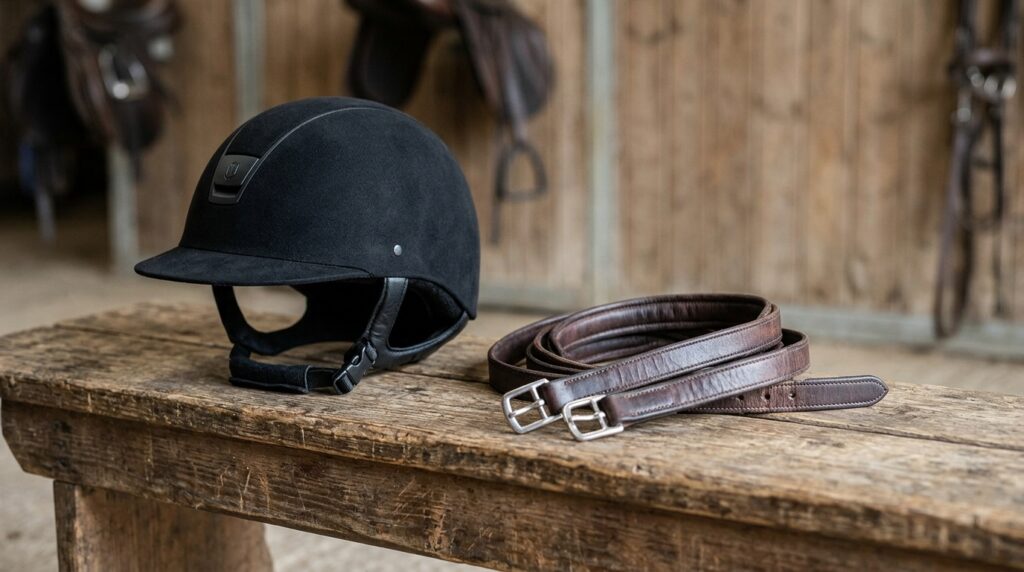
The first fix is where your foot sits in the stirrup. Aim for the ball of your foot on the tread, heel slightly lower than your toe — not jammed forward or hanging off the back. That spreads the pressure across the forefoot and lets your ankle flex and absorb the horse’s movement.
Tread width matters more than most riders realize. A narrow tread concentrates all the pressure into a thin line across your foot, while a wider tread spreads it out. Padded or wide-tread stirrups are a simple upgrade that can make a long ride far more comfortable.
Your boots should fit snugly but not pinch. A boot that’s too tight squeezes the forefoot and cuts off circulation, making numbness worse; a boot that’s too loose lets your foot slide around, so your toes grip to compensate — and that gripping cramps your arch. Try boots on with the socks you ride in.
Stretch your calves before you mount. The Cleveland Clinic points out that tight calves are one of the most common reasons heel and arch pain flares during exercise, and stiff calves stop your ankle dropping into the right position. A wall calf stretch and a few ankle circles take two minutes.
What Helps: Recovery After a Ride
After a sore ride, get out of your boots and let your feet spread out. Rolling the bottom of your foot over a tennis ball or a frozen water bottle for a few minutes loosens tight tissue — just keep the pressure gentle if the ball of your foot is tender.
If your feet ache after every ride, look at the rest of your week — long days standing or walking in stiff shoes all add up, and riding may just be the last straw. A rest day between rides gives irritated tissue time to settle, and the ache usually fades once your feet adapt, as long as the stirrup and boot fit are right.
Your Daily Routine for Happier Feet in the Saddle
Here’s a routine to keep your feet comfortable when you ride:
- Check your stirrup position: Ball of the foot on the tread, heel slightly lower than the toe — re-check after the first few minutes.
- Wear the right boots: Riding boots that fit snugly with your riding socks, with a heel low enough to keep your foot safe and a sole that still flexes.
- Stretch before you mount: Hold a wall calf stretch for 30 seconds per leg, then roll each ankle in circles.
- Take breaks on long rides: Dismount and walk around every hour — your feet need a change of position.
- Roll sore feet after the ride: Roll the bottom of each foot over a tennis ball for a few minutes, and rest a day if the ache is still there.
FAQs
Is foot pain from horseback riding normal?
Mild aching in the balls of your feet or your arches, especially when you’re new to riding, is common and usually fades with rest and better stirrup placement. Sharp or persistent pain is not normal and should be checked.
Why do the balls of my feet hurt when I ride?
The stirrup presses into the ball of your foot with every stride, and the posting trot adds repeated impact on the same spot. A narrow tread or boots that are too tight make it worse.
Can horseback riding cause plantar fasciitis?
Riding can irritate the plantar fascia, especially with tight calves and an ankle that can’t flex in the stirrup. Rest, calf stretching, and a wider tread usually help — persistent heel pain should be checked by a doctor.
Should I wear special insoles in my riding boots?
A thin cushioned insole can take the edge off stirrup pressure, as long as it doesn’t make the boot too tight. Avoid thick insoles — they usually make the numbness worse.
When should I see a doctor about foot pain from horseback riding?
See a doctor promptly if the pain is sharp or severe, if swelling doesn’t settle, if numbness doesn’t fade after the ride, or if the pain keeps coming back despite adjusting your stirrups and boots.
Sources
- Mayo Clinic — plantar fasciitis causes and symptoms
- Cleveland Clinic — arch pain and calf tightness information
- American Podiatric Medical Association — foot strengthening exercises
This article is for general information only and is not medical advice. Talk to your doctor or a podiatrist about your own feet.