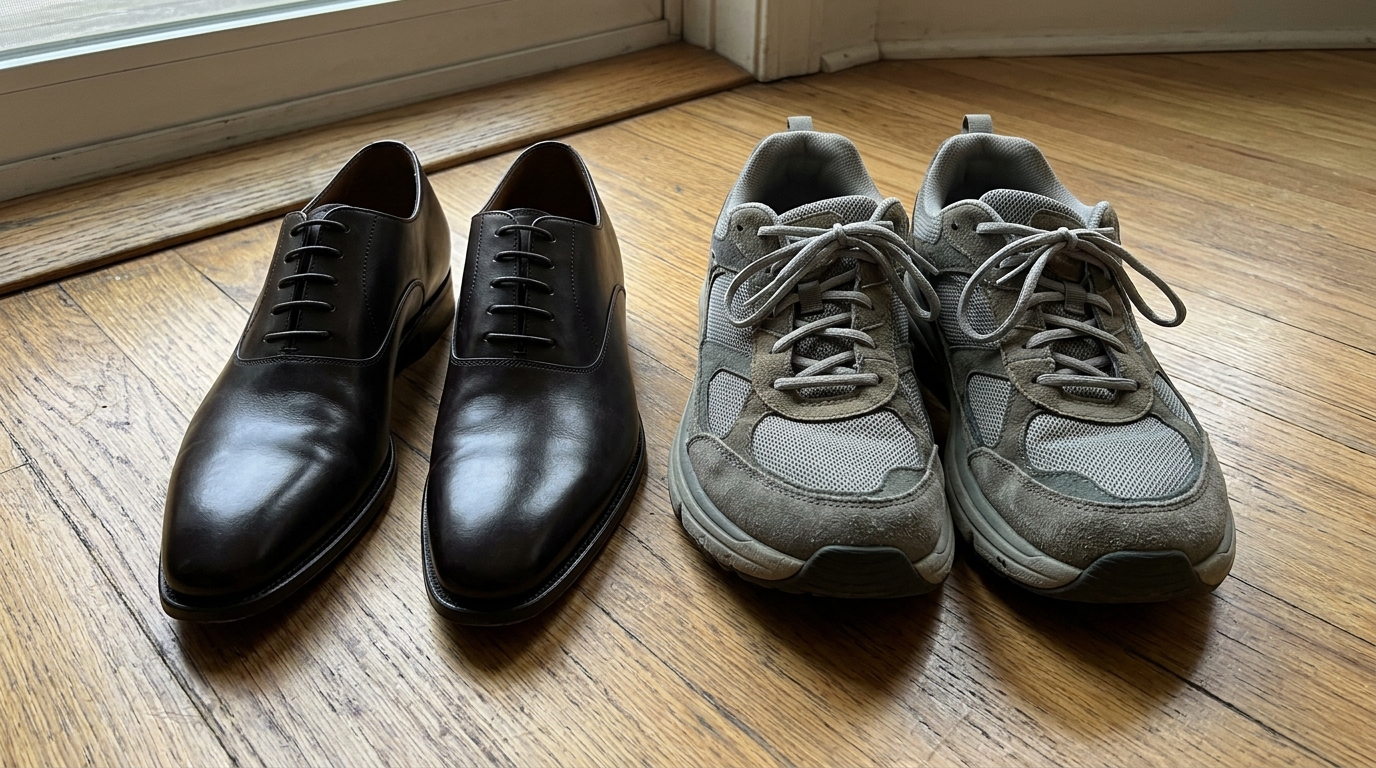
Foot pain from tight shoes usually comes from pressure: a narrow toe box squeezes your toes together, a stiff upper presses on bones and nerves, and a too-short shoe jams your toes into the front with every step. The result can be blisters, corns, bunions, numbness, or a deep ache across the forefoot. The fix starts with shoes that actually fit — enough room to wiggle your toes, a wide enough toe box, and a shape that matches your foot — plus rest, ice, and cushioning while the soreness settles. Pain that doesn’t ease within a couple of weeks of switching shoes deserves a closer look.
See a doctor promptly if you notice any of these:
- Pain that stays the same or gets worse two weeks after you stop wearing the tight shoes
- A toe that looks bent, swollen, or stuck in a new position
- Numbness, tingling, or a burning feeling between your toes that keeps coming back
- Redness, warmth, or an open sore on your foot, especially if you have diabetes
- Pain so sharp you can’t put weight on the foot, or pain after a sudden injury
What foot pain from tight shoes is and why it happens
Your feet aren’t a fixed shape — they spread out when you stand, swell slightly through the day, and need room to move as you walk. Tight shoes fight all of that. When a shoe is too narrow, too short, or too stiff, it compresses the bones, joints, tendons, and nerves of your foot, and the pressure builds up with every step you take.
The most common trouble spot is the forefoot. A narrow, pointed toe box forces your toes together, which can cause blisters between the toes, corns on the tops of the joints, and over time, bunions — the bony bump at the base of the big toe — or hammertoes, where a toe bends permanently at the middle joint. A shoe that’s too short is just as bad: your toes hit the front of the shoe with every stride, which can bruise the toenails, cause black toenails, and make the tips of your toes ache by the end of the day.
Tight shoes can also pinch nerves. The classic example is Morton’s neuroma, a thickening of tissue around a nerve between the toes that often starts as a feeling like there’s a pebble in your shoe, then becomes a burning or tingling pain.
And it’s not only the toe box. A shoe that’s tight across the instep can press on tendons and cause aching along the top of the foot.
What helps foot pain from tight shoes
The single most effective step is also the most obvious: stop wearing the shoes that hurt. Give your feet a break — a week or two in roomy, supportive shoes is often enough for blisters, corns, and general soreness to calm down. The Cleveland Clinic recommends choosing shoes with a wide toe box, low heels, and good arch support, and notes that bunions and hammertoes caused by cramped footwear often improve once the pressure is removed.
For immediate relief, rest and ice can help. A bag of frozen peas wrapped in a towel, held against the sore spot for 15 minutes, can ease inflammation after a long day.
If the pain keeps coming back, a shoe fitting is worth your time. The Mayo Clinic advises shopping for shoes late in the day, when your feet are at their largest, standing up while you try them on, and making sure there’s about a thumb’s width between your longest toe and the end of the shoe. A proper fitting at a specialty shoe store can reveal things you’d never guess — like one foot being a half-size bigger than the other, or a wide width solving a problem you thought was about length. For persistent nerve pain, numbness, or a toe that won’t straighten, a podiatrist can check whether something like a neuroma or a developing hammertoe needs treatment beyond better shoes.
A daily routine for happier feet
Start your day by picking shoes that fit your feet, not the other way around. Save narrow or high-heeled shoes for short occasions, not all-day wear.
Midday, give your feet a break if you can. Slip your shoes off for a few minutes, stretch your toes wide, and roll a tennis ball under each foot for a minute or two. This keeps the small muscles in your feet from stiffening up in a cramped position.
In the evening, check your feet. Look for red marks, blisters, or sore spots — they’re a map of where your shoes are pressing. A warm foot soak and a gentle calf stretch can help you unwind, and if you’ve had a day in tight shoes, sleeping with your feet uncovered and uncompressed lets them recover overnight.
Frequently asked questions
Can tight shoes cause permanent foot damage?
They can, if worn for years. Long-term pressure from narrow shoes is linked to bunions, hammertoes, and nerve thickening like Morton’s neuroma. The good news is that catching the problem early — switching to roomy shoes at the first sign of pain — usually prevents things from getting worse.
How do I know if my shoes are too tight?
Warning signs include red marks that linger after you take your shoes off, numbness or tingling in your toes, blisters in the same spot repeatedly, and pain that fades once you’re barefoot. If you can’t wiggle your toes freely, the shoe is too tight.
Should I buy shoes a size bigger to fix the problem?
Not necessarily — going longer can cause your foot to slide forward and jam your toes anyway. Width is often the real issue. Many brands offer wide and extra-wide fits, and a shoe in your true length but a wider width may solve the problem without the slipping that comes from sizing up.
Can I stretch tight shoes to make them fit?
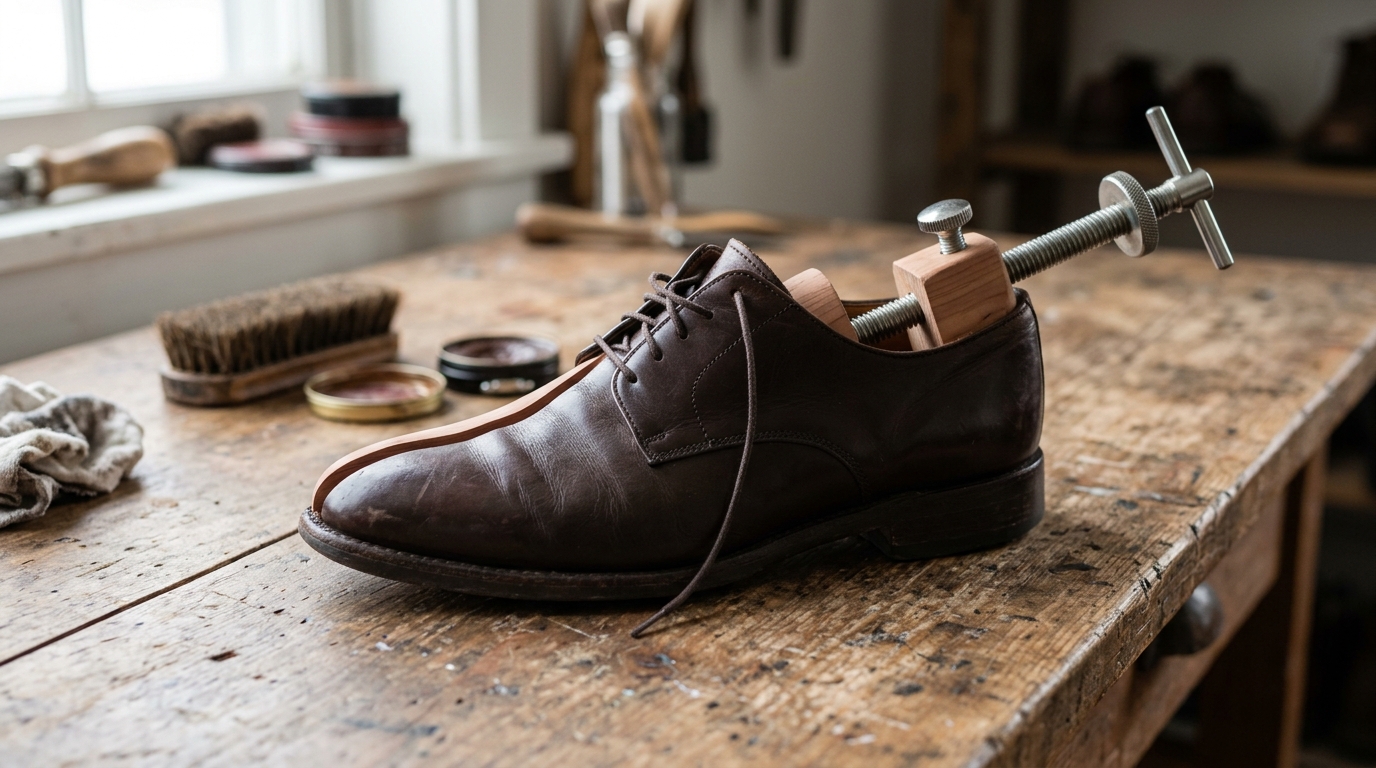
Sometimes, a little. Leather shoes can be stretched slightly with a shoe stretcher or by a cobbler, and that may help with mild tightness across the forefoot. But stretching won’t fix a shoe that’s a full size too short or a toe box that’s fundamentally the wrong shape for your foot — in that case, a different pair is the honest answer.
When should I see a doctor about shoe-related foot pain?
See a clinician if the pain doesn’t improve within two weeks of wearing properly fitting shoes, if you notice numbness or a change in toe shape, or if you have diabetes and any foot sore at all. Sudden, severe pain or inability to bear weight needs prompt attention.
Sources
- Cleveland Clinic — Bunions: Causes, Symptoms and Treatment
- Mayo Clinic — Morton’s Neuroma: Symptoms and Causes
- American Academy of Orthopaedic Surgeons — Footwear and Foot Health
This article is for information only and is not medical advice. If foot pain from tight shoes doesn’t improve after switching to properly fitting footwear, or you notice numbness, a change in toe shape, or a sore that won’t heal, talk to a healthcare professional.