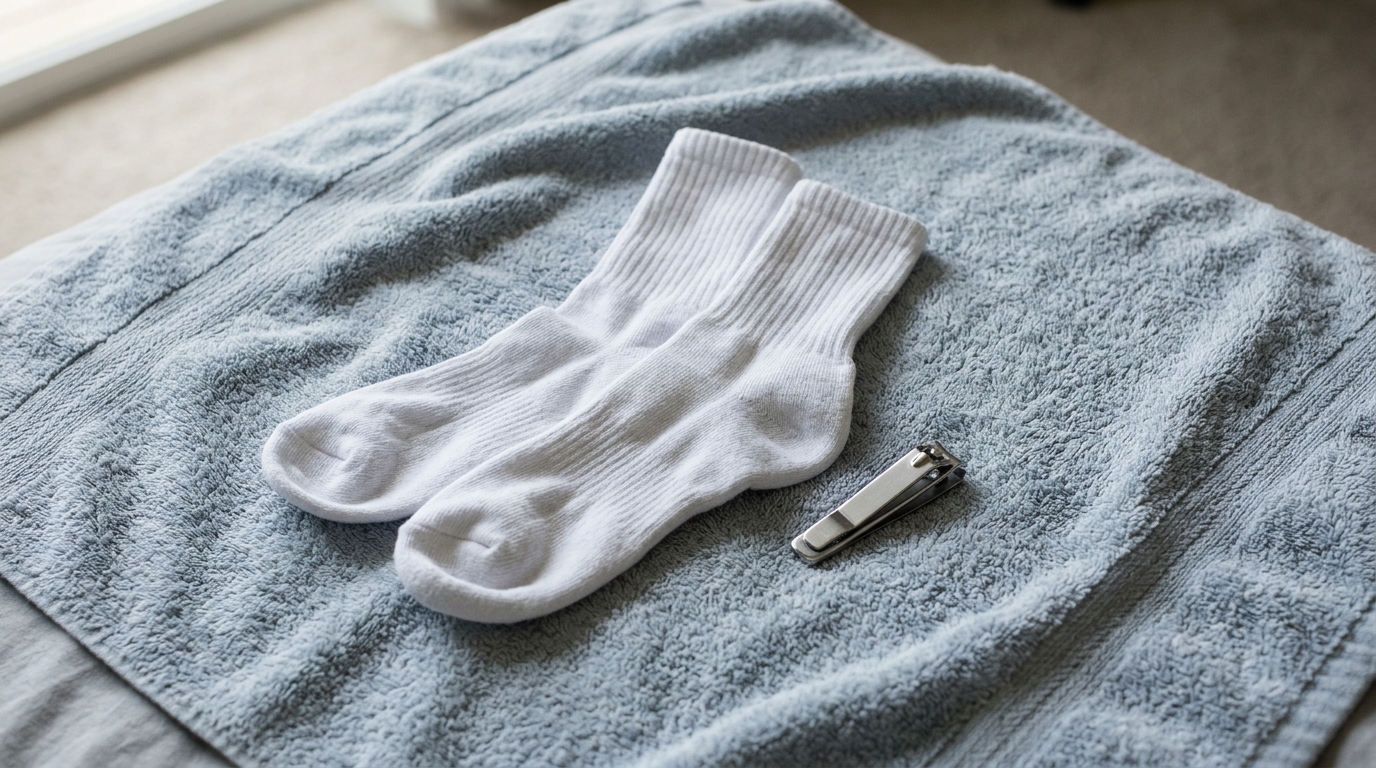
Yellow toenails causes range from the harmless — nail polish stains and natural ageing — to the common and treatable, like fungal infection, and more rarely to underlying health conditions. The most frequent culprit by far is toenail fungus, which usually thickens the nail, makes it crumbly, and spreads slowly from one nail to others. If your nails are yellow but otherwise smooth, thin, and healthy-looking, polish or ageing is more likely. If they’re thick, brittle, or lifting from the nail bed, fungus is the prime suspect — and the sooner you act, the easier it is to manage.
See a doctor promptly if you notice any of these:
- A toenail that becomes very thick, painful, or separates from the nail bed
- Redness, swelling, warmth, or pus around the nail, which may signal infection
- Yellowing that appears suddenly across all toenails, or with other new symptoms
- A dark streak or spot under the nail that doesn’t grow out with the nail
- Yellowing plus a foot wound or ulcer that won’t heal, especially if you have diabetes
What yellow toenails are and why they happen
Healthy toenails are usually a pale, translucent pink, with the nail bed showing through. When a nail turns yellow, something has changed either the nail itself or what’s underneath it. The colour change can be subtle — a faint yellow tinge at the tip — or dramatic, with the whole nail turning a deep mustard colour.
Toenail fungus, medically called onychomycosis, is the most common cause of yellow toenails, and it’s worth understanding properly. Fungi thrive in warm, damp, dark places — exactly what the inside of a shoe is. They get in through tiny cracks in the nail or cuts in the surrounding skin, then slowly spread through the nail. Early on, you might notice a small yellow or white spot at the tip or edge. Over months, the nail thickens, becomes brittle and crumbly, changes shape, and may lift from the nail bed.
But fungus isn’t the only cause, and jumping straight to that conclusion can be misleading. Nail polish — especially dark reds and oranges — can stain the nail yellow, particularly if you wear it continuously without a base coat or breaks between applications. Natural ageing thins and yellows nails gradually, much like hair going grey.
Less commonly, yellow nails can be linked to health conditions. Yellow nail syndrome is a rare condition where nails thicken, yellow, and grow very slowly, sometimes alongside breathing problems or swelling in the legs. Diabetes, psoriasis, thyroid problems, and poor circulation can also change nail colour and texture.
What helps yellow toenails
The right fix depends on the cause, so start by working out which one fits. If polish staining is the likely culprit, the fix is simple: take a break from polish for a few weeks, use a base coat when you go back to it, and gently buff the surface of the nail — lightly, not aggressively — to remove surface staining.
For fungal infection, patience is the hard part. The Cleveland Clinic notes that over-the-counter antifungal treatments can help mild cases, but toenail fungus is stubborn — nails grow slowly, so it can take months to see a healthy nail replace the infected one. Keeping feet clean and dry is essential: wash daily, dry carefully between the toes, wear breathable shoes and moisture-wicking socks, and change socks when they get sweaty.
What does help, regardless of cause, is good nail care: trim nails straight across rather than rounding the corners, don’t cut them too short, keep them clean, and avoid picking at the cuticle. The American Academy of Dermatology Association recommends these basics for keeping toenails healthy and reducing the risk of ingrown nails and infection.
If the yellowing doesn’t improve, spreads to more nails, or comes with pain, swelling, or other symptoms, see a clinician — a podiatrist or dermatologist can test the nail to confirm whether it’s fungal, which matters because other conditions that look similar need different treatment.
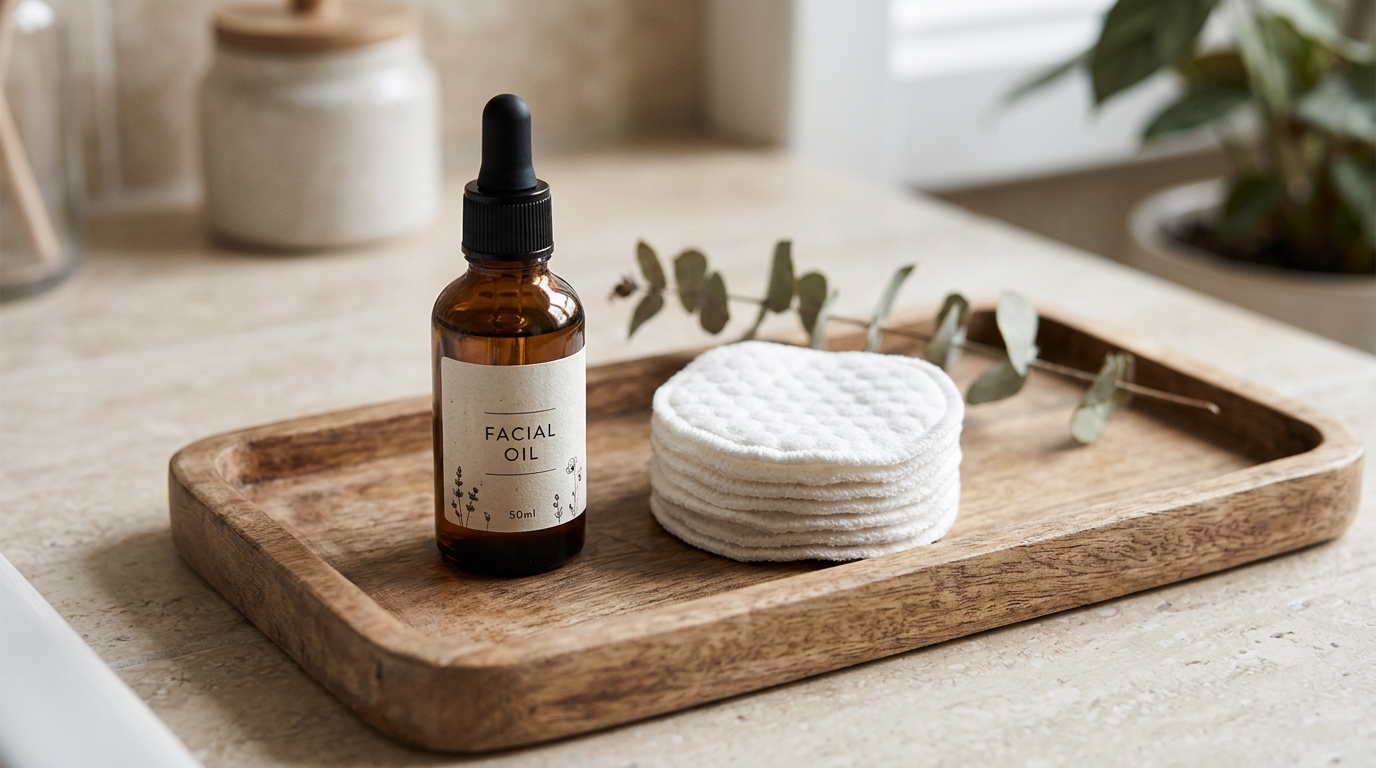
A daily routine for healthier toenails
In the morning, put on clean, breathable socks and shoes that give your toes room — cramped shoes trap moisture and pressure, both of which fungi and nail damage love.
After showering or exercise, dry your feet thoroughly, especially between the toes. This one habit does more to prevent fungal infection than almost anything else. If your feet sweat a lot, consider moisture-wicking socks and a second pair of shoes to rotate, so each pair gets a day to dry out.
Once a week, trim your nails straight across and file any rough edges. Moisturise your nails and cuticles with a little oil or cream — healthy, flexible nails resist cracking and infection better than dry, brittle ones.
Frequently asked questions
Are yellow toenails always caused by fungus?
No. Fungus is the most common cause, but nail polish staining, ageing, smoking, certain medications, and injury can all yellow toenails too. Fungus is more likely if the nail is also thick, brittle, crumbly, or lifting from the nail bed, and if the yellowing spreads slowly to other nails.
Can yellow toenails go back to normal?
Often yes, but it takes time. Polish stains fade as the nail grows out over a few months. Fungal nails improve as healthy nail slowly replaces infected nail — a process that can take six to twelve months for toenails, since they grow slowly. Consistency with treatment and foot hygiene is what makes the difference.
Do over-the-counter antifungal treatments work?
They can help mild, early fungal infections, especially combined with good foot hygiene. But topical treatments struggle to penetrate a thick, infected nail, so moderate or severe cases often need prescription treatment. If over-the-counter options haven’t helped after a few months, see a clinician rather than switching products endlessly.
Should I be worried about yellow toenails?
Usually not — most causes are harmless or treatable. But get checked promptly if the yellowing appears suddenly across all nails, comes with pain, swelling, or pus, involves a dark streak under the nail, or arrives alongside other new symptoms like breathlessness or leg swelling. People with diabetes should get any persistent nail change checked sooner.
Can I still wear nail polish with yellow toenails?
If the cause is staining or ageing, yes — with a base coat and regular breaks. If you suspect fungus, it’s better to skip polish during treatment, since polish seals moisture in and makes it harder to monitor the nail’s progress. Once the nail is healthy again, polish with a base coat is fine.
Sources
- Cleveland Clinic — Toenail Fungus: Causes, Symptoms and Treatment
- Mayo Clinic — Nail Fungus: Diagnosis and Treatment
- American Academy of Dermatology Association — Nail Care and Toenail Fungus
This article is for information only and is not medical advice. If your toenails are thick, painful, lifting, or the yellowing spreads or comes with other symptoms, talk to a healthcare professional.