
Arthritis in feet symptoms usually involve pain, stiffness, and swelling in the joints of the foot, often worse in the morning or after sitting for a while, and easing as you move — though the pain can return after a long day on your feet. You may notice tenderness when you press a joint, reduced flexibility, a grinding or clicking feeling, and visible swelling or warmth around the affected joint. Over time, the shape of the foot can change, shoes may fit differently, and walking can become uncomfortable. The big toe joint and the midfoot are among the most commonly affected areas.
See a doctor promptly if you notice any of these:
- A joint that is hot, very swollen, and severely painful, especially with a fever
- Sudden joint pain after an injury, or a joint that looks deformed
- Pain that does not improve after a few weeks of rest and simple care
- Stiffness that lasts more than 30 minutes every morning
- You have a known inflammatory condition such as rheumatoid arthritis, gout, or psoriasis
What arthritis in the feet is and why it happens
Arthritis is inflammation of a joint, and the foot, with its 33 joints, offers plenty of places for it to develop. The most common type is osteoarthritis, the wear-and-tear form, where the cartilage that cushions a joint gradually breaks down. It often affects the big toe joint, where it is called hallux rigidus, and the midfoot joints. Rheumatoid arthritis, an autoimmune condition, can affect many small joints in the feet, often symmetrically, and gout causes sudden, intensely painful inflammation, often in the big toe.
Risk factors include age, previous foot injuries, obesity, family history, and occupations or sports that heavily load the feet. A past fracture or sprain can damage cartilage and set up post-traumatic arthritis years later. Inflammatory types like rheumatoid arthritis and psoriatic arthritis have their own triggers and usually need specialist care.
The symptoms tend to follow a pattern. Osteoarthritis pain is often worse with activity and better with rest, and stiffness is usually worst first thing in the morning but eases within 30 minutes. Rheumatoid arthritis stiffness tends to last longer, often over an hour, and the pain may affect both feet. Gout is different again: it arrives suddenly, often overnight, with a single joint that is red, hot, and exquisitely tender.
Over time, arthritis can change the foot’s shape. The big toe may drift, the arch may flatten, and bony bumps called osteophytes can form around joints, making shoes uncomfortable. Recognising the pattern early matters, because treatment can slow the damage and keep you mobile.
What helps arthritis in the feet
Footwear is one of the most effective everyday tools. Shoes with a roomy toe box, good cushioning, and a stiff sole reduce pressure on painful joints, and a rocker-bottom sole can help the foot roll forward without bending a stiff big toe joint. Over-the-counter pain relief and icing a swollen joint can ease flare-ups, and the American Academy of Orthopaedic Surgeons notes that activity modification, weight management, and orthotics are core parts of conservative treatment.
Staying active matters, even when it hurts. Low-impact exercise such as walking, swimming, and cycling keeps joints mobile and muscles strong without the pounding of running. Gentle range-of-motion exercises for the toes and ankles help preserve flexibility, and physical therapy can teach you how to move in ways that protect sore joints. Keeping weight down reduces the load on every foot joint with each step.
For inflammatory arthritis, medical treatment is essential. Disease-modifying drugs can slow rheumatoid arthritis and protect joints, and gout is treated with medication to lower uric acid and manage flares. A clinician may also offer corticosteroid injections into a painful joint, and in advanced cases where a joint is severely damaged, surgery — such as fusing the joint or replacing it — can relieve pain and restore function.
Watch for flare patterns. If one joint suddenly becomes red, hot, and very painful, or if you develop a fever with joint pain, get medical attention promptly, since infection in a joint is a medical emergency.
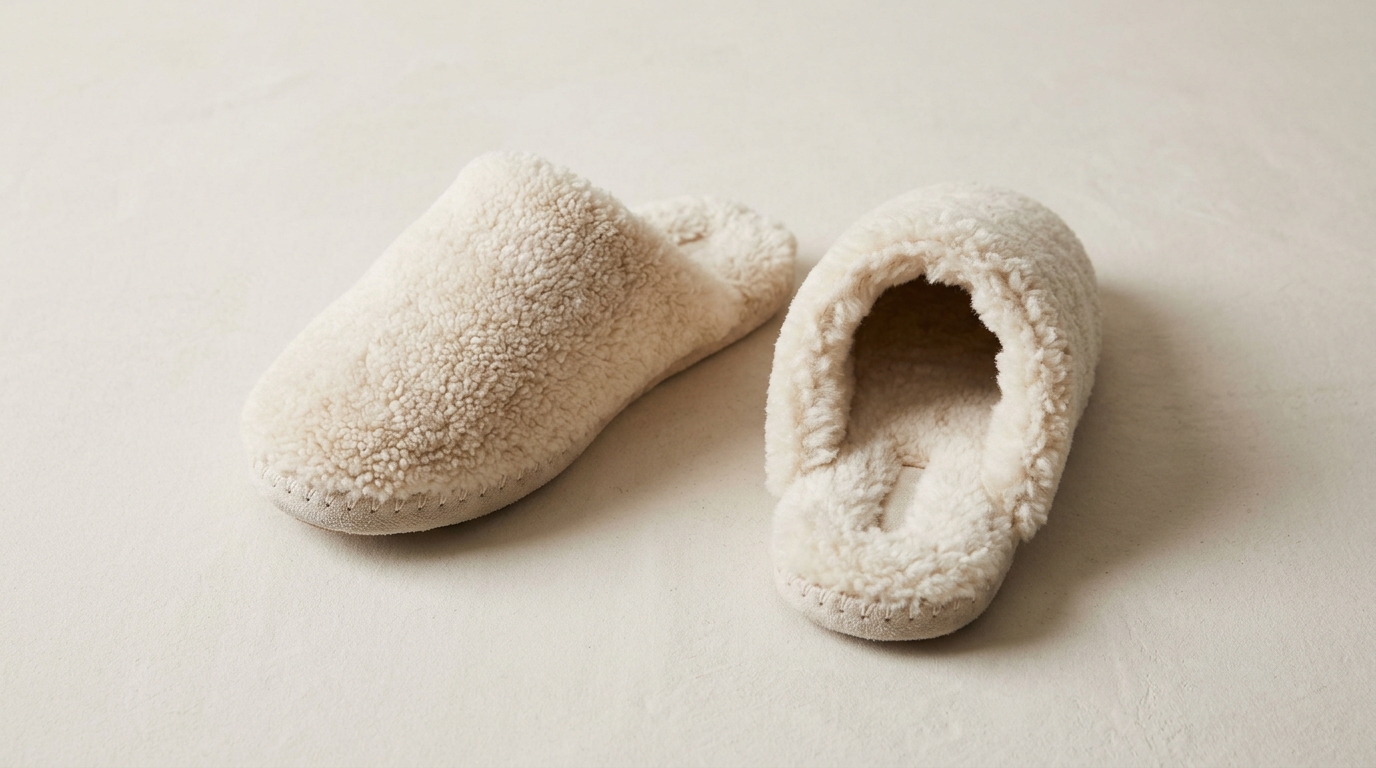
A daily routine for arthritic feet
In the morning, move your toes and ankles gently before standing, since stiffness is usually worst first thing. Warm water or a warm shower can help loosen stiff joints.
During the day, wear cushioned, roomy shoes with good support, and take sitting breaks if you stand for long periods. Short, gentle walks are usually better than long, punishing ones.
In the evening, ice any joint that is swollen or sore, do gentle toe and ankle stretches, and note which activities flare the pain so you can adjust them. If stiffness regularly lasts over an hour, or a joint is getting worse, book an appointment.
Frequently asked questions
What does arthritis in the feet feel like?
Usually pain, stiffness, and swelling in the foot joints, worse in the morning or after rest, and often worse after a long day on your feet. Some people notice grinding, reduced flexibility, or changes in foot shape.
Which joints in the foot does arthritis affect most?
The big toe joint and the midfoot joints are the most common sites for osteoarthritis, while rheumatoid arthritis often affects many small joints in both feet.
Can exercise help arthritis in the feet?
Yes. Low-impact exercise keeps joints mobile and muscles strong, which protects the joints. Avoid high-impact activity that pounds sore joints.
Is arthritis in the feet curable?
There is no cure for most types, but pain and function can usually be improved a great deal with footwear, exercise, weight management, and, where needed, medication or surgery.
When should I see a doctor about foot arthritis?
See a doctor if a joint is hot and very painful with a fever, if stiffness lasts over 30 minutes every morning, if pain does not improve after a few weeks, or if the foot’s shape is changing.
Sources
- American Academy of Orthopaedic Surgeons — Arthritis of the Foot and Ankle
- Mayo Clinic — Osteoarthritis: Symptoms and Causes
- Cleveland Clinic — Foot Arthritis: Symptoms, Causes and Treatment
This article is for information only and is not medical advice. If your foot pain is severe, sudden, or not improving, talk to a healthcare professional for a proper diagnosis.