Plantar fibroma symptoms usually start with a firm, slow-growing lump in the arch of the foot, often near the middle of the sole. At first the lump may cause no pain at all, and many people only notice it when they press the arch or walk barefoot on a hard floor. Over time, though, the lump can become tender, ache after standing or walking, and make shoes feel uncomfortable, especially if it grows large enough to press against the ground with every step. The lump rarely disappears on its own, and while it is not cancerous, it can gradually get bigger.
See a doctor promptly if you notice any of these:
- A lump that grows quickly, becomes very painful, or changes colour
- Skin over the lump that breaks open, bleeds, or looks infected
- Numbness, tingling, or weakness in the foot alongside the lump
- Difficulty walking or wearing shoes because of the lump
- You have diabetes or poor circulation and notice any new foot lump or sore
What a plantar fibroma is and why it happens
A plantar fibroma is a benign, non-cancerous growth of fibrous tissue in the plantar fascia, the thick band of tissue that runs along the sole of the foot from the heel to the toes. The growth forms as a firm nodule, usually in the middle of the arch, and it can occur in one foot or both. It is sometimes called Ledderhose disease, and it is related to Dupuytren’s contracture in the hand, which causes similar fibrous thickening.
Nobody knows exactly why plantar fibromas develop. They are more common in middle-aged adults, and they sometimes run in families. Repeated trauma or pressure on the arch has been suggested as a trigger, and they appear more often in people who also have Dupuytren’s disease, though many people with a plantar fibroma have no family history at all. The growth is slow, often taking months or years to become noticeable.
Most of the time the lump itself is the main symptom. It feels firm and fixed in place, and it does not move freely under the skin the way a cyst might. Pain usually comes from pressure: when you stand or walk, your body weight presses the lump against the ground, and shoes that press on the arch can add to the discomfort. Very large fibromas can change how you walk, and that altered gait can cause secondary pain in the ankle, knee, or back.
It is important not to assume every lump in the arch is a fibroma. Cysts, lipomas, and other growths can look similar, and a clinician can usually tell them apart with an examination and, if needed, an ultrasound or MRI.
What helps a plantar fibroma
If the lump is small and painless, the usual advice is simply to watch it. Many people live comfortably with a small fibroma for years, and treatment is only needed when it causes pain or interferes with walking. Regular checks on its size are sensible, since a lump that grows quickly deserves a fresh assessment.
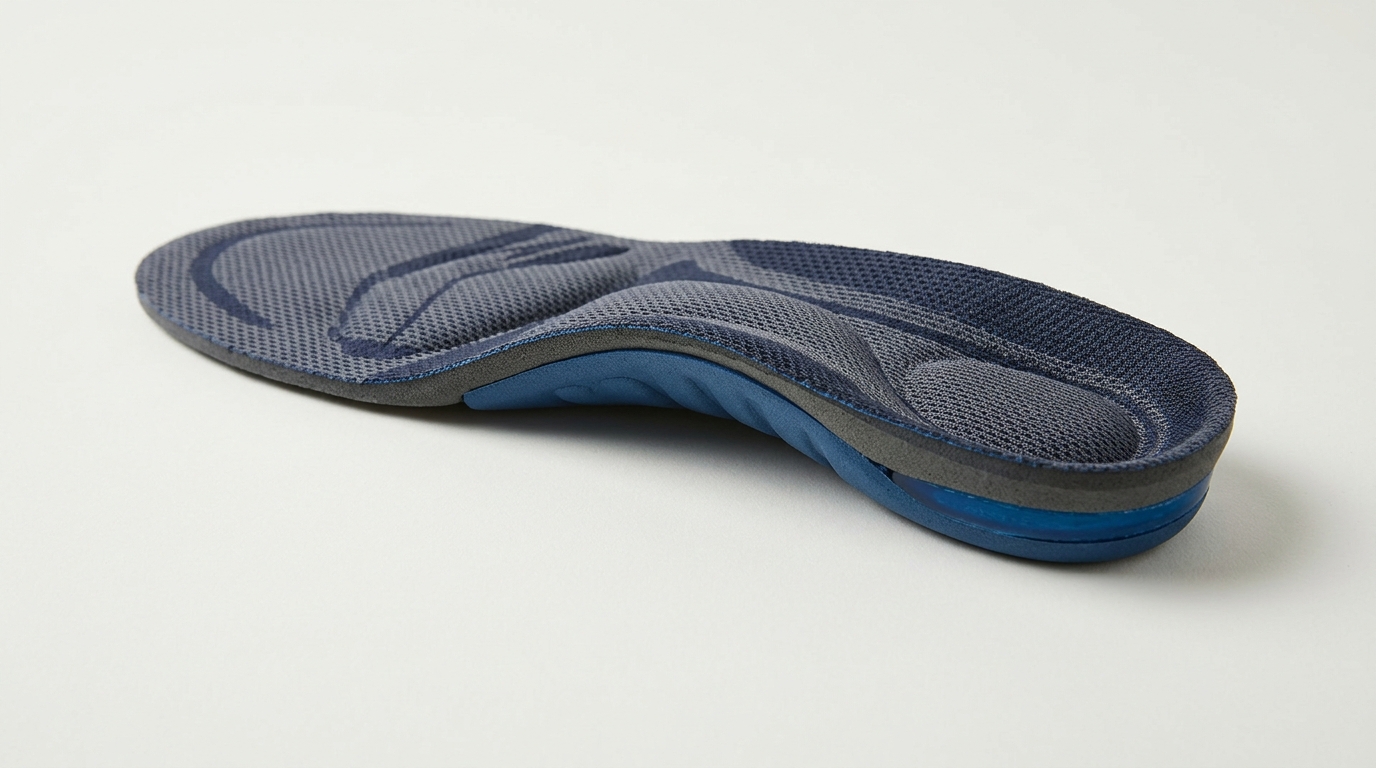
When it does cause pain, the goal is to take pressure off it. Shoes with a soft, cushioned sole and good arch support help, and a custom orthotic with a cut-out or padding around the lump can stop it being pressed with every step. Avoiding barefoot walking on hard floors also reduces direct pressure. The Cleveland Clinic notes that padding, orthotics, and physical therapy are the first-line options, and that corticosteroid injections are sometimes used to shrink the nodule, though results vary.
Some people explore non-surgical options such as shockwave therapy or radiotherapy, which are offered in specialist centres, but the evidence is mixed and these are not first-line treatments. Surgery to remove the fibroma is an option when it is large or very painful, but it carries a notable risk of recurrence, and surgery on the sole of the foot can leave a scar that is itself painful to walk on. For that reason, surgeons usually recommend it only when conservative measures have failed.
Whatever you choose, keep an eye on how you walk. Compensating for arch pain by rolling to the outside of the foot can create new problems elsewhere, so if your gait is changing, raise it with a clinician.
A daily routine for plantar fibroma pain
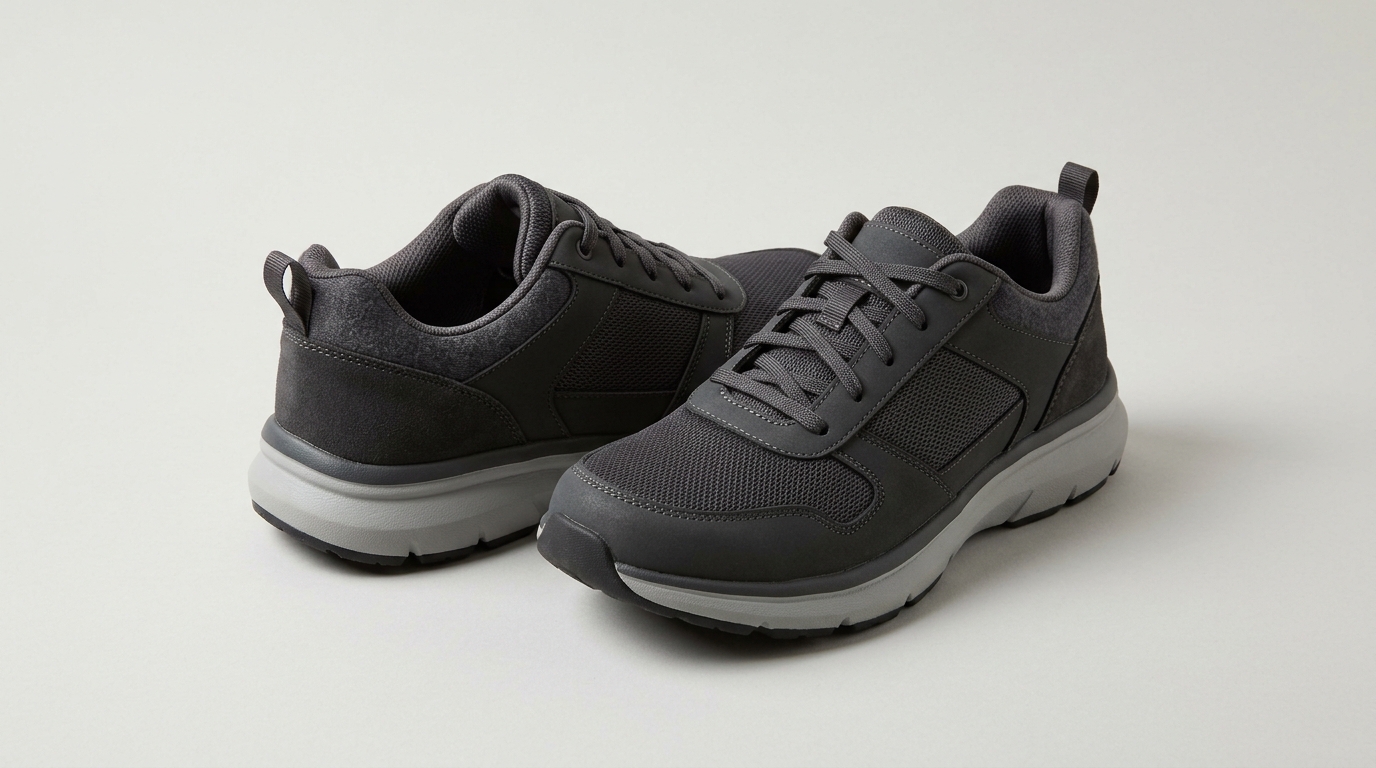
In the morning, choose cushioned shoes with arch support, and use your orthotic or pad if you have one. Avoid flat, thin-soled shoes that let the lump press directly against the ground.
During the day, avoid long barefoot stretches on hard floors, and sit down for a break if the arch starts to ache. A quick check of the lump’s size every few weeks helps you spot changes early.
In the evening, rest the foot if it aches, and note any change in the lump’s size, tenderness, or effect on your walking. Rapid growth or new pain is a reason to get checked promptly.
Frequently asked questions
Is a plantar fibroma cancerous?
No. A plantar fibroma is a benign growth of fibrous tissue. It does not spread like cancer, but it can grow slowly and cause pain by pressing against the ground when you walk.
Will a plantar fibroma go away on its own?
Usually not. Small, painless fibromas are often simply monitored, while painful ones are managed with padding, orthotics, or, in some cases, injections or surgery.
What is the difference between a plantar fibroma and plantar fasciitis?
Plantar fasciitis is inflammation of the fascia that causes heel and arch pain, especially with the first steps in the morning. A fibroma is a distinct, firm lump in the arch that you can feel.
Do I need surgery for a plantar fibroma?
Most people do not. Surgery is usually reserved for large or very painful fibromas that have not responded to conservative care, partly because recurrence is common.
Can a plantar fibroma affect both feet?
Yes, it can occur in both feet, sometimes at the same time. If you notice a lump in the other arch, mention it at your next appointment.
Sources
- Cleveland Clinic — Plantar Fibroma: Symptoms, Causes and Treatment
- American Academy of Orthopaedic Surgeons — Plantar Fibromatosis
- Mayo Clinic — Foot Lumps: When to Seek Care
This article is for information only and is not medical advice. If a foot lump grows quickly, becomes very painful, or affects your walking, talk to a healthcare professional for a proper diagnosis.