Cuboid syndrome symptoms usually centre on pain along the outer side of the midfoot, around the small cuboid bone that sits in front of the heel on the outside edge of the foot. The pain often appears after an ankle sprain, a sudden twist, or repetitive stress from running or jumping, and it tends to worsen when you walk, stand, or push off the foot — and ease with rest. You may also notice tenderness when you press the outer midfoot, swelling in the area, weakness when walking, and a feeling that something is “off” in the foot. Because the pain can mimic a fracture or a sprain, cuboid syndrome is often missed at first.
See a doctor promptly if you notice any of these:
- Severe pain, swelling, or bruising after an injury, or an inability to bear weight
- A foot that looks deformed or a bone that seems out of place
- Numbness, tingling, or colour change in the foot
- Pain that does not improve after two weeks of rest and simple care
- You have diabetes, poor circulation, or a foot wound alongside the pain
What cuboid syndrome is and why it happens
The cuboid is a small, cube-shaped bone on the outer side of the midfoot. It sits between the heel bone and the fourth and fifth metatarsals, and it plays a quiet but important role in stabilising the foot and supporting the arch when you walk. Cuboid syndrome happens when this bone shifts slightly out of its normal position — a partial dislocation known as subluxation — and the surrounding ligaments and joints become irritated.
The most common trigger is an ankle sprain, particularly one where the foot rolls inward, which can tug the cuboid out of place. It also occurs in dancers, runners, and athletes who do a lot of jumping or quick side-to-side movements, and in people with flat feet or feet that overpronate, since those feet put more stress on the midfoot. Sometimes there is no single dramatic event: repetitive stress over weeks can gradually irritate the joint until pain appears.
The pain is usually localised to the outer midfoot, and it often gets worse with weight-bearing and better with rest. Some people feel it most when they push off the foot while walking, or when they walk on uneven ground. Morning stiffness is less typical than in conditions like plantar fasciitis, and the pain does not usually shoot or tingle the way nerve pain does.
One reason cuboid syndrome is underdiagnosed is that it rarely shows up on an X-ray. The bone’s shift is subtle, and the joint looks normal on imaging. Clinicians usually diagnose it from the history, the location of tenderness, and the response to a manual adjustment of the bone.
What helps cuboid syndrome
Rest and ice are the first steps. Avoiding the activities that aggravate the pain — running, jumping, and walking on uneven ground — gives the irritated joint a chance to settle, and icing the outer midfoot for 15 to 20 minutes a few times a day can reduce inflammation. Over-the-counter pain relief may help in the short term if it is safe for you.
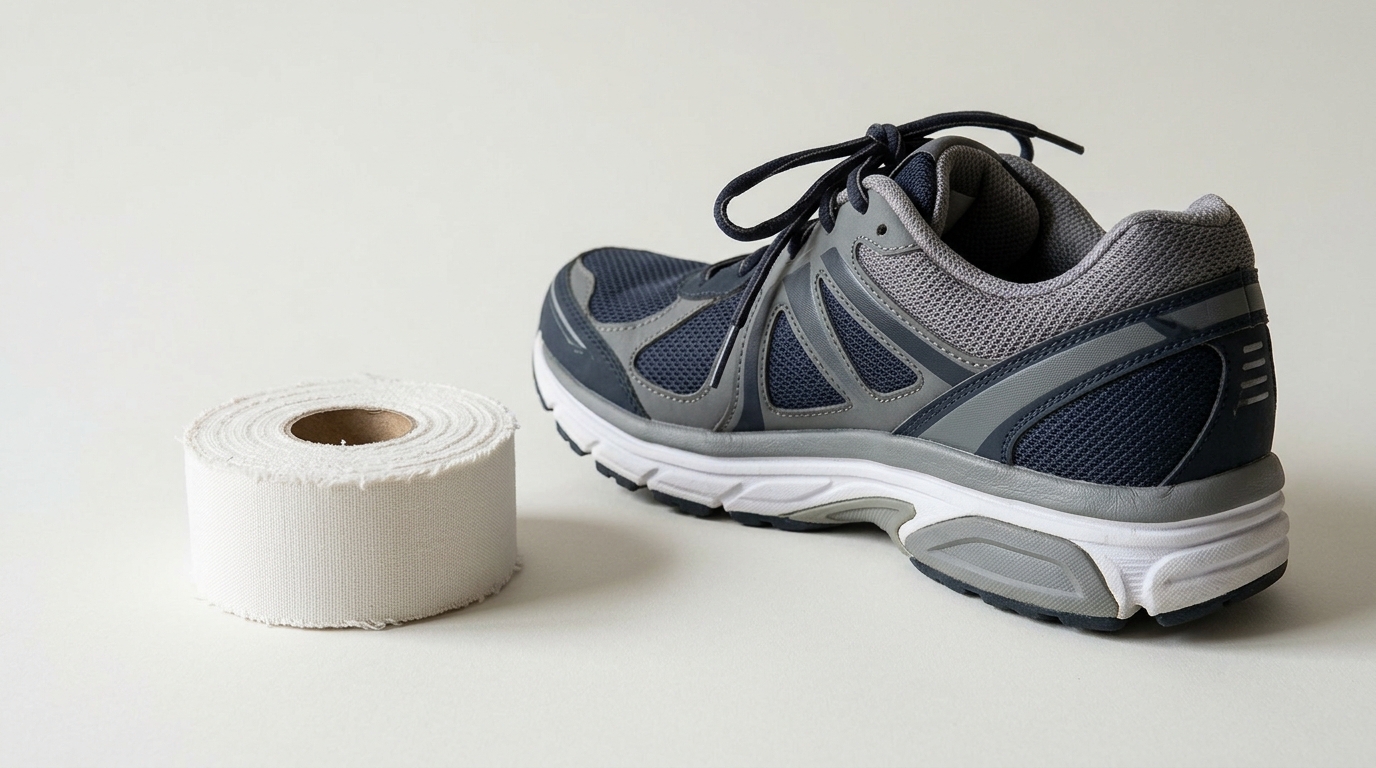
Many clinicians treat cuboid syndrome with a manual adjustment, sometimes called a cuboid whip or squeeze, which repositions the bone. It can bring quick relief, though it sometimes needs repeating. Supportive footwear and orthotics also help, particularly if flat feet or overpronation contributed to the problem, because they reduce the stress on the midfoot. Taping the foot can stabilise the area while it heals.
The Cleveland Clinic notes that conservative treatment — rest, ice, taping, orthotics, and physical therapy — resolves most cases, and that strengthening the foot and ankle muscles helps prevent recurrence. Exercises for the muscles that support the arch and the outer foot are a useful part of recovery.
If pain persists despite treatment, see a clinician again. A fracture, a ligament injury, or a different midfoot problem may be mimicking cuboid syndrome, and imaging or a specialist referral may be needed.
A daily routine for cuboid syndrome pain
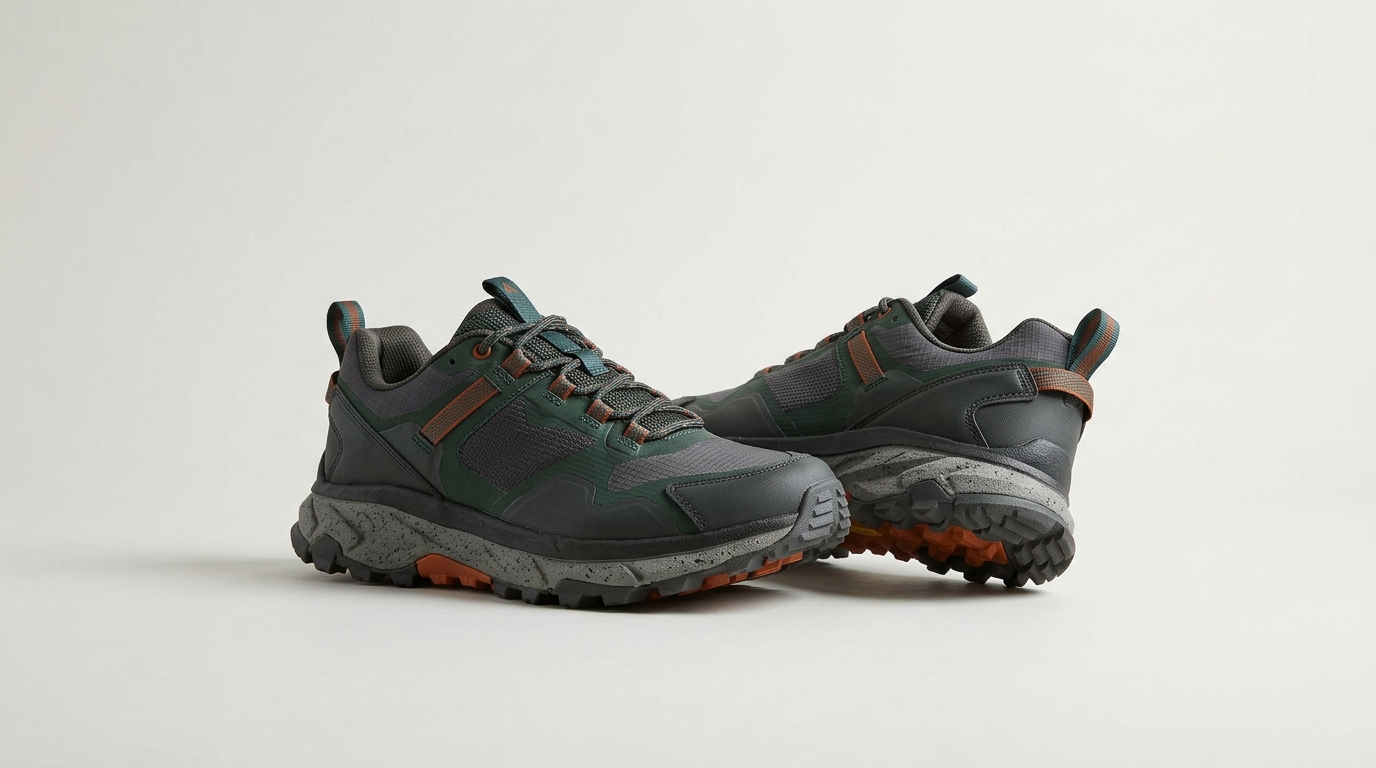
In the morning, wear supportive shoes with a firm sole, and avoid flat, flexible footwear that lets the midfoot move excessively. If you have an orthotic, wear it from the start of the day.
During the day, avoid uneven ground and sudden side-to-side movements. If the outer foot aches, rest and ice it rather than pushing through.
In the evening, ice the area if it is sore, do gentle foot and ankle strengthening if you have been shown exercises, and track whether the pain is improving week by week. A plateau beyond two weeks deserves a follow-up.
Frequently asked questions
Where does cuboid syndrome hurt?
Along the outer side of the midfoot, around the cuboid bone in front of the heel. The pain is usually localised and worsens with walking or standing.
Is cuboid syndrome the same as a fracture?
No. It is a subtle shift of the cuboid bone with irritation of the surrounding joint, not a break. Fractures usually follow a clear injury and show on X-ray, while cuboid syndrome often does not.
Can cuboid syndrome heal on its own?
Sometimes rest alone settles it, but many people need a manual adjustment plus supportive footwear or orthotics to fully resolve the pain and keep it from returning.
Why is cuboid syndrome often missed?
Because the pain mimics a sprain or fracture and the bone shift rarely shows on imaging, it is often overlooked unless the clinician specifically checks the cuboid joint.
How long does cuboid syndrome take to heal?
With proper treatment, many cases improve within a few weeks. Recurrent cases need attention to foot mechanics, footwear, and strengthening to stay away.
Sources
- Cleveland Clinic — Cuboid Syndrome: Symptoms, Causes and Treatment
- American Academy of Orthopaedic Surgeons — Midfoot Injuries
- Mayo Clinic — Foot Pain: Causes and When to Seek Care
This article is for information only and is not medical advice. If your foot pain is severe, sudden, or not improving, talk to a healthcare professional for a proper diagnosis.