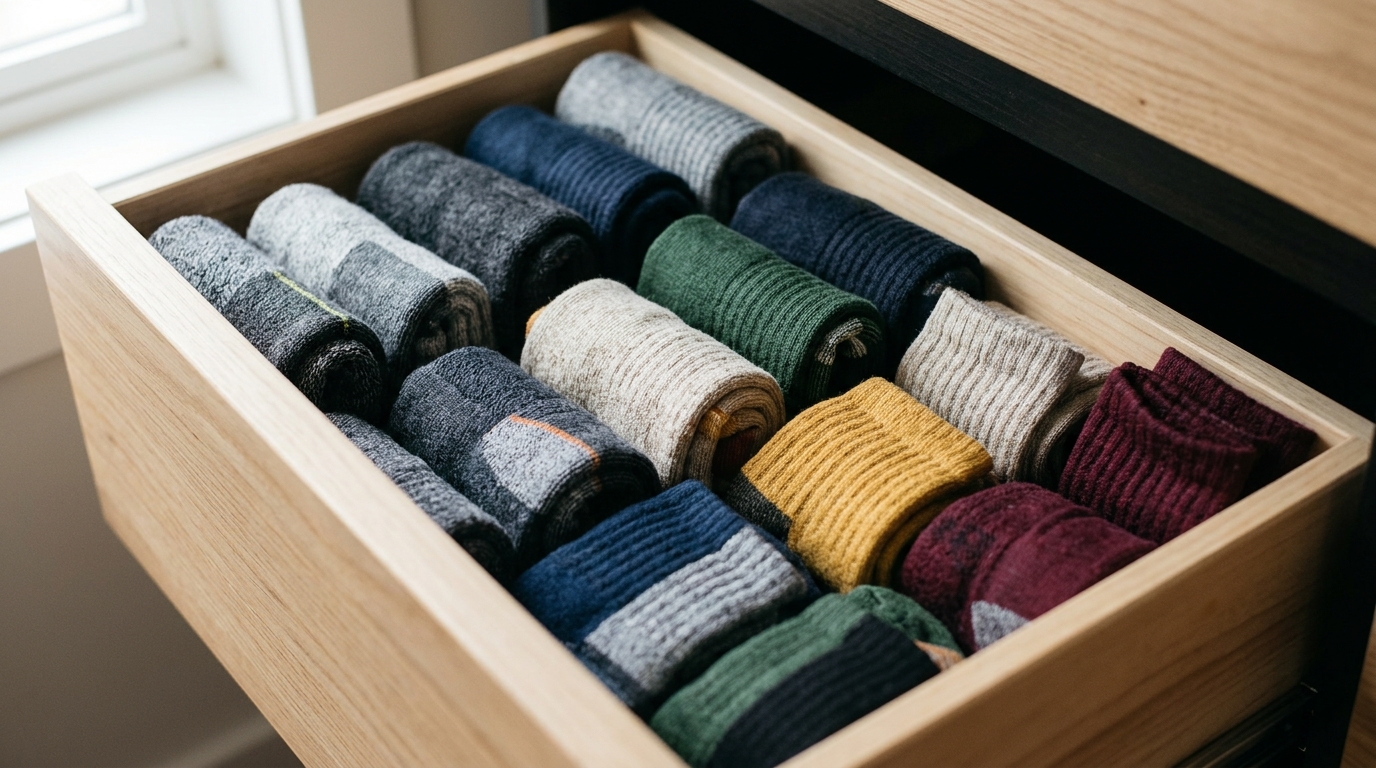
The best socks for foot pain depend on what is causing the pain, but a few features help almost everyone: cushioned soles, a snug (not tight) fit, moisture-wicking fabric, and a reinforced heel and toe. For arch and heel pain, look for socks with built-in arch support bands. For swollen feet, choose non-binding diabetic-style socks that do not cut into the calf. For sweaty feet, moisture-wicking blends beat cotton. And for plantar fasciitis, compression socks can ease morning soreness. The right sock will not cure a foot condition, but the wrong one — thin, loose, cotton, and bunching under your foot — can absolutely make pain worse.
See a doctor promptly if you notice any of these:
- Foot pain that does not improve with rest, better shoes, and supportive socks
- Swelling in one foot or leg, especially with pain or redness
- Numbness, tingling, or color changes in your feet
- Sores or blisters caused by socks rubbing, especially if you have diabetes
- Swelling that leaves deep sock marks and does not fade
Why socks matter more than you think
Socks are the layer between your foot and your shoe, and they do more work than they get credit for. They cushion impact, reduce friction, wick away sweat, and hold the foot steady inside the shoe. A bad sock bunches up under the arch, slides down into the shoe, traps sweat against the skin, and leaves seams pressing into toes — all of which add up to blisters, odor, and aching feet by the end of the day.
A good sock does the opposite. Cushioning absorbs some of the impact of every step, which matters a lot if you have heel pain or metatarsalgia. A snug fit keeps the sock from wrinkling under the foot, which prevents friction blisters. Moisture-wicking fabric keeps the skin drier, which lowers the risk of athlete’s foot and blisters. And targeted features — arch bands, compression zones, padded heels — add support exactly where a painful foot needs it.
The biggest single upgrade for most people is ditching plain cotton socks. Cotton absorbs sweat and stays wet, which softens the skin, increases friction, and encourages fungus. Modern blends of merino wool, nylon, and elastane wick moisture away and keep their shape all day. They cost more, but for anyone with foot pain, they are one of the cheapest improvements you can make.
Best socks for foot pain by problem
For plantar fasciitis and heel pain, choose cushioned socks with a firm arch support band. The arch band gently lifts and supports the arch, and the cushioning softens heel impact. Compression foot sleeves, worn overnight or during the day, can also ease the morning first-step pain that defines plantar fasciitis, by keeping the fascia gently stretched.
For arch pain and flat feet, look for socks with a structured arch band and a snug midfoot fit. The band acts like a light, built-in support, and it works best inside a supportive shoe rather than as a replacement for one.
For swollen feet, choose non-binding or diabetic socks. These have a loose, stretchy top that does not dig into the calf, so they do not restrict circulation or leave deep marks. They are also usually seamless, which matters if your feet are sensitive or you have diabetes.
For sweaty feet and blisters, moisture-wicking is the priority. Merino wool blends are excellent — they wick moisture, resist odor naturally, and stay comfortable across temperatures. Avoid cotton, and change socks midday if your feet sweat heavily.
For neuropathy or sensitive feet, seamless, softly cushioned socks are best. Seams pressing on toes can cause sores that go unnoticed when feeling is reduced, so seamless construction and a gentle, non-binding fit are worth seeking out.
How to choose and care for them
Fit comes first. Socks should hug the foot without squeezing it — if the elastic leaves deep marks on your calf, the sock is too tight, and if the sock slides down or bunches, it is too loose. Buy the right size for your shoe size, not just “one size fits all,” and try them with the shoes you actually wear.
Check the fabric label. Look for merino wool, CoolMax, nylon, or polyester blends with a little elastane for stretch. Avoid 100% cotton for all-day wear. For cushioning, “light cushion” suits everyday wear, while “medium” or “full cushion” helps for standing jobs, hiking, or heel pain.
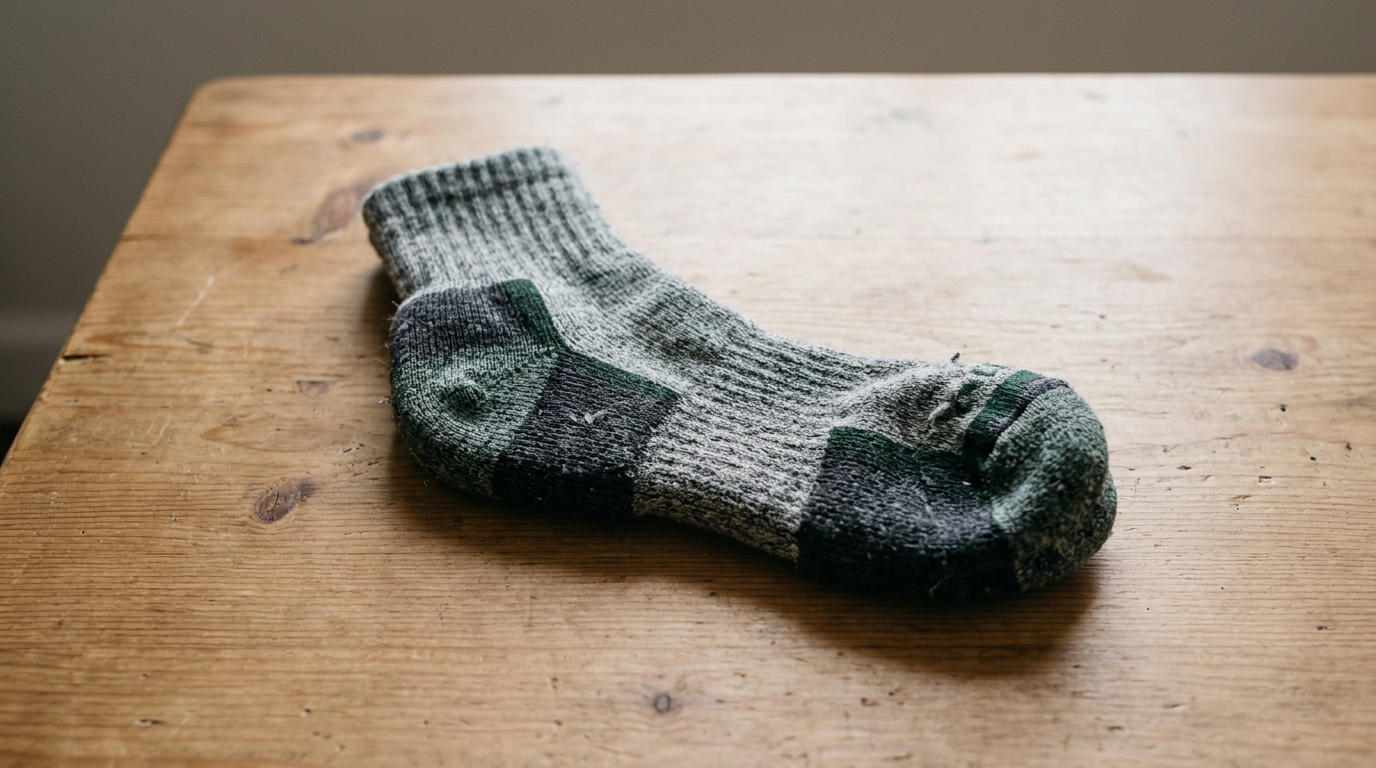
Replace socks when they lose their shape. Socks that have gone baggy, thin in the heel, or lost their elastic are no longer doing their job — they bunch, they slide, and they cause friction. Most daily-wear socks last six to twelve months of regular use. Wash them inside out in cool water and skip the fabric softener, which coats the fibers and reduces wicking.
Finally, remember that socks support good shoes — they do not replace them. If your foot pain persists despite better socks and shoes, get it checked. Socks can ease symptoms, but they cannot fix a stress fracture, nerve compression, or arthritis.
Frequently asked questions
Are compression socks good for foot pain?
They can help, especially for plantar fasciitis morning pain and for swelling from standing all day. Choose light to moderate compression (15–20 mmHg) unless a doctor advises stronger, and do not wear them if you have artery disease without medical advice.
Are cotton socks bad for your feet?
Not terrible for short wear, but cotton holds sweat against the skin, which increases friction, blisters, and fungus risk. For all-day wear or foot pain, moisture-wicking blends are a clear upgrade.
What socks are best for plantar fasciitis?
Cushioned socks with a firm arch support band, worn inside supportive shoes. Compression foot sleeves can also help with morning heel pain.
Should people with diabetes wear special socks?
Yes — seamless, non-binding diabetic socks are recommended. They avoid pressure points and do not restrict circulation, which lowers the risk of sores going unnoticed.
How often should I replace my socks?
When they lose elasticity, go thin in the heel, or start bunching — typically every six to twelve months for daily-wear pairs.
Sources
- American Diabetes Association — Foot Care and Sock Selection
- Mayo Clinic — Plantar Fasciitis: Self-Care
- Cleveland Clinic — Compression Socks: Benefits and Risks
This article is for information only and is not medical advice. If your foot pain is severe, sudden, or not improving, talk to a healthcare professional for a proper diagnosis.