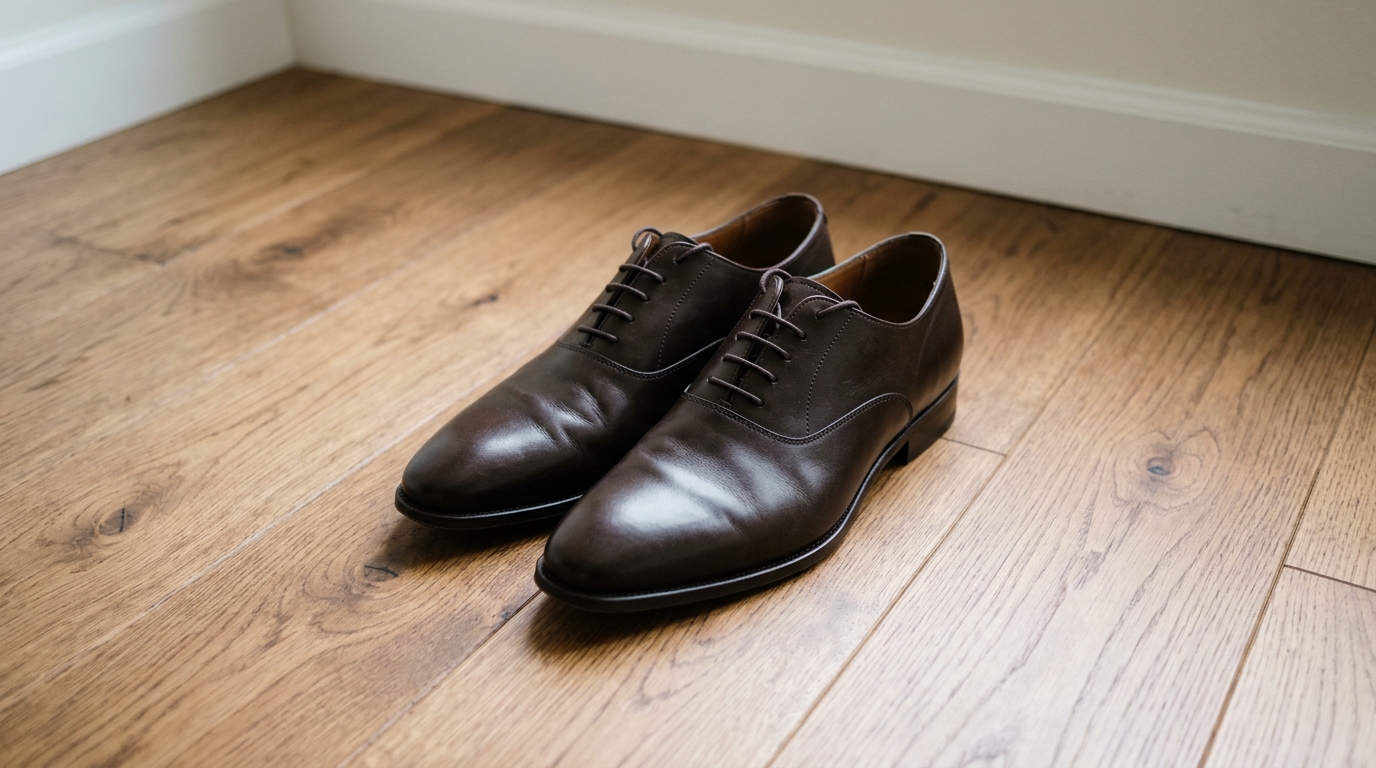
Signs your shoes are too small are easy to miss because feet adapt slowly and shoes feel “broken in” long after they have become too tight. The clearest signs are toes touching or pressing against the front of the shoe, blisters or red marks on your toes or heels, numbness or tingling in your toes, toenails turning dark or bruised, and foot pain that eases when you take your shoes off. If you regularly remove your shoes and feel relief, or you have developed bunions, corns, or hammertoes, your shoes are very likely too small. The fix is simple: measure your feet standing up, buy for your larger foot, and make sure there is a thumb’s width between your longest toe and the end of the shoe.
See a doctor promptly if you notice any of these:
- A toenail that turns black, lifts, or falls off after pressure from shoes
- Blisters or sores that do not heal, especially if you have diabetes
- Numbness or tingling that does not fade after removing your shoes
- A bunion or hammertoe that is getting worse or becoming painful
- Foot pain that persists even in well-fitting shoes
Why so many people wear shoes that are too small
Most adults wear the shoe size they have worn for years, without ever re-measuring. But feet change: they spread with age, after pregnancy, and with weight gain, and they swell during the day. A size that fit at twenty-five may be too small at fifty, and a size that fits in the morning may pinch by evening. Add vanity sizing differences between brands, and it is no surprise that studies consistently find a large share of adults wearing shoes that do not fit.
Feet also adapt to tight shoes gradually, so the warning signs creep up. A little pressure on the toes becomes normal, a recurring blister becomes “just how these shoes are,” and a bunion grows slowly over years. People often blame the shoe style, the brand, or their feet themselves, when the real problem is simply size.
The cost is real. Shoes that are too small cause blisters, corns, calluses, ingrown toenails, bunions, hammertoes, and black toenails. They compress nerves, causing numbness and tingling, and they change how you walk, which can lead to knee, hip, and back pain. Almost all of it is preventable with a proper fit.
Signs your shoes are too small
Your toes touch the front of the shoe. Stand up in your shoes and press the front: you should feel about a thumb’s width (roughly half an inch) between your longest toe and the end of the shoe. If your toes touch the end, or curl slightly to fit, the shoe is too short.
You get blisters, red marks, or sore spots in the same places. Recurring blisters on the heels, red marks across the toes, or sore spots on the sides of the feet all point to a fit problem. Check your feet after taking your shoes off — red marks that take more than a few minutes to fade mean pressure.
Your toes go numb or tingle. Compression of the nerves in the forefoot causes numbness, tingling, or a “falling asleep” feeling in the toes, especially during longer walks. If it fades quickly after removing your shoes, the shoes are the likely cause.
Your toenails bruise or turn dark. Repeated pressure on the toenails, especially during running or downhill walking, causes bleeding under the nail — a black toenail. It is a classic sign of shoes that are too short or too tight in the toe box.
Taking your shoes off brings instant relief. If your feet sigh with relief the moment the shoes come off, or you regularly kick them off under your desk, they are too tight. Comfortable shoes should feel fine all day.
You have developed bunions, corns, or hammertoes. These develop over years of pressure on the forefoot. Narrow toe boxes squeeze the toes together, pushing the big toe inward (bunions) and forcing smaller toes to buckle (hammertoes).
How to fix it
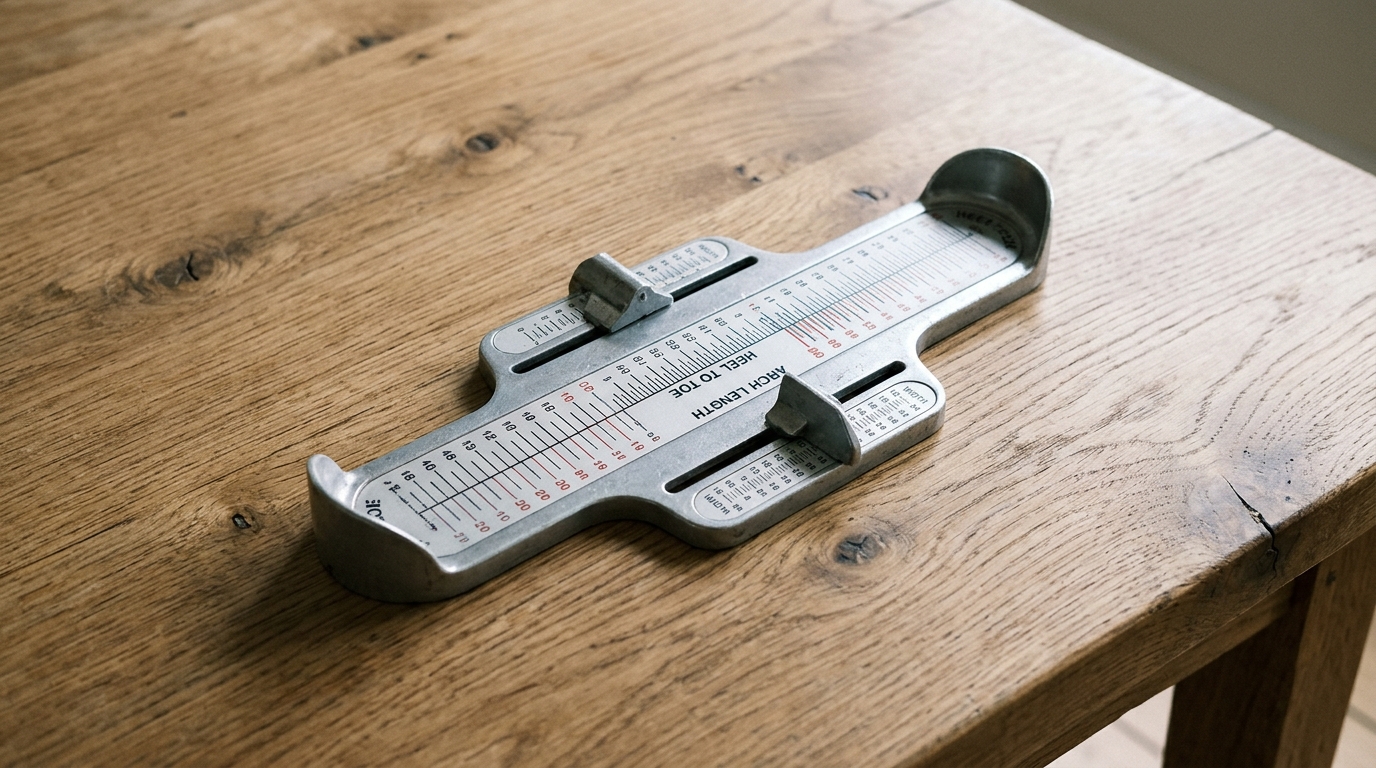
Measure your feet standing up, in the afternoon, wearing the socks you normally wear. Feet spread under weight and swell during the day, so this gives your true size. Measure both feet and buy for the larger one.
Check the toe box, not just the length. A shoe can be the right length and still too narrow. Your toes should be able to wiggle and spread inside the shoe, not be squeezed together. If you need width, buy a wide (2E) fit rather than sizing up in length — a longer shoe that is still narrow does not fix the problem.
Try shoes on properly. Walk around the store for several minutes, not just a few steps. Shop in the afternoon when feet are largest, and bring your usual socks and any orthotics. If a shoe needs “breaking in” to feel comfortable, it does not fit — good shoes feel good immediately.
Replace problem shoes, even if they are new. A shoe that hurts will not get better with wear, and continuing to wear it risks permanent changes like bunions. If foot pain persists in well-fitting shoes, see a podiatrist to check for underlying problems.
Frequently asked questions
How much room should there be in front of my toes?
About a thumb’s width — roughly half an inch — between your longest toe and the end of the shoe, measured while standing.
Are my shoes too small if only one foot hurts?
Quite possibly. Most people have one foot larger than the other, and shoes bought for the smaller foot will pinch the larger one. Always buy for your larger foot.
Can tight shoes cause bunions?
They can contribute significantly. Narrow toe boxes push the big toe inward over years, and while genetics play a role, tight shoes accelerate bunion development.
Do shoes stretch enough to fix a tight fit?
Leather shoes stretch a little in width, but not enough to fix a shoe that is truly too short or narrow. A shoe that hurts on day one is the wrong size.
Why do my shoes feel tight by evening?
Feet swell during the day from standing and walking. That is normal — it is why you should shop for shoes in the afternoon, when your feet are at their largest.
Sources
- American Podiatric Medical Association — Proper Shoe Fit
- Mayo Clinic — Bunions and Hammertoes: Causes
- Cleveland Clinic — Black Toenails and Shoe Fit
This article is for information only and is not medical advice. If your foot pain is severe, sudden, or not improving, talk to a healthcare professional for a proper diagnosis.