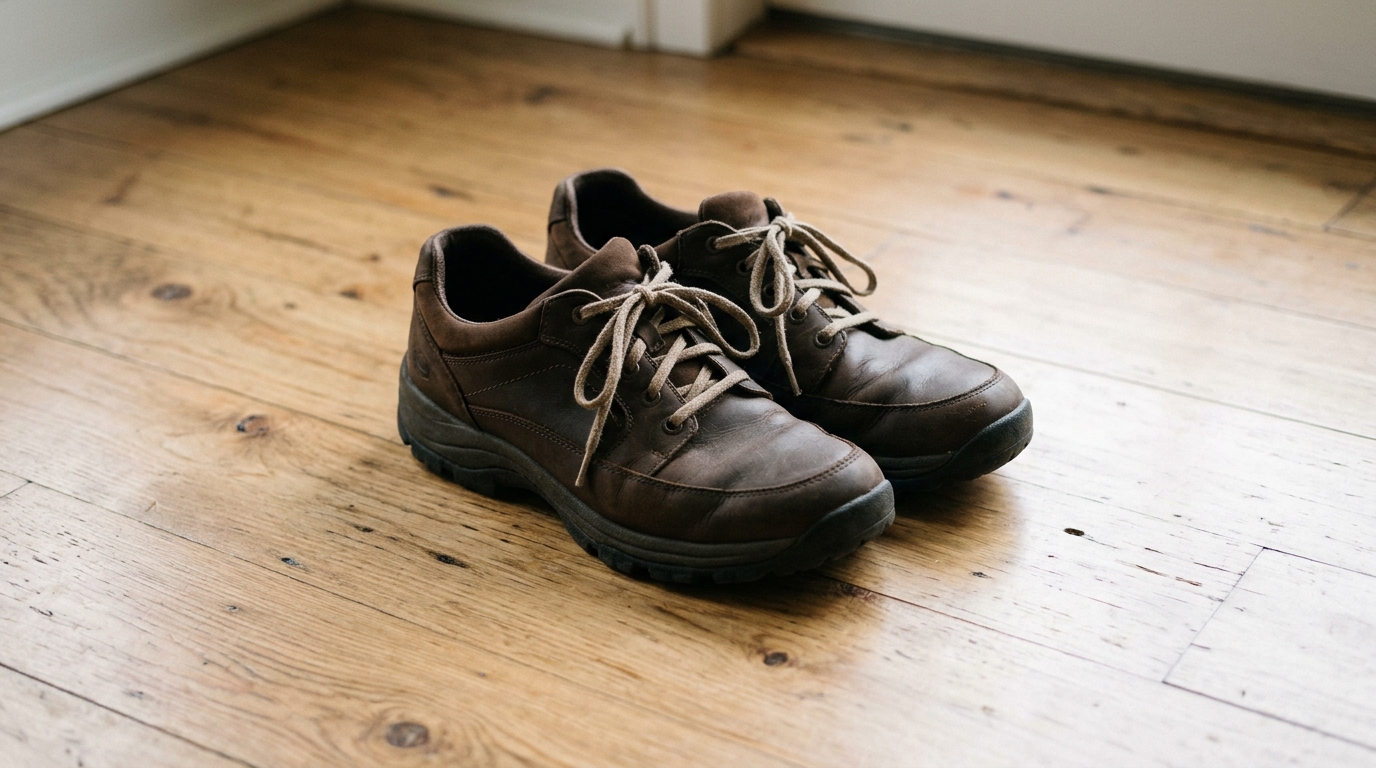
Do feet get bigger with age? For most people, yes. Feet commonly grow by half a shoe size or more over the decades, not because the bones keep growing, but because the ligaments and tendons that hold the foot together gradually loosen, the arches flatten slightly, and the foot spreads out — longer and wider. Weight gain, pregnancy, and years of standing add to the effect. That is why shoes that fit perfectly at thirty can feel tight at fifty, and why getting your feet measured as an adult is worth doing. If your shoes suddenly feel tight, it is usually your feet changing, not your shoes shrinking.
See a doctor promptly if you notice any of these:
- Sudden swelling in one foot, especially with pain or redness
- Feet that change size rapidly over weeks rather than years
- New foot pain, numbness, or color changes alongside the size change
- A foot that flattens suddenly or an arch that collapses
- Swelling that does not go down overnight, or that comes with shortness of breath
Why feet spread as you age
The foot is a remarkable structure: 26 bones held together by more than a hundred muscles, tendons, and ligaments, forming arches that act like springs. In youth, those ligaments are tight and springy. Over decades, they gradually stretch and lose some elasticity — the same kind of change that makes skin less firm. As the ligaments loosen, the arches settle lower, the foot lengthens slightly, and the forefoot spreads wider.
Gravity and body weight do the rest. Every step loads the foot with more than your body weight, and decades of that loading gradually flatten the arches and widen the foot. Weight gain accelerates the process, since heavier loads stretch the ligaments further. Pregnancy has a similar effect: the hormone relaxin loosens ligaments throughout the body, and many women find their feet permanently a half size larger after pregnancy.
The change is usually gradual — a half size over ten or twenty years is typical — and it affects width as often as length. Many people keep buying the same shoe size out of habit and end up in shoes that are too narrow, which causes bunions, corns, hammertoes, and forefoot pain. The shoe did not shrink; the foot spread.
What this means for your shoes
The practical answer is simple: get your feet measured, and do it standing up. Feet spread under body weight, so a seated measurement underestimates your true size. Measure both feet — most people have one foot slightly larger than the other — and buy for the larger one. Measure in the afternoon, when feet are at their largest after a day of standing.
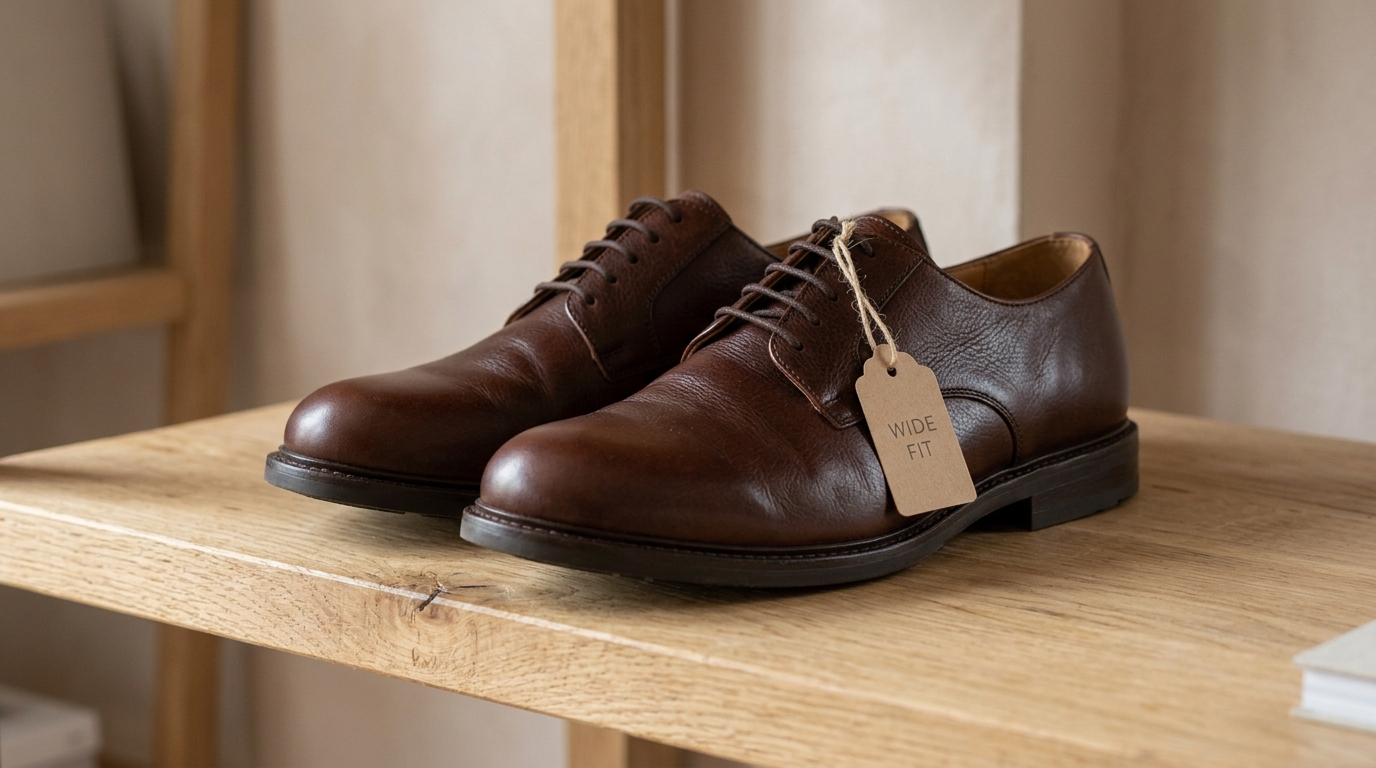
Choose shoes with a wide enough toe box. If your toes feel cramped, or you develop red marks on the sides of your feet, the shoe is too narrow even if the length feels right. Many brands offer wide (2E) and extra-wide (4E) fits, and switching to a wide fit often solves problems that people blame on the shoe’s length.
Replace shoes when they stop supporting you. As arches flatten with age, shoes with good arch support and a firm heel counter matter more, not less. Worn-out shoes with collapsed insoles let the foot spread further and pronate more, which feeds the cycle of pain. If you have flat feet or arch pain, an insole or orthotic can restore some of the support the ligaments no longer provide.
Finally, do not ignore sudden changes. Gradual spreading over years is normal. A foot that swells or changes shape over weeks is not — that can signal injury, tendon problems, arthritis, or circulation issues, and it deserves a medical check.
Keeping aging feet comfortable
You cannot stop ligaments from loosening, but you can slow the consequences. Keep your weight in a healthy range, since extra weight loads the arches directly. Strengthen the small foot muscles with toe spreads, toe curls, and picking up a towel with your toes — stronger muscles support the arch from inside. Stretch your calves regularly, since tight calves pull the arch flat with every step.
Wear supportive shoes for most of the day, and save flat, unsupportive shoes — thin ballet flats, flip-flops, worn-out sneakers — for short outings. And get your feet measured every few years, or whenever your usual size starts feeling tight. It is a five-minute check that prevents a lot of foot pain.
Feet changing with age is normal, not a failure. The mistake is pretending they have not changed and squeezing them into the same shoes for decades.
Frequently asked questions
Do feet really get bigger with age?
Yes, for most people. Ligaments loosen and arches flatten over decades, so feet typically get longer and wider by half a size or more.
How much bigger do feet get?
About half a shoe size over ten to twenty years is typical, though pregnancy, weight gain, and years of standing can add more. Width often increases as much as length.
Should I buy bigger shoes as I age?
Buy shoes that fit your feet now, not the size you used to wear. Get measured standing up, in the afternoon, and buy for your larger foot.
Can I stop my feet from getting bigger?
You cannot stop ligaments from loosening, but healthy weight, foot-strengthening exercises, calf stretching, and supportive shoes slow the flattening and spreading.
Is sudden foot growth a warning sign?
Yes — a foot that swells or changes shape over weeks, rather than years, should be checked by a doctor, especially if there is pain, redness, or one-sided swelling.
Sources
- American Podiatric Medical Association — Foot Aging and Shoe Fit
- Mayo Clinic — Flat Feet: Causes and Care
- Cleveland Clinic — Why Feet Change With Age
This article is for information only and is not medical advice. If your foot pain is severe, sudden, or not improving, talk to a healthcare professional for a proper diagnosis.