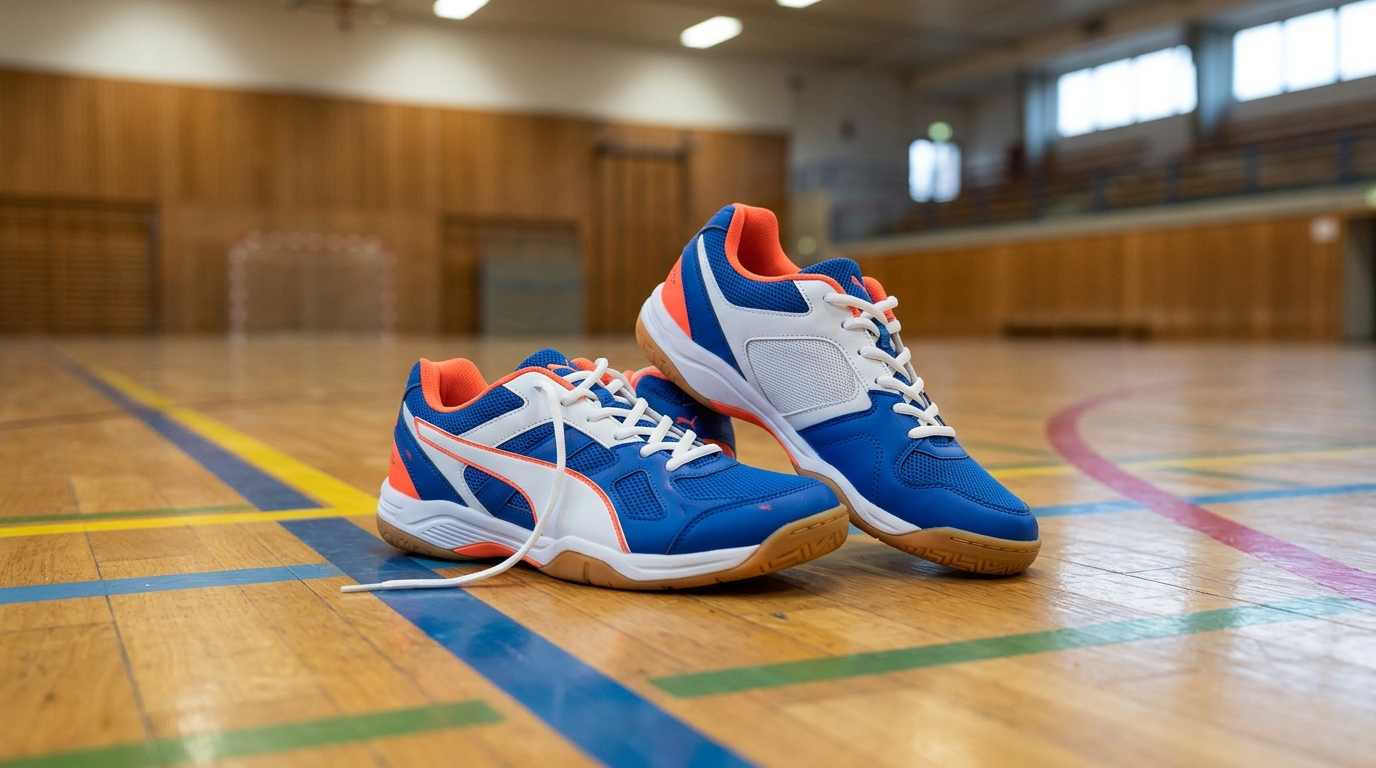
Quick Answer: In short, foot pain from handball usually comes from a fast indoor game full of pivots, jumps, and hard landings — spinning on one foot twists your arches, repeated jumps pound your heels, and sudden stops load the ball of your foot. It usually eases with rest, proper court shoes, and stretching. If it stays sharp, lasts more than a couple of weeks, or comes with swelling, get it checked by a doctor or podiatrist.
See a doctor promptly if you notice:
- Sharp or severe pain in the heel, arch, or a single spot on a bone
- Pain that makes walking or putting weight on your foot difficult
- Swelling, redness, or warmth that doesn’t settle within a day or two
- Numbness, tingling, or a burning feeling in your foot or toes
- Pain that keeps coming back after every game despite rest
Why Handball Can Hurt Your Feet
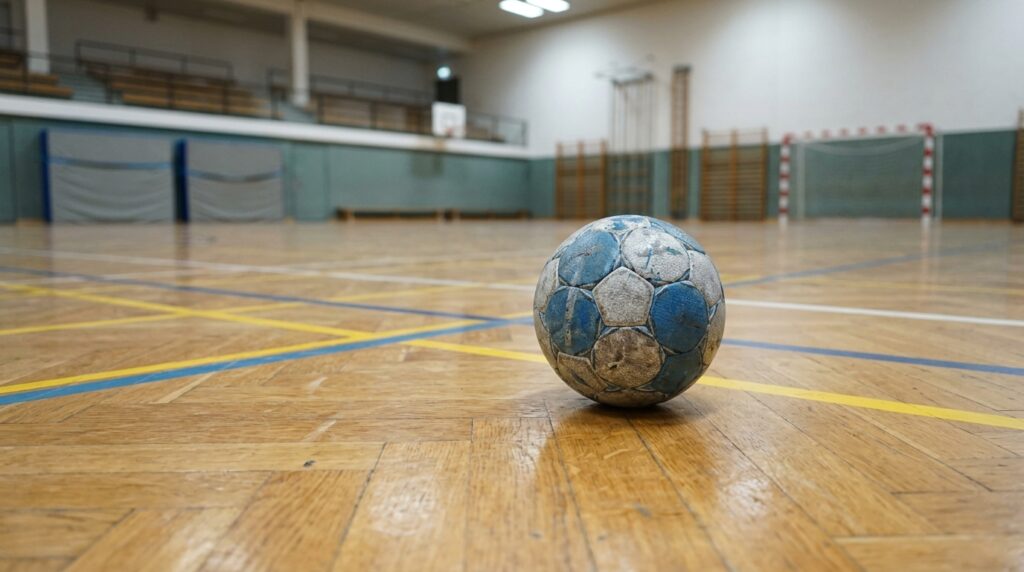
Handball is a game of sudden moves on a hard floor. You sprint, plant one foot to pivot around a defender, jump to shoot, then land and do it all again — often with a defender bumping into you mid-air. Foot pain from handball comes from that mix of twisting, jumping, and landing, all on an indoor court that gives your feet no cushioning at all.
The pivot is the move that hurts most. Unlike running, where your feet point where you’re going, a handball pivot spins your whole body around a planted foot. Your forefoot stays glued to the floor while your body rotates, and that twisting force travels straight into your arch and ankle. Our guide to foot pain from basketball covers the same pivot-and-jump soreness on a hard indoor court.
What It Is: The Most Common Causes
Pivot strain is the biggest culprit. Every spin and fake plants your weight on one foot and twists it, and the arch absorbs the load. Players who pivot hard on the same foot all game often feel a dull ache under the arch that worsens as the match goes on.
Heel pain from jumping is another frequent complaint. Jump shots bring you down hard, and landing on a stiff indoor floor jolts your heels with every jump. If your calves are tight — and they usually are by the second half — the heel takes even more of the load, and that morning-after ache is the result.
Forefoot soreness builds up quietly. Sprinting down the court and stopping dead to shoot loads the ball of your foot again and again, and it often feels like a bruise under the forefoot that fades slowly between games.
Blisters and bruised toenails hurt too. Handball shoes fit snugly for quick changes of direction, but a tight toe box jams your big toe against the front of the shoe every time you stop hard. A toenail that turns dark after a game is usually a sign your shoes are too tight or too short. Our guide to foot pain from volleyball explains how repeated hard landings build up into lasting soreness — the same pattern shows up in handball.
What Helps: Shoes That Work With Your Feet
The first fix is wearing real indoor court shoes, not running shoes. Running shoes are built to move forward; their high heels and soft edges roll when you pivot or push sideways, which puts extra strain on your ankles and arches. Indoor court shoes are flatter, stiffer, and built for lateral movement and sudden stops.
Fit matters just as much. Your court shoes should feel snug around the heel and midfoot but leave a thumb’s width of space in front of your longest toe. If your toes hit the front when you stop hard, go up half a size. And if your arches ache after every game, try supportive insoles: they spread the load across your whole foot instead of letting your arch take it all. The Cleveland Clinic notes that arch support can ease the strain on the plantar fascia during cutting sports.
Replace your court shoes before the tread goes smooth — worn soles slip, and every slip forces your feet to catch your balance suddenly.
What Helps: Recovery After a Game
After a sore game, get out of your court shoes and into something soft and supportive. Ice the sore spot for ten to fifteen minutes if it’s swollen or tender, and roll the bottom of your foot over a tennis ball to loosen tight tissue.
Rest a day if the ache is still there the morning after — playing through sore feet changes how you move, and that turns a small ache into a real injury.
Your Daily Routine for Happier Feet on the Court
Here’s a routine to keep your feet comfortable through the handball season:
- Stretch your calves and arches daily: A wall calf stretch and a few ankle circles each morning take two minutes and keep your heels and arches loose.
- Strengthen your feet: Toe spreads, towel scrunches, and single-leg balance build the small muscles that support your arches.
- Warm up before every game: Five minutes of light running, pivots, and gentle jumps.
- Check your court shoes before every game: Fit, tread, and lateral support — not running shoes.
- Recover after every session: Roll sore feet over a tennis ball, ice anything swollen, and swap into supportive shoes.
FAQs
Is foot pain from handball normal?
Mild soreness in the arches or heels is common early in the season and usually fades with rest and proper court shoes. Sharp or persistent pain is not normal and should be checked.
Why do my arches hurt after handball?
Every pivot plants your full weight on one foot and twists it, and your arch absorbs most of that force. Tight calves and court shoes with little arch support make the strain worse.
Can handball cause plantar fasciitis?
Handball can irritate the plantar fascia, especially with tight calves and worn-out court shoes. Rest, calf stretching, and supportive insoles usually help — persistent heel pain should be checked by a doctor.
Should I wear running shoes for handball?
No — running shoes are built for forward motion and can roll when you pivot or push sideways. Indoor court shoes are flatter and stiffer, which keeps your foot stable during pivots and jumps.
When should I see a doctor about foot pain from handball?
See a doctor promptly if the pain is sharp or severe, if swelling doesn’t settle, if you can’t put weight on your foot, or if it keeps coming back despite rest and new shoes.
Sources
- Mayo Clinic — plantar fasciitis causes and symptoms
- Cleveland Clinic — arch pain and calf tightness information
- American Podiatric Medical Association — foot strengthening exercises
This article is for general information only and is not medical advice. Talk to your doctor or a podiatrist about your own feet.