Quick Answer: In short, foot pain from sailing usually comes from standing and bracing on a wet, tilting deck for hours — your arches and calves work overtime to keep you upright, your feet slide and grip with every tack, and hard boat shoes or bare feet offer little cushioning. It usually eases with rest, supportive boat shoes, and stretching. If the pain is sharp or lasts more than a couple of weeks, get it checked by a doctor or podiatrist.
See a doctor promptly if you notice:
- Sharp or severe pain in the heel, arch, or a single spot on a bone
- Pain that makes walking or putting weight on your foot difficult
- Swelling, redness, or warmth that doesn’t settle within a day or two
- Numbness, tingling, or a burning feeling in your foot or toes
- Pain that keeps coming back after every sail despite rest and better shoes
Why Sailing Can Hurt Your Feet
Sailing looks graceful from the shore, but your feet work hard the whole time. The deck under you is wet, tilted, and moving, and your feet are the only thing keeping you upright. Every gust heels the boat over, every wave rocks it under you, and your feet grip and brace without you ever thinking about it. By the end of a long day, those small muscles are genuinely tired.
That’s what makes foot pain from sailing different from most sports. You aren’t pounding or cutting — you’re holding a constant, low-level strain for hours, with short bursts of effort when you tack or run to the rail. The wet deck makes it worse: your feet slide inside your shoes, your skin softens, and blisters form where they’d never rub on dry land. And if you sail barefoot, your soles take the full force of every hard surface on the boat. Our guide to foot pain from surfing covers a similar wet-conditions problem, with your feet braced hard against a board for hours at a time.
What It Is: The Most Common Causes
Constant bracing is the biggest culprit. When the boat heels, your feet press sideways against the deck and your toes curl to hold on. Do that for four or five hours and the arches and small muscles along the bottom of your foot get exhausted and sore.
Blisters and soft, waterlogged skin are another frequent complaint. Hours in wet boat shoes leave your skin pruned and fragile, and then every step rubs it raw. The heel and the ball of the foot are the usual hot spots. Sailing barefoot avoids the soggy-shoe problem but brings its own risks: stubbed toes, bruised soles, and cuts from rough deck surfaces.
Cramped toes hurt too. Boat shoes and deck shoes are often narrow and flat, with almost no arch support. Your toes get squeezed for hours, and if the shoe is a little small, they jam against the front every time the boat lurches.
Cold water makes everything worse. Cold feet lose some feeling, so you may not notice small injuries until you’re back ashore and they start to throb. Our guide to foot pain from rowing explains how long hours of braced feet and damp conditions build up into the same kind of lingering soreness.
What Helps: Shoes That Work With Your Feet
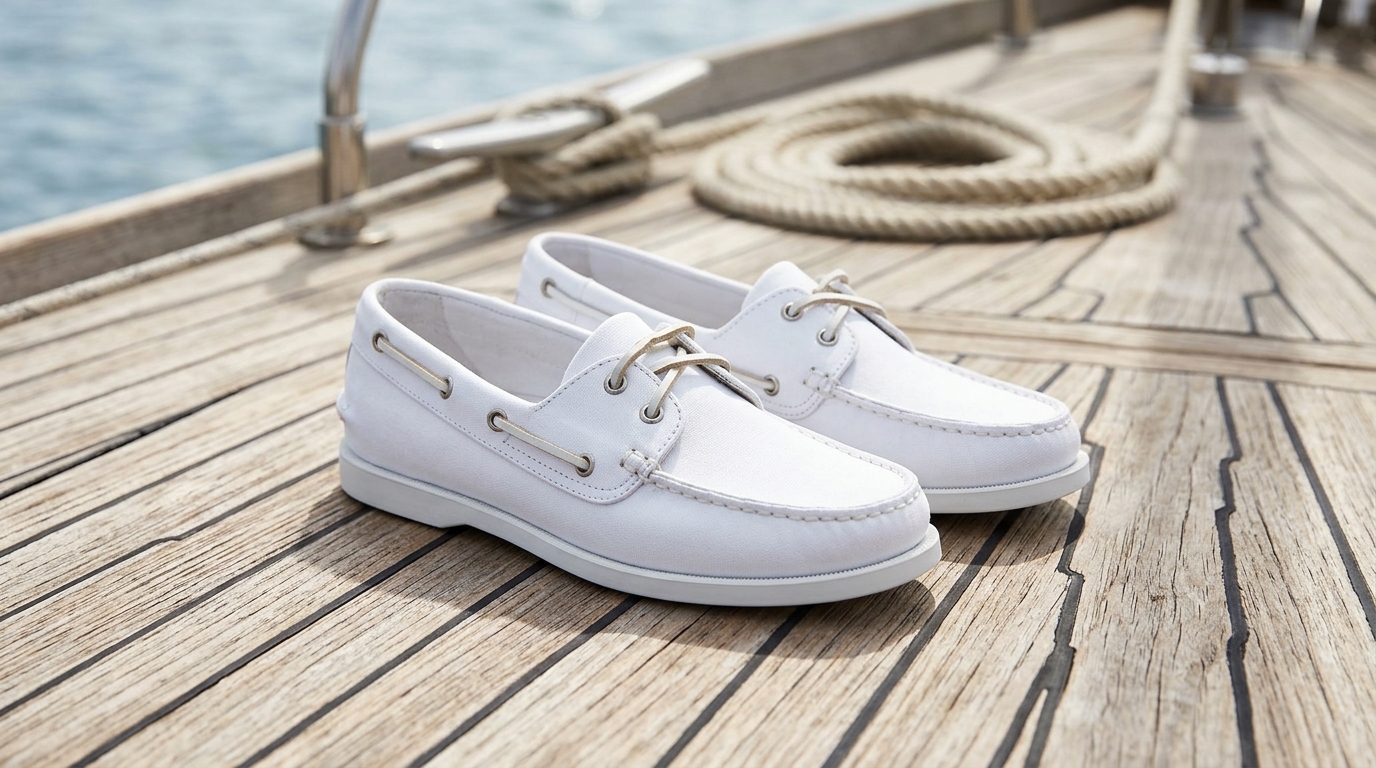
The first fix is footwear. A good pair of boat shoes should grip a wet deck, drain water away, and support your arch — and leave a thumb’s width of space in front of your longest toe. If your toes are jammed against the front when the boat heels, go up half a size. Flat, unsupportive deck shoes are fine for a short hop ashore, but for a full day’s sailing you want something with real cushioning and arch support.
If you sail barefoot, build up to it gradually. Bare feet get tougher over a season, but jumping straight into a long barefoot sail will leave your soles raw and bruised.
Keep your feet as dry as you can — change into dry socks between races and bring a spare pair of shoes if you can. Dry feet blister far less than wet ones, and a quick change at lunchtime helps.
What Helps: Recovery After a Sail
Once you’re ashore, get out of your wet shoes and into something dry and supportive. Wash your feet with fresh water, dry them thoroughly — especially between the toes — and check for blisters or cuts.
Soak sore feet in warm water for ten to fifteen minutes, then roll the bottom of each foot over a tennis ball to loosen tight tissue. If a spot is swollen or tender, ice it for ten to fifteen minutes. Take a rest day if the ache is still there the next morning — tired feet change how you walk, and that compensation turns a small ache into a real injury.
Your Daily Routine for Happier Feet on the Water
Here’s a routine to keep your feet comfortable this sailing season:
- Stretch your calves and arches daily: A wall calf stretch and a few ankle circles each morning take two minutes and keep your heels and arches loose.
- Strengthen your feet: Toe spreads, towel scrunches, and single-leg balance build the small muscles that hold you steady on a moving deck.
- Check your boat shoes before every sail: Fit, grip, and drainage — worn-out soles slip on a wet deck.
- Pack dry socks and a spare pair of shoes: A midday change keeps your feet dry and blister-free.
- Recover after every sail: Rinse, dry, and check your feet, roll sore spots over a tennis ball, and ice anything swollen.
FAQs
Is foot pain from sailing normal?
Mild soreness in the arches or the balls of your feet after a long day on the water is common and usually fades with rest and better-fitting boat shoes.
Why do my arches hurt after sailing?
Your arches spend hours gripping and bracing against a tilting, moving deck, and the small muscles that support them get exhausted — flat boat shoes with little arch support make it worse.
Is it better to sail barefoot or in boat shoes?
Boat shoes protect your feet from hardware, cuts, and bruises, and good ones support your arches. Barefoot sailing works on a familiar deck once your feet are toughened up — but build up to it gradually.
How do I stop blisters when sailing?
Keep your feet as dry as possible, wear well-fitting boat shoes with good grip, change into dry socks midday, and tape hot spots before you head out. Wet, sliding feet blister far faster than dry ones.
When should I see a doctor about foot pain from sailing?
See a doctor promptly for sharp or severe pain, swelling that doesn’t settle, trouble putting weight on your foot, or pain that keeps coming back after every sail despite rest.
Sources
- Mayo Clinic — blister prevention and foot skin care
- Cleveland Clinic — arch pain and foot strengthening information
- American Podiatric Medical Association — foot strengthening exercises
This article is for general information only and is not medical advice. Talk to your doctor or a podiatrist about your own feet.