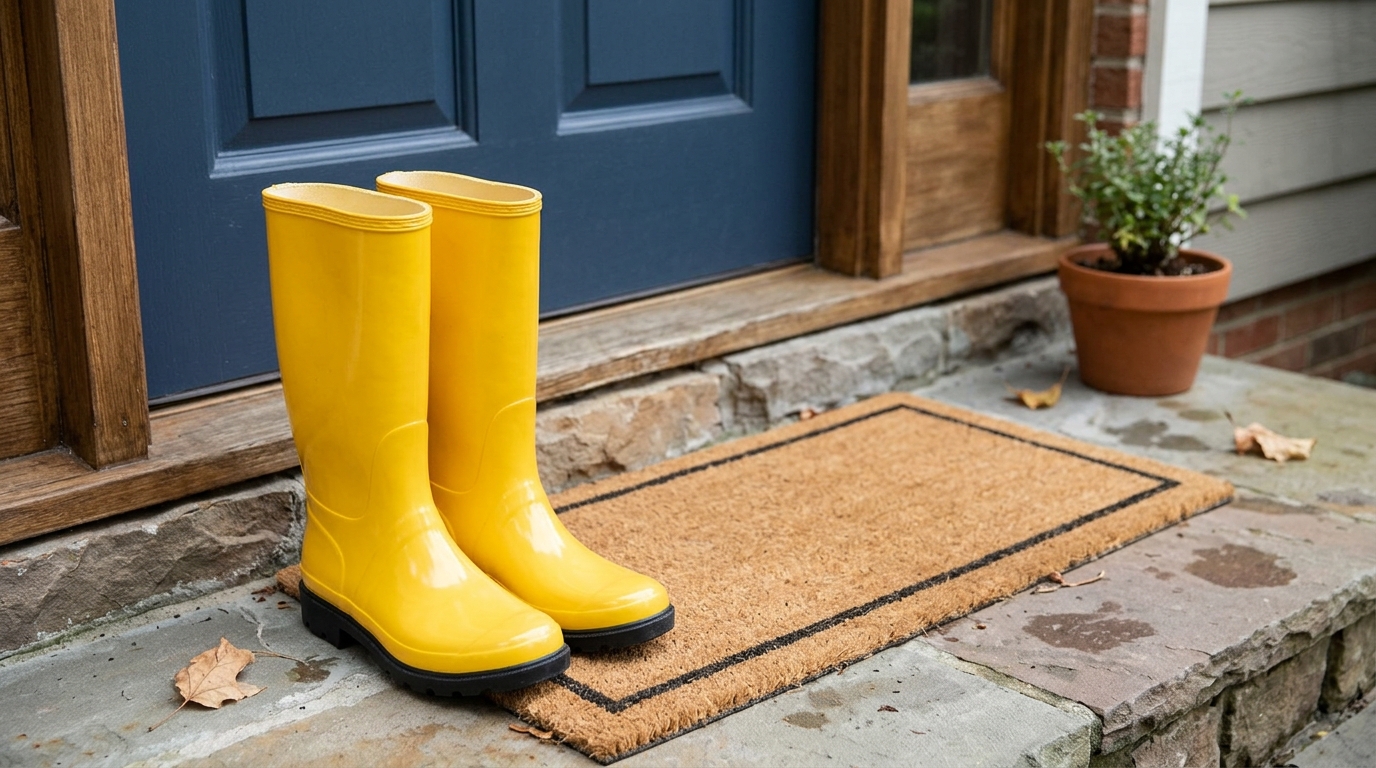
Quick Answer: In short, foot pain from rain boots is usually caused by the boots themselves: most rain boots have flat soles, no arch support, and a loose fit, so your feet work harder and can end up aching in the arches, heels, or balls of your feet. Add damp socks and long wear, and blisters join in too. The fix is better insoles, a good fit, and not wearing them all day when you can avoid it. If the pain is sharp, swollen, or keeps coming back, see a doctor or podiatrist.
See a doctor promptly if you notice:
- Sharp or severe pain in the heel, arch, or a single spot on a bone
- Pain that makes walking or putting weight on your foot difficult
- Swelling, redness, or warmth that doesn’t settle within a day or two
- Blisters that break open, look infected, or won’t heal
- Numbness, tingling, or a burning feeling in your foot or toes
Why Rain Boots Can Hurt Your Feet
Rain boots are brilliant at one job: keeping water out. Comfort wasn’t really part of the brief. Most pairs are made from a single piece of moulded rubber with a flat sole, no arch support, and no real cushioning — which is fine for a quick dash through a puddle, but not for hours on your feet.
The problem builds slowly. Your arch gets no support, so the muscles and ligaments underneath it have to hold your foot up on their own. Your heel lands on a hard, flat surface with every step. And because the boots are usually loose around the calf and ankle, your toes grip with each step to keep the boot on.
What It Is: The Most Common Causes
Lack of arch support is the biggest cause. Without any support under the arch, the plantar fascia — the band of tissue along the bottom of your foot — stretches more with every step, which can leave the arch and heel aching. The Mayo Clinic lists flat, unsupportive footwear among the common triggers for plantar fascia pain.
A loose, sloppy fit is the next culprit. Rain boots are sized generously so they slip on over shoes, and that extra room lets your foot slide around inside. Your toes curl to grip with each step, and blisters form where the boot rubs — especially at the heel and Achilles.
Thin, hard soles are another problem. Most rain boots have almost no cushioning, so there’s nothing to absorb the shock of walking on concrete or pavement. If hard surfaces are already a problem for you, our guide to foot pain from standing on concrete explains why flat, unforgiving ground is so hard on your feet.
Damp feet make everything worse. Even waterproof boots trap sweat, and wet skin blisters far more easily than dry skin. Cotton socks that soak through and stay wet are the worst combination.
What Helps: Making Rain Boots Comfortable
The single best fix is a supportive insole. A cushioned insole with arch support transforms a flat rubber boot — it gives your arch something to rest on and adds shock absorption for your heels. The American Podiatric Medical Association recommends insoles with firm arch support for flat footwear, and rain boots are a good place to start.
Fit matters just as much. Your rain boots should fit snugly enough that your heel doesn’t lift when you walk, with room for your toes to wiggle. If you usually wear them over shoes, buy a size that fits your bare or socked foot instead — wearing them over shoes makes them even looser and heavier. A thick pair of moisture-wicking socks also fills out the boot and keeps your feet drier than cotton.
Cushioning helps too: gel heel cups or a full-length cushioned insole soften the impact on hard ground.
The Cleveland Clinic notes that flat, unsupportive shoes are a common cause of arch and heel pain during long days on your feet — so if you know you’ll be walking for hours in the rain, consider a waterproof walking shoe with proper support instead of a rubber boot.
What Helps: When to Switch Footwear
Rain boots are best kept for short, wet trips — the school run, the garden, a muddy walk. If you’re going to be on your feet for hours, a waterproof shoe or boot with a proper sole, arch support, and a secure fit will treat your feet far better. If you spend long days in heavy boots already, our guide to foot pain from work boots covers the same support and fit fixes in a tougher setting.
If your feet still ache despite insoles and a better fit, get them checked — persistent arch or heel pain can be an early sign of plantar fasciitis.
Your Daily Routine for Wet Days in Rain Boots
Here’s a routine for days when the rain boots come out:
- Fit insoles first: Slip a cushioned insole with arch support into your boots, and check your heel doesn’t lift when you walk.
- Wear the right socks: Choose moisture-wicking socks, not cotton, and carry a spare pair so you can change into dry ones midday.
- Protect sore spots: Put moleskin or a blister plaster on any spot that usually rubs before you head out.
- Limit wear time: Wear the boots only while it’s wet — switch to supportive shoes as soon as you’re indoors or the rain stops.
- Care for your feet after: Dry your feet properly, stretch your calves and arches for a few minutes, and rest them if they ache.
FAQs
Why do my feet hurt after wearing rain boots?
Most rain boots have flat soles with no arch support or cushioning, and a loose fit that makes your toes grip with every step. That combination strains the arch and heel, and damp socks add blisters on top.
Are rain boots bad for your feet?
They’re fine for short, wet trips, but not for all-day wear. The flat sole and lack of support can cause arch and heel pain if you wear them for hours, especially on hard ground.
Can insoles fix rain boot foot pain?
In most cases, yes — a cushioned insole with arch support is the single most effective fix. It adds the support and shock absorption the boot lacks.
What socks should I wear with rain boots?
Moisture-wicking socks, such as wool or synthetic blends, are much better than cotton — they keep your feet drier, reduce blistering, and add a little cushioning. Carry a spare pair on wet days.
When should I see a doctor about foot pain from rain boots?
See a doctor promptly if the pain is sharp or severe, if there’s swelling that doesn’t settle, if blisters look infected or won’t heal, or if the pain keeps coming back despite insoles and a better fit.
Sources
- Mayo Clinic — plantar fasciitis causes and flat footwear
- Cleveland Clinic — arch pain and unsupportive shoes information
- American Podiatric Medical Association — insole and arch support guidance
This article is for general information only and is not medical advice. Talk to your doctor or a podiatrist about your own feet.