
When it comes to heel pain at night, the most common culprit is plantar fasciitis — the thick band of tissue under your foot gets irritated during the day, then stiffens up while you rest, so the ache feels worse once you’re off your feet. Nerve irritation, stress fractures, and inflammatory conditions like arthritis can also cause night-time heel pain. If the pain wakes you up regularly, or your heel is swollen, hot, or painful with no injury at all, get it checked rather than waiting it out.
See a doctor promptly if you notice any of these:
- Heel pain that wakes you from sleep most nights, or keeps getting worse over weeks
- Swelling, redness, or warmth in the heel, especially with a fever
- Heel pain after a fall, a hard impact, or a twisting injury
- Pain plus numbness, tingling, or weakness in the foot
- A foot wound or ulcer that won’t heal, especially if you have diabetes
What heel pain at night is and why it happens
Heel pain at night is pain in the back or underside of your heel that shows up — or gets noticeably worse — when you’re resting, lying down, or trying to sleep. That timing is what sets it apart from ordinary sore feet.
The most common cause is plantar fasciitis. The plantar fascia is a thick band of tissue running from your heel bone to your toes, supporting the arch of your foot. When it’s overloaded — by long days standing, a sudden jump in walking or running, unsupportive shoes, or extra body weight — irritation builds up where it attaches to the heel. During the day you keep moving, so the tissue stays loose. Overnight it tightens as you rest, which is why the first steps in the morning can be brutal, and why the ache can creep in during the evening once you finally sit down.
But plantar fasciitis isn’t the only possibility, and the pattern of pain helps narrow it down. Achilles tendinitis causes pain at the back of the heel and often throbs after a day of activity. A stress fracture — a tiny crack in the heel bone from repetitive impact — tends to ache even at rest and worsens over weeks. Nerve problems like tarsal tunnel syndrome can send burning or tingling into the heel and sole, often worse at night when nothing distracts you from it. Inflammatory conditions such as arthritis or bursitis can make the heel stiff and sore after long periods of stillness.
What helps heel pain at night
The first step is figuring out which kind of pain you’re dealing with, because the fix depends on the cause. For classic plantar fasciitis, the evidence-backed basics are stretching, support, and load management. The Cleveland Clinic recommends gentle calf and plantar fascia stretches, supportive shoes, and avoiding barefoot walking on hard floors — all of which reduce strain on that irritated band of tissue. A frozen water bottle rolled gently under the foot for ten minutes can calm evening soreness, and over-the-counter pain relief can take the edge off on bad nights.
A night splint is one of the most useful tools for night-time heel pain specifically. It holds your foot at a gentle right angle while you sleep, so the fascia doesn’t tighten up overnight. The first few nights feel awkward, but many people wake up with noticeably less morning pain after a week or two of consistent use.
For Achilles-related pain at the back of the heel, slow calf-strengthening work — lowering your heel off a step — is the exercise clinicians most often recommend, and the Mayo Clinic notes that consistent calf work is central to recovering from Achilles tendinitis. Rest from the aggravating activity matters too: swapping running for swimming or cycling for a few weeks gives the tendon a chance to settle. What doesn’t help is pushing through it. Heel pain that aches at rest is your foot asking for a change, not a challenge — and pain that hasn’t improved after a few weeks of sensible self-care deserves a clinician’s look, since a stress fracture or nerve problem needs a proper diagnosis, not just better shoes.
A daily routine for happier heels
Start the morning gently. Before you get out of bed, do a seated calf stretch: loop a towel around the ball of your foot and pull toward you for 30 seconds per foot.
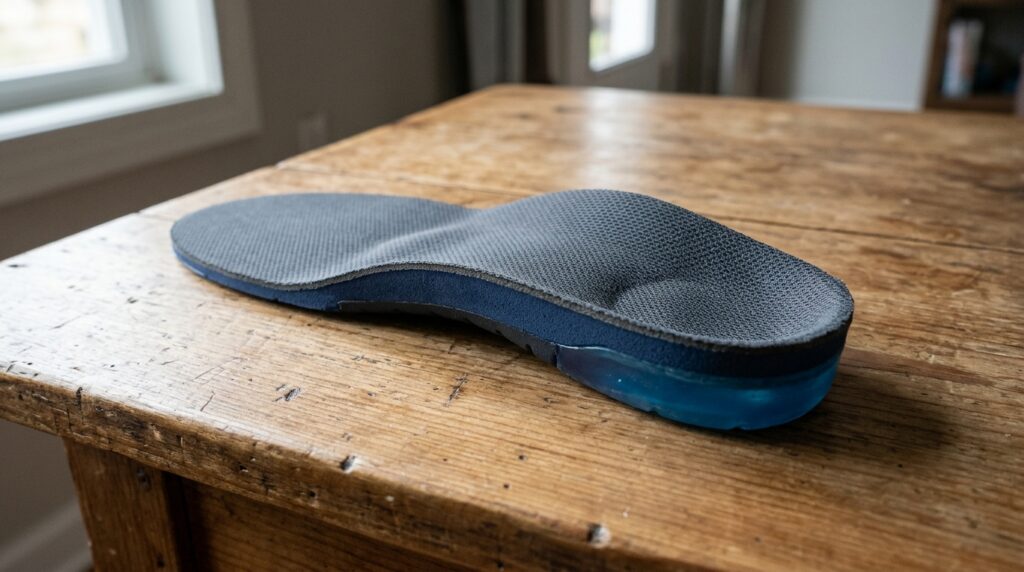
During the day, wear shoes with real arch support and a cushioned heel — flat, flimsy shoes are the enemy here. If you stand all day, a cushioned mat at your workstation helps, and so does changing into supportive shoes at home.
In the evening, stretch your calves again — a wall stretch, heel on the floor, leaning in until you feel a gentle pull, held for 30 seconds per leg. Roll your foot over a tennis ball or frozen bottle for a few minutes while you watch TV. Before bed, choose a light blanket rather than a heavy one pressing your feet down, or put on your night splint if you use one. Small habits, done daily, beat heroic one-off efforts every time.
Frequently asked questions
Why does my heel hurt more at night than during the day?
During the day, movement keeps the tissues in your foot warm and loose. At rest, the plantar fascia and calf muscles tighten up, and inflammation settles in one spot. With nothing else to distract you, a dull daytime ache can feel sharper at night.
Is heel pain at night always plantar fasciitis?
No. Plantar fasciitis is the most common cause, but Achilles tendinitis, stress fractures, bursitis, arthritis, and nerve compression can all cause night-time heel pain. Pain at the back of the heel points more toward the Achilles tendon; pain underneath points more toward the fascia; burning or tingling suggests a nerve issue.
Do night splints really work?
For many people with plantar fasciitis, yes. A night splint keeps the foot flexed overnight so the fascia doesn’t shorten while you sleep, which reduces that brutal first-step pain in the morning. They take a few nights to get used to, but they’re a low-risk option worth trying before more invasive treatments.
When should I worry about heel pain at night?
Get checked promptly if the pain wakes you most nights, keeps worsening over weeks, follows an injury, comes with swelling, redness, or fever, or includes numbness or tingling. Pain that doesn’t improve after several weeks of stretching and supportive shoes also deserves a professional look.
Can I still exercise with heel pain at night?
Usually yes, with adjustments. Low-impact activities like swimming, cycling, and walking on soft surfaces keep you moving without pounding the heel. Avoid running, jumping, and barefoot workouts on hard floors until the pain settles, and stretch your calves before and after every session.
Sources
- Cleveland Clinic — Plantar Fasciitis: Causes, Symptoms and Treatment
- Mayo Clinic — Achilles Tendinitis: Diagnosis and Treatment
- American Academy of Orthopaedic Surgeons — Plantar Fasciitis and Bone Spurs
This article is for information only and is not medical advice. If your heel pain wakes you regularly, follows an injury, or isn’t improving, talk to a healthcare professional.