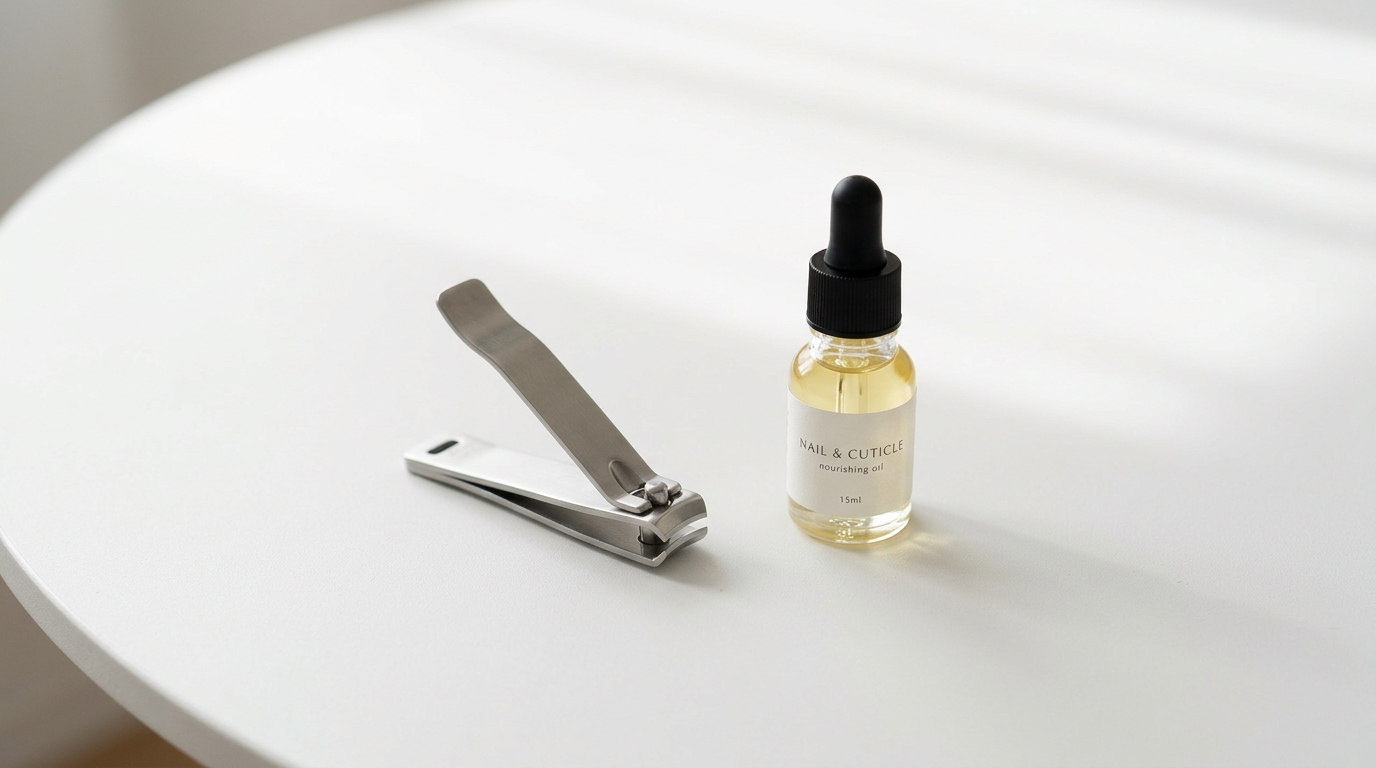
A toenail coming loose or falling off is alarming, but it is usually not an emergency. The most common toenail falling off causes are a stubbed toe or dropped object, a fungal infection, and repeated pressure from tight shoes. The nail often separates slowly, and a new nail grows in underneath. A big toenail takes 12 to 18 months to grow back fully. Protect the exposed nail bed from infection while it heals. If it bleeds heavily, looks infected, or you have diabetes or poor circulation, see a doctor promptly.
See a doctor promptly if you notice any of these:
- Heavy bleeding that does not stop after 15 minutes of pressure
- Increasing pain, swelling, warmth, or pus around the toe
- Red streaks spreading from the toe, or fever
- The nail falling off with no injury or obvious cause
- You have diabetes, poor circulation, or a weak immune system
What happens when a toenail falls off
Your toenail is a hard plate of keratin protecting the sensitive nail bed underneath. When something damages the nail or the tissue that grows it — the matrix, hidden under the skin at the base — the nail can loosen and separate from the bed. Sometimes it drops off in one piece; more often it loosens gradually and comes away in stages.
Once the nail is gone, the pink nail bed is exposed. It can look raw and tender, and may bleed a little. That exposed skin is vulnerable to knocks and infection, so protect it while a new nail grows in. The new nail starts at the matrix and pushes forward slowly — you will see a thin edge at the base within a few weeks. A big toenail takes 12 to 18 months to regrow; smaller toenails usually manage it in 6 to 9 months.
Why toenails fall off
Injury is the most common of the toenail falling off causes. Stubbing your toe hard, dropping something heavy on your foot, or kicking a solid object can damage the nail bed and break the bond between nail and skin. Sometimes the nail turns dark first — a bruise under the nail — and lifts off weeks later as new growth pushes it out.
Repeated minor trauma is just as important, and easier to miss. Runners, hikers, and football players often lose toenails when their toes keep hitting the front of their shoes. If your shoes are too short or too narrow, or your feet slide forward downhill, the nail takes a small knock with every step — and over weeks and months, that pressure damages the nail bed until it gives up.
Fungal infection is another major cause. It makes the nail thick, crumbly, yellow, and brittle, and can weaken its grip until it lifts away. The infection usually starts at the tip and spreads inward, so a nail that was thick and discoloured for months before it loosened is often fungal. Psoriasis can do something similar by affecting the nail matrix, causing pitting and loosening. Less common causes include a severe infection around the nail, certain medications, and a sudden illness that stops nail growth for a while. If a nail falls off with no injury or obvious cause, get it checked — it can be the first sign of an underlying problem.
What to do when your toenail falls off
First, do not panic — and do not rip off a partly attached nail. If it is hanging by a small piece, trim the loose part with clean nail clippers so it does not catch and tear, but leave anything still firmly attached. Wash the toe gently with warm soapy water, pat it dry, and apply a thin layer of petroleum jelly to keep the nail bed moist and protected.
Cover the toe with a clean, non-stick bandage, changing it daily — or whenever it gets wet or dirty. Wear clean socks and roomy shoes so nothing presses on the exposed bed, and avoid tight shoes and heels while it heals. Skip public pools, hot tubs, and shared showers until the new nail has started to grow — damp public places are where fungal infections spread.
If you suspect a fungal infection — the nail was thick, yellow, or crumbly before it came off — an over-the-counter antifungal cream may help, but topical treatments work slowly and often struggle to reach under a nail. If it keeps coming back, a doctor can prescribe stronger oral treatment after confirming the diagnosis. Do not start antibiotics unless a doctor tells you to — they do nothing for fungus.
Watch for infection daily while the nail bed is exposed. A little tenderness at first is normal, but increasing pain, swelling, warmth, spreading redness, or discharge needs medical attention. People with diabetes or poor circulation should get any toenail loss checked promptly — even a small foot wound can become serious.
A daily routine while your nail grows back
Protecting the nail bed is your daily job for months. Each morning, wash the toe with warm soapy water, pat it dry — especially between the toes — and apply a thin layer of petroleum jelly before covering it with a clean dressing and fresh socks. Check your shoes have a wide toe box and about a thumbnail’s width of space beyond your longest toe. Trim the new nail straight across as it grows in, rather than rounding the corners, to avoid an ingrown toenail. Do not paint the new nail while it is thin and fragile — polish traps moisture and can hide the early signs of another fungal infection.
Frequently asked questions
Why did my toenail fall off?
The most common reasons are injury, pressure from tight shoes, or a fungal infection. Psoriasis can also loosen nails. If there was no injury or obvious cause, see a doctor.
How long does it take for a toenail to grow back?
A big toenail takes 12 to 18 months to grow back; smaller ones usually regrow in 6 to 9 months. The new nail appears as a thin edge at the base within a few weeks.
Should I pull off a loose toenail?
No. Do not pull off a nail that is still attached. Trim the loose part carefully with clean clippers so it does not catch on socks, but leave anything firmly attached and let it separate on its own.
Can a toenail fall off because of fungus?
Yes. A fungal infection makes the nail thick, crumbly, and discoloured, and can weaken its grip until it lifts away. If your nail was thick or yellow before it fell off, a doctor can confirm it and recommend treatment.
When should I see a doctor about a toenail falling off?
See a doctor if bleeding will not stop, if you notice signs of infection, if the nail fell off with no obvious cause, or if you have diabetes or poor circulation.
Sources
- Cleveland Clinic — Toenail Falling Off: Causes and Treatment
- Mayo Clinic — Ingrown Toenails and Nail Injuries
- NHS — Fungal Nail Infection: Symptoms and Treatment
- American Podiatric Medical Association — Toenail Problems
This article is for information only and is not medical advice. If your foot pain is severe, sudden, or not improving, talk to a healthcare professional for a proper diagnosis.