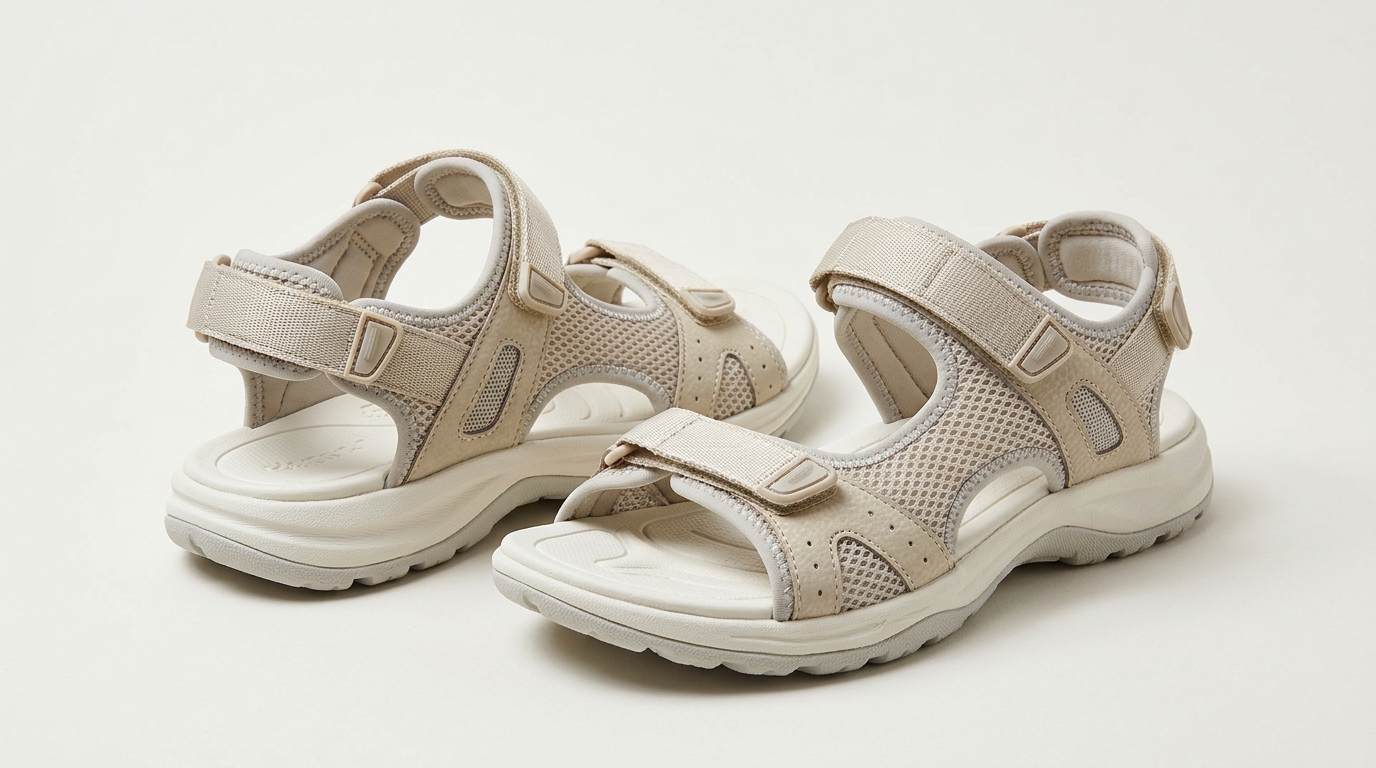
Swollen feet in summer are usually caused by heat: warm weather widens your blood vessels, fluid collects around your ankles, and gravity does the rest — especially if you have been standing, walking, or sitting still for hours. Swollen feet in summer are often harmless and ease with rest, elevation, and cool water, but swelling in only one leg, sudden swelling with breathlessness or chest pain, or skin that is red and hot needs a doctor promptly.
See a doctor promptly if you notice any of these:
- Swelling in only one leg, especially with pain or tenderness
- Sudden swelling with shortness of breath or chest pain
- Skin that is red, hot, or very painful to touch
- Swelling that does not go down after a night of rest
- Swollen feet with fever, or a wound that will not heal
Why heat makes your feet swell
When the weather warms up, your body widens the blood vessels near the skin to release heat. That is a normal cooling trick, but it also lets fluid leak into the surrounding tissue — and because your feet are the lowest point of your body, gravity pulls that fluid down to your ankles. Doctors call this heat oedema, and it is one of the most common reasons feet puff up in summer.
Standing or sitting still makes it worse. Your calf muscles act like a pump, squeezing veins and pushing blood back up toward the heart with every step. When you stand in a queue, sit on a long flight, or spend the day at a desk, that pump goes quiet and fluid pools around the ankles. Add hot weather on top, and the swelling can be noticeable by evening even in perfectly healthy feet.
Salt and dehydration play a part too. A salty meal or a day of snacking in the heat makes your body hold on to water, while not drinking enough can paradoxically make fluid retention worse. And if you are on certain medicines — some blood pressure tablets, for example — summer swelling can be a side effect worth mentioning to your doctor or pharmacist.
When summer swelling needs attention
Most summer swelling is even, painless, and gone by morning. That pattern — both feet, worse in the evening, better after a night’s sleep — is reassuring. But swelling that breaks that pattern deserves a closer look. Swelling in one leg only, especially with pain or a feeling of tightness in the calf, can be a sign of a blood clot and needs urgent care.
Swelling with breathlessness or chest pain is a medical emergency — call for help straight away. The same goes for swelling with red, hot skin and a fever, which can point to an infection such as cellulitis. And if your feet stay swollen for days despite rest and elevation, or the swelling is new and unexplained, get it checked: heart, kidney, and vein problems can all show up first as swollen feet.
Pregnancy is a special case. Mild ankle swelling is very common in late pregnancy, especially in hot weather, but sudden swelling of the feet, hands, or face — particularly with a headache or changes in vision — needs same-day medical advice, as it can be a sign of pre-eclampsia.
How to bring summer swelling down
Elevation is the simplest fix. Lie down and prop your feet up on pillows so they are above the level of your heart for 15 to 30 minutes. Do it once or twice a day, and you will usually see the swelling ease within the hour. It sounds too simple, but gravity is the main problem, so reversing gravity is the main solution.
Keep moving, and keep cool. A gentle walk gets the calf pump working, and even ankle circles under your desk help. Cool water — a foot soak or a cool shower — narrows the blood vessels again and feels wonderful after a hot day. Avoid standing in one spot for long stretches, and wear comfortable shoes with a little support rather than tight sandals that dig into swollen feet.
Watch your salt and your fluids. Drink water regularly through the day rather than waiting until you are thirsty, and go easy on very salty foods. Compression socks can help if you are on your feet all day or travelling, but check with a doctor first if you have circulation problems or diabetes. And if the swelling keeps coming back, or does not settle overnight, talk to a healthcare professional — summer swelling is common, but persistent swelling is a symptom worth understanding.
Frequently asked questions
Why do my feet swell in hot weather?
Swollen feet in summer happen because heat widens your blood vessels and fluid leaks into the tissue around your ankles. Gravity pulls that fluid down, so swelling is usually worst by the evening and better by morning.
Is swollen feet in summer normal?
Yes, mild swelling in both feet during hot weather is common and usually harmless, especially after standing or sitting for a long time. It should ease with rest and elevation overnight.
How can I reduce swollen feet in summer?
Elevate your feet above heart level for 15 to 30 minutes, walk regularly to activate your calf muscles, cool your feet with water, drink enough, and go easy on salt. Compression socks can also help for long days on your feet.
When is swollen feet in summer an emergency?
Call for urgent help if swelling comes on suddenly with breathlessness or chest pain, or if one leg swells painfully on its own. Both can be signs of a blood clot or another serious problem.
Do compression socks help with summer swelling?
Yes, for many people. Compression socks gently squeeze the lower leg and help push fluid back up, which reduces ankle swelling during long hot days. Ask your doctor first if you have diabetes or circulation problems.
Sources
- Cleveland Clinic — Swollen Feet: Causes and Treatment
- Mayo Clinic — Edema: Symptoms and Causes
- NHS — Swollen Ankles, Feet and Legs (Oedema)
- American Podiatric Medical Association — Foot Swelling and Summer Heat
This article is for information only and is not medical advice. If your foot pain is severe, sudden, or not improving, talk to a healthcare professional for a proper diagnosis.