When it comes to thick toenails causes, the most common one is a fungal infection that slowly thickens the nail from underneath — but repeated pressure from tight shoes, an old injury to the nail, and simply getting older can all thicken toenails too. Less often, thick nails come with psoriasis or poor foot circulation. If a thick nail is painful, smells, or worsens despite basic care, get it checked rather than just filing it down.
See a doctor promptly if you notice any of these:
- A thick nail that is painful, red, or swollen around the edges
- Yellow, crumbly debris or a bad smell coming from under the nail
- A thick nail that is lifting, bleeding, or has a wound underneath it
- Thick nails plus foot wounds that won’t heal, especially if you have diabetes
- Nail changes spreading to several nails, or coming with a rash or joint pain
What thick toenails are and why they happen
A thick toenail has grown noticeably thicker than normal — sometimes so thick it’s hard to cut, yellowish or cloudy, and rough or ridged on the surface. Nails thicken when the plate grows extra layers or debris builds up underneath. It usually develops gradually, so people often don’t notice until a shoe presses on the nail or clippers won’t get through it.
The most common cause by far is fungal infection, known as onychomycosis. Fungi thrive in warm, damp shoes, entering through tiny cracks in the nail or surrounding skin. Once established, the fungus makes the nail thick, brittle, and discoloured — yellow, brown, or white — usually starting at the tip or one edge and spreading slowly inward. Athlete’s foot often goes with it, and it can spread to other nails untreated.
Repeated pressure and injury are the next biggest group. Shoes that squeeze your toes, a toe rubbing the shoe’s front, or one hard stub years ago can damage the nail bed so the nail grows back thicker. This is common in the big toenail, which takes the most pressure, and in athletes and people who work on their feet. Unlike a fungal nail, a trauma-thickened nail is often just one toe and doesn’t spread.
Age plays a role too. As you age, nails grow more slowly and can become thicker and more brittle — foot circulation decreases, and years of minor knocks add up. Poor circulation from diabetes or peripheral artery disease also changes nail growth, so thick nails in older adults deserve a proper look, not dismissal as ageing. Psoriasis can affect nails too, causing thickening, pitting, and separation from the nail bed.
What helps thick toenails
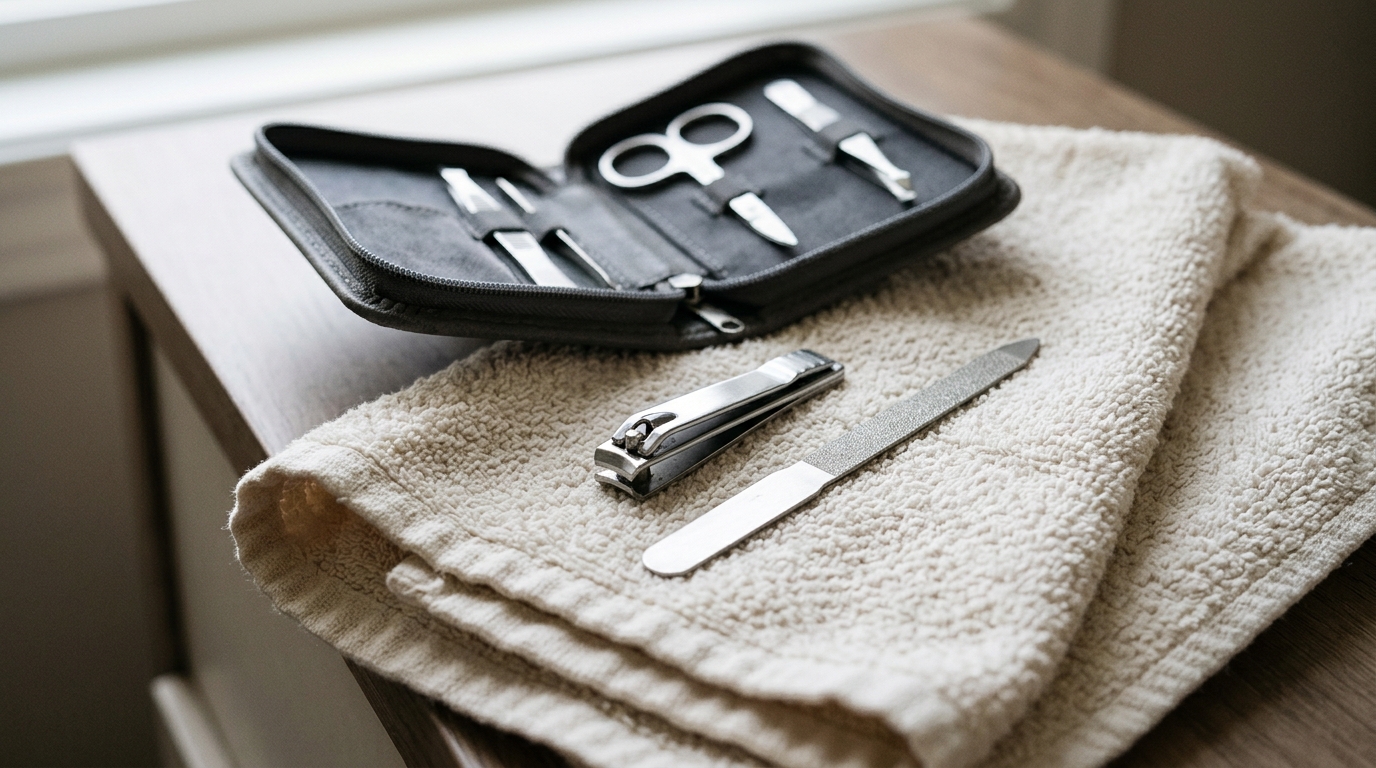
The right approach depends on the cause, so identify it before you start filing. If the nail is thick but not painful or discoloured, and limited to one toe with a pressure or injury history, gentle care may be enough. Soak the foot in warm water for 10 to 15 minutes to soften the nail, then file the surface carefully — never cut into the nail bed, and stop if it hurts. Keep the nail trimmed straight across, and wear roomy shoes so the original pressure doesn’t keep making it worse.
If fungus is the likely cause, over-the-counter antifungal creams and lacquers can help mild cases, but they struggle to reach fungus living under a thick nail — according to the Cleveland Clinic, topical treatments work best for early or superficial infections, and deeper ones often need prescription oral medicine from a clinician. Don’t expect quick results: toenails grow slowly, so a healthy nail takes months to replace a damaged one, and stopping early is the most common reason fungus returns.
Keep the environment hostile to fungus while you treat it. Wash feet daily, dry thoroughly between toes, and change into clean, moisture-wicking socks if your feet sweat. Don’t share clippers, disinfect yours after use, and wear shower shoes in communal showers, gyms, and pools. Treat or discard old shoes that may harbour fungus — reinfection from your own footwear is common.
A podiatrist can thin a very thick nail safely, making it more comfortable in shoes and helping topical treatments reach the nail bed — a good option if it’s too hard to cut at home or causes pain. According to the Mayo Clinic, seek care sooner with diabetes, since thick or damaged nails raise the risk of slow-healing wounds and infection.
Don’t rip off or aggressively cut back a thick nail, or cover a discoloured, crumbly nail with polish and forget it. Polish traps moisture and can hide a worsening infection, and tearing a nail can invite a bacterial infection on top of the fungal one.
A daily routine for thick toenails
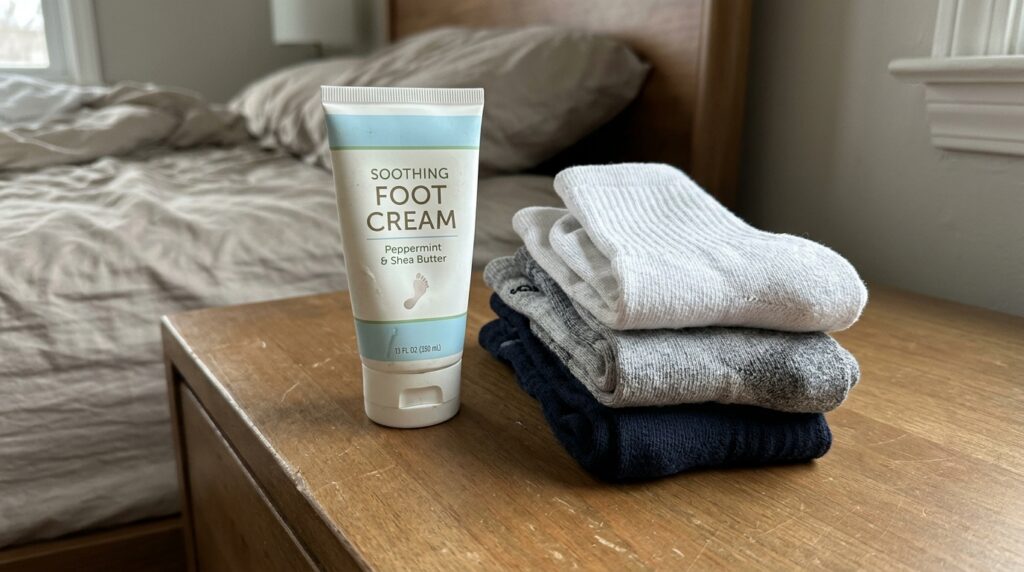
Start with clean, dry feet: wash with warm water and mild soap, dry between toes, and put on fresh socks. Apply any antifungal treatment in the morning, when the nail is clean.
Wear wide, deep-toe-box shoes that don’t press on the nail, and rotate pairs so each dries out between wears. If you play sports or work on your feet, check your shoes still fit — feet change size, and a five-year-old pair may squeeze your toes now.
In the evening, check for new redness, pain, or debris, and file rough edges before they catch on socks. Weekly, soak the foot, gently file the nail’s surface, and trim straight across. On prescription treatment, finish the full course — a healthy-looking nail tip doesn’t mean the fungus is gone.
Frequently asked questions
Are thick toenails always caused by fungus?
No, though fungus is the most common cause. Injury, tight shoes, ageing, poor circulation, and psoriasis can all thicken nails. The pattern helps tell them apart — fungus spreads slowly and changes colour, while a trauma-thickened nail is often just one toe.
Can I cut a thick toenail myself?
You can, with care: soak first, use sturdy clippers or a file, and trim straight across without cutting skin. If the nail is very hard, painful, or you have diabetes, let a podiatrist handle it — a small cut can become serious when circulation or healing is poor.
Will a thick toenail go back to normal on its own?
Usually not without treating the cause. A fungal nail won’t clear by itself, and a nail damaged by ongoing pressure stays thick until the pressure stops. With proper treatment and patience — toenails take months to grow out — a healthy nail can replace it.
Is a thick toenail contagious?
Yes — to your other nails, to other people via shared showers or nail tools, and back to you from infected shoes. That’s why hygiene matters: don’t share clippers, wear shower shoes in communal areas, and keep feet clean and dry.
When should I see a doctor about a thick toenail?
See a clinician if the nail is painful, lifting, smelly, or worsening despite basic care, spreads to several nails, or you have diabetes or poor circulation. Those need a proper diagnosis, not home filing alone.
Sources
- Cleveland Clinic — Onychomycosis (fungal nail infection)
- Mayo Clinic — Nail fungus: symptoms and causes
- American Academy of Dermatology — Nail fungus and nail care
This article is for information only and is not medical advice. If your thick toenail is painful, spreading, or you have diabetes, talk to a healthcare professional.