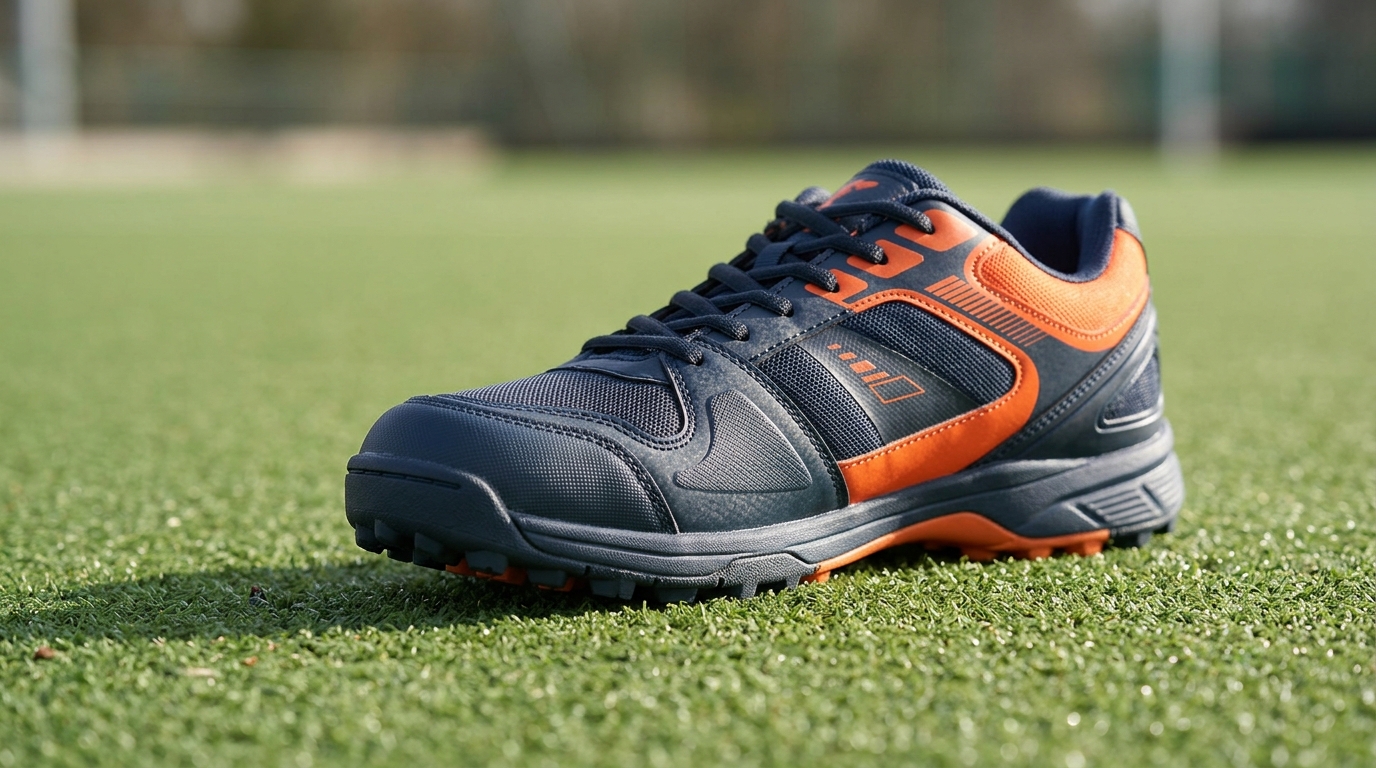
Quick Answer: In short, foot pain from field hockey usually comes from the low crouch you hold most of the game, plus hard stops, sharp turns, and sprinting on firm ground in stiff cleats. Your heels, arches, and the balls of your feet take a pounding, and by the final whistle they’re tired and inflamed. It usually eases with rest, calf stretching, and better-fitting cleats with real arch support. If the pain is sharp, one-sided, or still there after a few days of rest, get it checked by a doctor or podiatrist.
See a doctor promptly if you notice:
- Sharp or severe pain in the heel, arch, or one spot on a bone
- Swelling, redness, or warmth that doesn’t settle after a day or two of rest
- Numbness, tingling, or a burning feeling in your feet or toes
- Pain that makes walking or putting weight on your foot difficult
- A bruise or sore spot that keeps getting worse instead of better
Why Field Hockey Can Hurt Your Feet
Field hockey is played in a crouch. For most of a game you’re bent low over your stick, knees bent, weight forward onto the balls of your feet. That stance helps you control the ball, but it never lets your heels rest, and over sixty minutes the load adds up to real soreness.
Then there’s the movement. It’s a stop-start sport: short sprints, hard cuts, sudden stops to receive a pass. Every cut and stop drives force through your feet, and on firm turf there’s no give to soften the landing. Your cleats have to grip — which means your foot stops while your body keeps moving.
The surface matters, too. Artificial turf is harder than grass and heats up in the sun. A full game on a warm, firm pitch leaves many players with aching heels and burning soles — one reason foot pain from field hockey is so common.
What It Is: The Most Common Causes
Plantar fasciitis is the big one. The plantar fascia is the band of tissue along the bottom of your foot, and the low stance stretches and loads it for the whole game. The classic sign is heel pain with your first steps in the morning, which eases as you warm up, then comes back after a match.
Metatarsalgia — pain in the ball of your foot — is just as common. All that weight on the forefoot in the crouch, plus the push-off from every sprint, bruises the padding under your toes. Cleats a half size too small squeeze the problem further, leaving the balls of your feet raw by the end of a game.
Stress on the outside of the foot is another pattern. Constant cutting loads the outer edge, where stress reactions in the small midfoot bones often show up first. When your studs grip and your body turns, the foot twists inside the shoe, straining the ankle ligaments.
It’s a different game from its winter cousin. Ice hockey is played on skates, with stiff boots and a very different glide, yet the two sports share the same culprits: hard stops, quick turns, and feet locked into unforgiving footwear. Our guide to foot pain from ice hockey covers the skating version of the same story.
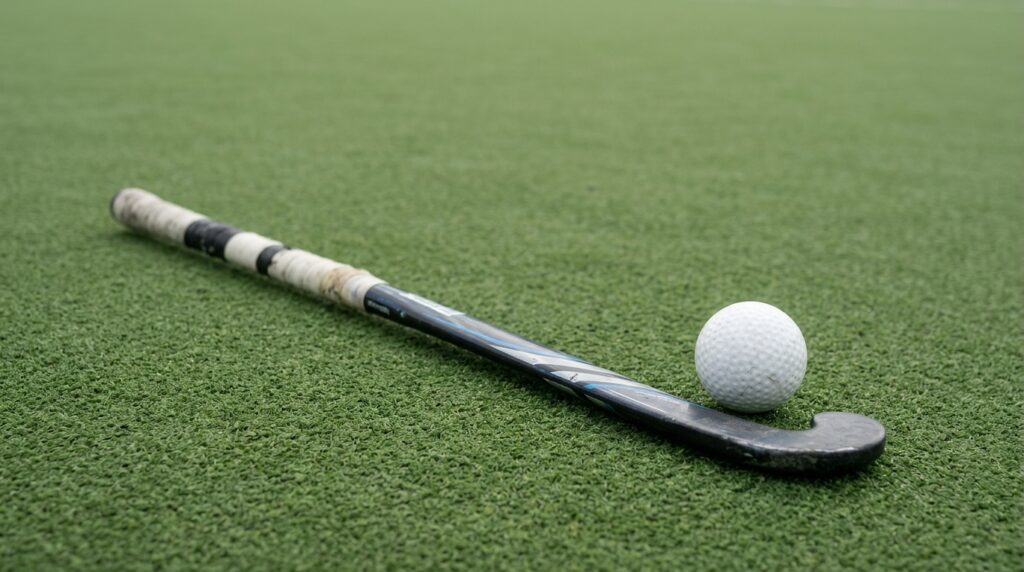
What Helps: On the Pitch
Your cleats are the first thing to check. Look for a fit that’s snug around the heel but roomy in the toe box — your toes should be able to spread. Make sure the studs suit the surface you play on: too long on hard turf and your foot gets wrenched with every turn. If you’re unsure, our guide to foot pain from soccer cleats covers cleat fit and stud length that apply just as well on a hockey pitch.
Insoles can make a real difference inside a stiff cleat. A supportive insole with a proper arch shape takes load off your plantar fascia and spreads pressure across the foot. Try them in training first, not on match day — your feet need a session or two to adjust.
Warm up properly before every game, especially your calves and ankles. A few minutes of calf raises, ankle circles, and gentle jogging loosens the tissues that take the most strain. Players who skip the warm-up are the ones limping the next morning.
What Helps: Recovery After the Game
When the game ends, get out of your cleats and into something soft and supportive — not flat flip-flops. Roll each foot over a tennis ball or a frozen water bottle for a few minutes, and soak your feet in cool water for ten minutes if they’re swollen.
Stretch your calves every evening after a game day. Face a wall, step one foot back, and press the heel into the floor until you feel a gentle pull. Hold it for thirty seconds on each side. Tight calves are a main driver of heel pain, and this two-minute habit makes a real difference over a few weeks.
Your Daily Routine for Happier Feet on Match Days
Here’s a routine that fits around training and matches:
- Stretch your calves and ankles before every session: Calf raises and ankle circles take five minutes.
- Check your cleats weekly: Snug heel, roomy toe box, studs that match the surface.
- Wear supportive insoles in your cleats: A proper arch shape spreads pressure across the whole foot.
- Cool down and roll your feet after the game: A tennis ball or frozen water bottle eases tight tissue.
- Recover between games: Stretch your calves in the evening and take a rest day when your feet are sore.
FAQs
Is foot pain from field hockey normal?
Mild soreness in the arches or heels after a hard game is very common and usually fades with rest, stretching, and better cleats. Sharp, one-sided, or persistent pain is not normal — get it checked.
Why do my heels hurt the morning after a game?
The low crouch loads your plantar fascia for the whole match, and it tightens overnight. That first-steps heel pain in the morning is the classic sign, and calf stretching usually helps it settle.
Do I need special insoles for field hockey cleats?
Not always, but they help a lot with flat feet, high arches, or recurring heel pain. A supportive insole spreads pressure and takes load off the plantar fascia. Try them in training first.
Why do the balls of my feet feel bruised after playing?
Your crouch puts most of your weight on the forefoot, and every sprint push-off loads the same spot. Cleats that are too narrow make it worse. Roomier cleats and cushioned insoles usually ease it.
When should I see a doctor about foot pain from field hockey?
See a doctor promptly if the pain is sharp or severe, if swelling doesn’t settle after rest, if you can’t put weight on your foot, or if it keeps coming back every game.
Sources
- Mayo Clinic — plantar fasciitis causes and symptoms
- Cleveland Clinic — metatarsalgia and forefoot pain
- American Podiatric Medical Association — sports foot injuries and prevention
This article is for general information only and is not medical advice. Talk to your doctor or a podiatrist about your own feet.