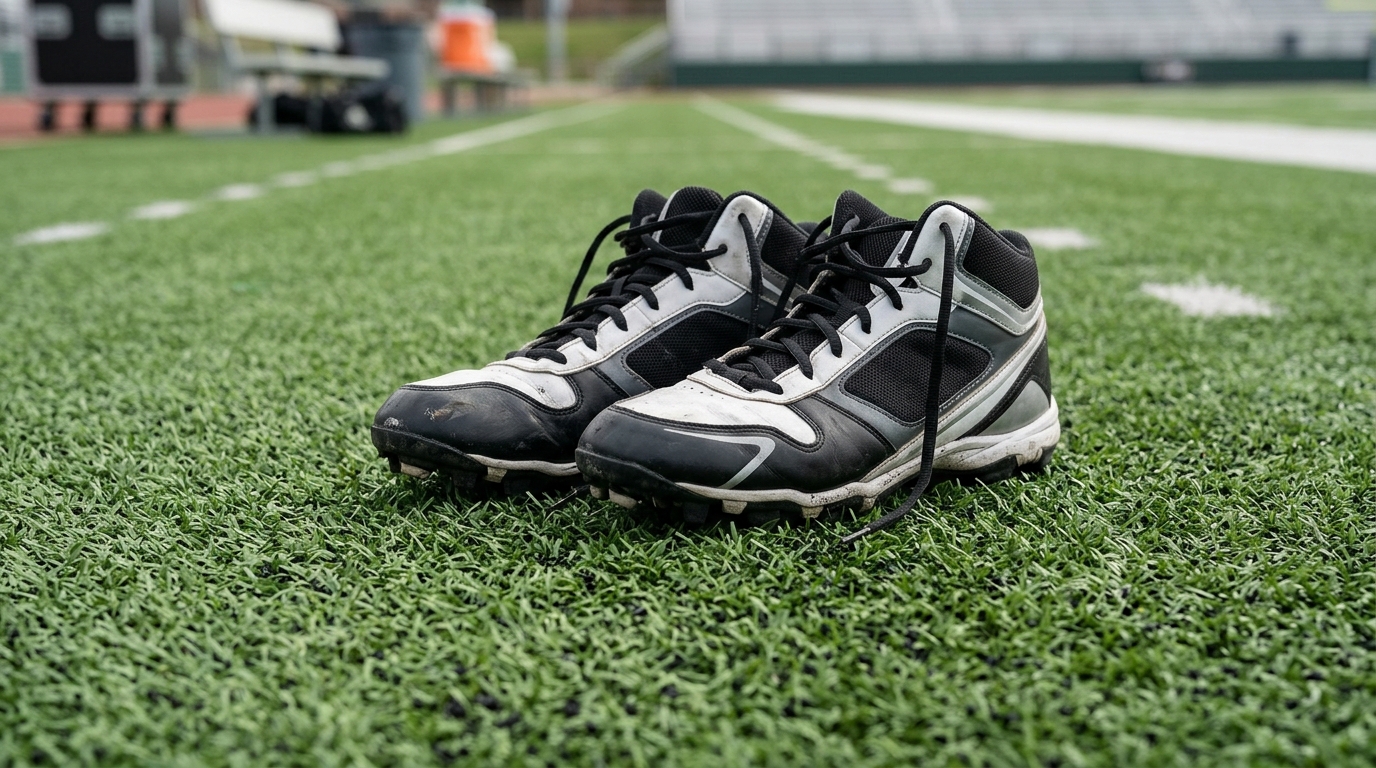
Quick Answer: In short, foot pain from American football usually comes from cleats, hard cutting, and contact — every play asks your feet to plant, push off, and take a hit on unforgiving turf. Your arches, heels, and big toes take the load snap after snap, and by the fourth quarter they’re sore. It usually eases with rest, proper cleats, and calf stretching. If the pain is sharp, one-sided, or doesn’t fade after a couple of days off, get it checked by a doctor or podiatrist.
See a doctor promptly if you notice:
- Sharp or severe pain in the heel, arch, or one spot on a bone
- Swelling, redness, or warmth that doesn’t settle after a day or two of rest
- Numbness, tingling, or a burning feeling in your feet or toes
- Pain that makes walking or putting weight on your foot difficult
- A wound, sore, or blister that won’t heal — especially if you have diabetes
Why American Football Can Hurt Your Feet
Most people picture football as a contact sport for shoulders and knees. Your feet know it as a contact sport too. Every play starts with a hard plant — your cleats dig into the turf, your body twists, and you push off at full speed. Then comes the hit, the pile, or a lineman stepping on your foot. No other sport asks your feet to do so much while so much weight comes at them.
Cleats make it worse. They grip the turf so your foot can’t slide or twist freely — great for cutting, but it loads your arches, toes, and ankles every time your body changes direction. A cleat that locks your foot in place turns every cut into torque on the small joints of your foot.
Then there’s the volume. Practices, two-a-days, games, and offseason workouts add up to thousands of hard plants and cuts a week, and the soreness that builds through the season is the signature of foot pain from American football.
What It Is: The Most Common Causes
Turf toe tops the list for football players. It’s a sprain of the big toe joint, and it happens when your toe bends too far back as you push off — usually while your cleats are planted and you’re hit from behind. The classic sign is a stiff, painful big toe that makes push-off feel weak.
Plantar fasciitis is the close second. The plantar fascia is the band of tissue along the bottom of your foot, and repeated hard plants stretch and irritate it. The classic sign is heel pain with your first steps in the morning, which eases as you warm up, then returns after practice.
Metatarsalgia — pain in the ball of your foot — comes from all the sprinting and cutting, which loads the front of your foot over and over. Cleats that fit too tight or lack cushioning make it worse, leaving the balls of your feet bruised by practice’s end. Our guide to foot pain from soccer cleats covers the same cleat-pressure soreness — football adds heavy contact and hard turf.
What Helps: Getting Through Practice and Games
The biggest single change is your cleats, and it doesn’t have to mean the most expensive pair. Look for a snug fit, a roomy toe box, real arch support, and the right stud pattern — molded studs for turf, detachable for grass. Replace them when the cushioning feels flat or the studs are worn down.
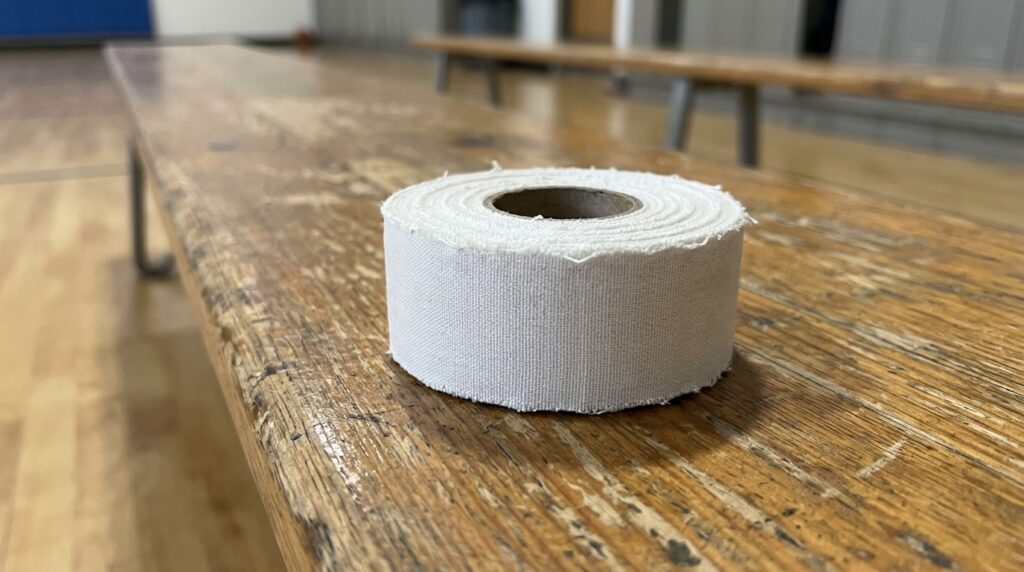
Tape your big toes if turf toe keeps flaring up. A trainer can show you how to tape it to limit how far it bends back, taking pressure off the joint during push-off. It’s a small step, but it can keep you on the field while the toe heals.
Use your time on the sideline. Sit down and get your feet up between series when you can, and do a few ankle circles before you go back in. Even a few minutes of rest helps your arches recover.
What Helps: Recovery Between Games
When practice ends, get out of your cleats and into something soft and supportive — not flat slides. Ice a sore toe or heel for fifteen minutes, and roll the bottom of each foot over a tennis ball or a frozen water bottle to loosen tight tissue.
Stretch your calves every evening. Stand facing a wall, step one foot back, and press the heel into the floor until you feel a gentle pull — hold it for thirty seconds on each side. Tight calves are one of the main drivers of heel pain, and this two-minute habit makes a real difference over a few weeks. Our guide to foot pain from basketball has more recovery ideas that work just as well between games.
Your Daily Routine for Happier Feet in Season
Here’s a routine that fits around practice and games:
- Stretch your calves and arches before practice: A wall calf stretch and a few ankle circles take two minutes.
- Check your cleats before every session: Snug fit, roomy toe box, good studs, no flat cushioning.
- Tape sore toes before you play: A quick tape job limits how far the big toe bends back.
- Ice and roll after every practice: Fifteen minutes of ice on a sore spot, then roll each foot on a tennis ball.
- Recover on your days off: Stretch your calves, rest your feet, and swap into supportive shoes — not flat slides.
FAQs
Is foot pain from American football normal?
Mild soreness in the arches, heels, or big toes after practice or a game is very common and usually fades with rest, stretching, and better cleats. Sharp, one-sided, or persistent pain is not normal — get it checked.
Why do my feet hurt so much after a football game?
Every play asks your feet to plant hard, cut, and take contact, while cleats lock your foot in place as your body twists. Thousands of hard plants a week add up to sore arches, heels, and toes.
What is turf toe?
Turf toe is a sprain of the big toe joint, caused when the toe bends too far back during push-off — usually while your cleats are planted and you’re hit from behind. Rest, ice, and taping the toe usually help, but pain lasting over a couple of weeks should be checked.
Can football cleats cause plantar fasciitis?
Yes — repeated hard plants in cleats with little cushioning can irritate the plantar fascia, especially with tight calves. Rest, calf stretching, and better-fitting cleats usually help, but heel pain lasting more than a couple of weeks should be checked.
When should I see a doctor about foot pain from American football?
See a doctor promptly if the pain is sharp or severe, if swelling doesn’t settle after rest, if you can’t put weight on your foot, or if you notice numbness, tingling, or a sore that won’t heal.
Sources
- Mayo Clinic — turf toe causes and symptoms
- Cleveland Clinic — foot pain from sports and cleats
- American Podiatric Medical Association — foot care for athletes
This article is for general information only and is not medical advice. Talk to your doctor or a podiatrist about your own feet.