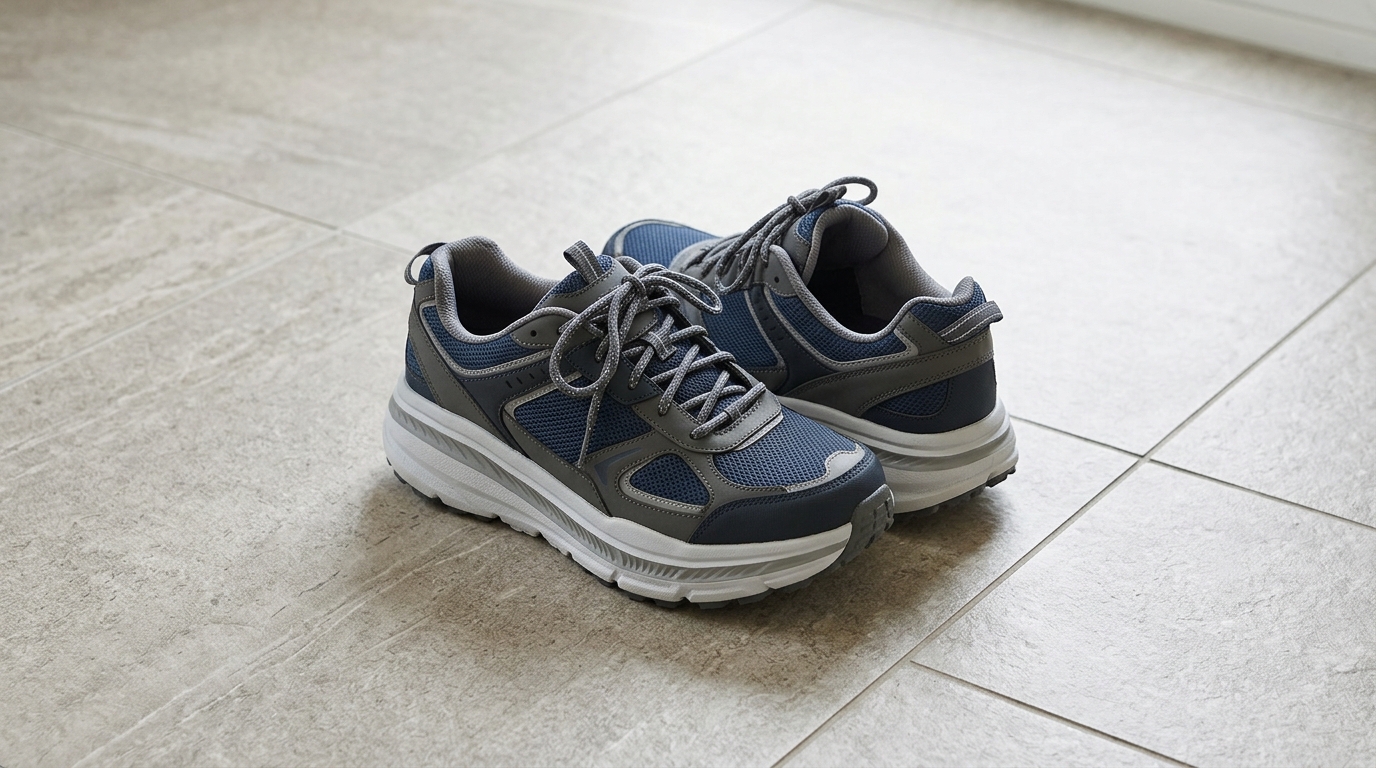
Quick Answer: Foot pain from standing in a queue usually comes from standing almost still on a hard floor. With no walking motion to pump blood or spread the load, your heels, arches, and the balls of your feet take constant pressure in the same spots. Shifting your weight, taking small steps in place, and wearing supportive shoes help a lot — and a short rest with your feet up afterward usually settles it.
See a doctor promptly if you notice:
- Sharp or severe pain in the heel, arch, or one spot
- Swelling, redness, or warmth that doesn’t settle after a day or two
- Numbness, tingling, or a burning feeling in your feet or toes
- Pain that makes walking or putting weight on your foot difficult
- A wound, sore, or blister that won’t heal — especially if you have diabetes
Why Standing in a Queue Hurts Your Feet
A queue is the hardest kind of standing there is, because you’re barely moving at all. When you walk, your feet roll heel to toe, your calves pump blood, and the pressure shifts with every step. Standing in line takes all of that away. Your feet just sit there, loaded in exactly the same spots, minute after minute.
The floor makes it worse. Queues form on tile, concrete, and polished stone — hard, flat surfaces with no give. Your full weight presses straight down through your heels and the balls of your feet, with nothing to absorb it. That’s why foot pain from standing in a queue feels different from a long walk: a walk spreads the work around, while a queue concentrates it.
Then there’s the shuffling. You edge forward a few inches, stop, wait, edge forward again. That stop-start pattern keeps your feet loaded but never lets them work properly. Your toes grip to hold your balance, your arches stay tensed, and your ankles lock into one position. After twenty minutes your feet can ache more than after an hour’s walk — our guide to sore feet after standing covers what static standing does to your feet and how to ease it.
What It Is: The Most Common Causes
Plantar fasciitis is a common culprit. The plantar fascia is the band of tissue along the bottom of your foot, and standing still keeps it stretched under load without the release that walking gives it. The classic sign is heel pain with your first steps after standing still, easing as you move.
Metatarsalgia — pain in the ball of your foot — comes from the same constant pressure. With no heel-to-toe roll to spread the load, the front of your foot carries more than its share. Thin-soled shoes make it worse fast: on a hard floor, a flat shoe is barely better than no shoe at all.
Swelling and tired arches round out the picture. Standing still lets blood pool in your lower legs, so your feet can feel puffy and heavy by the end of a long queue. Flat feet or high arches make it harder still, because the load lands unevenly — our guide to foot pain from standing on concrete explains why hard floors are so much tougher on your feet than softer ground.
What Helps: Standing Smarter in Line
The best trick is to keep moving, even a little. Shift your weight from one foot to the other every minute or so, rise up on your toes for a few seconds, then settle back down. Take small steps forward and back when the line allows — these tiny movements wake up your calves and spread the pressure around.
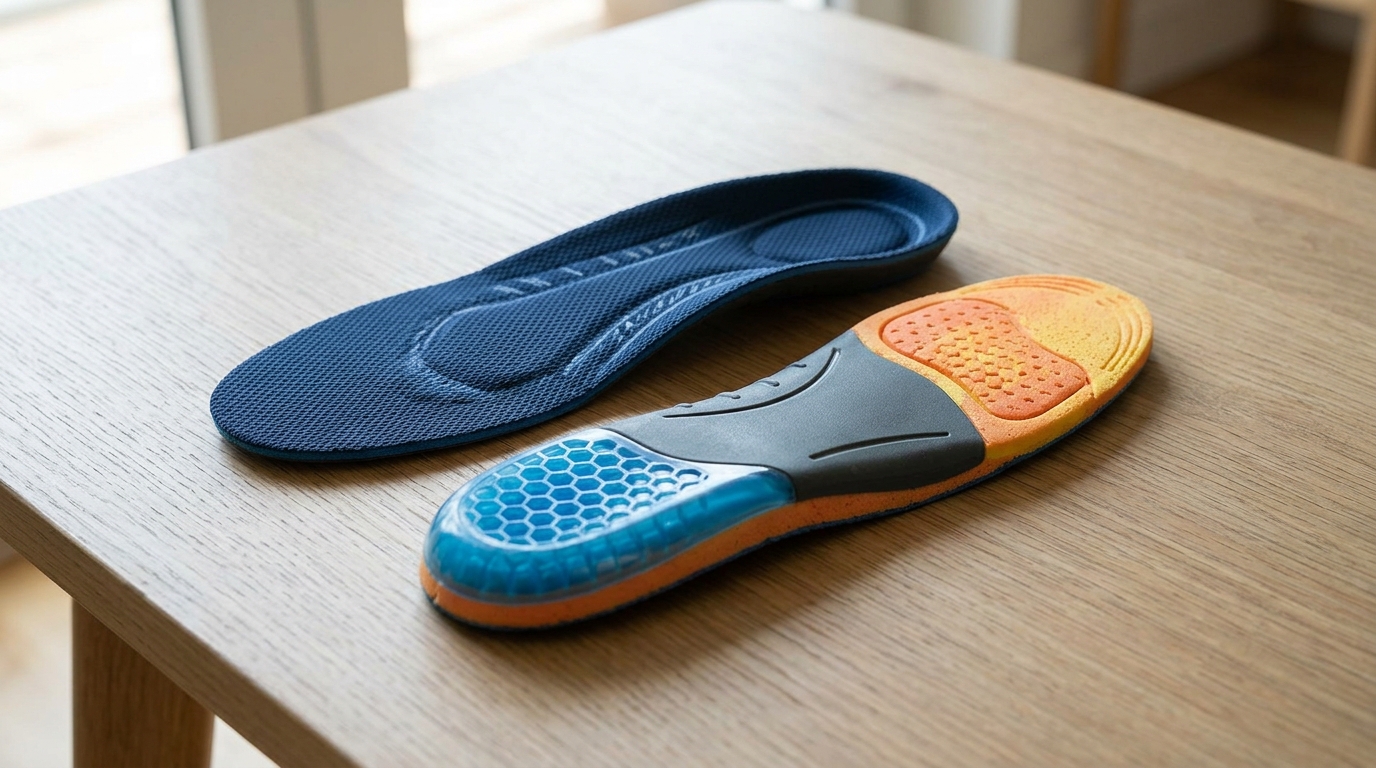
Your shoes matter more than anything else you can control. Wear a supportive shoe with a cushioned sole and arch support — something that holds your foot steady and absorbs the hard floor. Flat sandals, worn-out trainers, and hard-soled dress shoes will punish you in a long queue, so choose your shoes like you would for a long walk.
Stand with your weight evenly spread. Locking your knees and leaning on one leg feels restful for a moment, but it overloads one foot and twists your ankle. Feet hip-width apart, knees soft, weight balanced — over half an hour, that small change makes a real difference.
What Helps: Recovery After a Long Queue
Once you’re out of the line, give your feet a proper break. Sit down and put your feet up for ten minutes — it drains the swelling that built up while you stood still. A cool soak helps hot, puffy feet: ten minutes in cool water, then dry them properly.
Roll the bottom of each foot over a tennis ball or a frozen water bottle for a few minutes — it loosens tired arches after hard floors. Then stretch your calves against a wall: step one foot back, press the heel down, hold for thirty seconds a side. Tight calves make heel pain worse, and this habit helps a lot.
Most queue soreness fades within a day.
Your Daily Routine for Happier Feet in Queues
A routine that protects your feet whenever a long wait is coming:
- Choose supportive shoes before you go: Cushioned sole, arch support, snug heel — every time.
- Shift your weight every minute: Rock heel to toe and take small steps in place.
- Stand evenly: Feet hip-width apart, knees soft, weight balanced on both feet.
- Rest with your feet up afterward: Even ten minutes drains swelling and eases aching.
- Roll and stretch every evening: A tennis-ball roll loosens tired arches after a day on hard floors.
FAQs
Why do my feet hurt after standing in a queue?
Standing still keeps your feet loaded in the same spots, with no walking motion to pump blood or spread the pressure. Hard floors add to it, and your toes grip to hold your balance — the result is aching heels, arches, and the balls of your feet.
Is foot pain from standing in a queue normal?
Yes — mild aching after a long wait on a hard floor is common, especially in flat or unsupportive shoes. Sharp, one-sided, or persistent pain should be checked.
What shoes are best for standing in long queues?
A supportive shoe with a cushioned sole, real arch support, and a snug heel — something that holds your foot steady and absorbs the hard floor. Avoid flat sandals and worn-out trainers.
How can I stand in a queue without my feet hurting?
Shift your weight every minute, rise up on your toes now and then, and take small steps in place. Good shoes make the biggest difference of all.
How long does foot pain from standing in a queue last?
Most queue soreness fades within a day, especially after resting with your feet up and stretching your calves. Pain lasting more than a few days, or returning every time you stand still, should be checked by a doctor.
Sources
- Mayo Clinic — plantar fasciitis causes and symptoms
- Cleveland Clinic — foot pain from standing and metatarsalgia
- American Podiatric Medical Association — choosing supportive footwear
This article is for general information only and is not medical advice. Talk to your doctor or a podiatrist about your own feet.