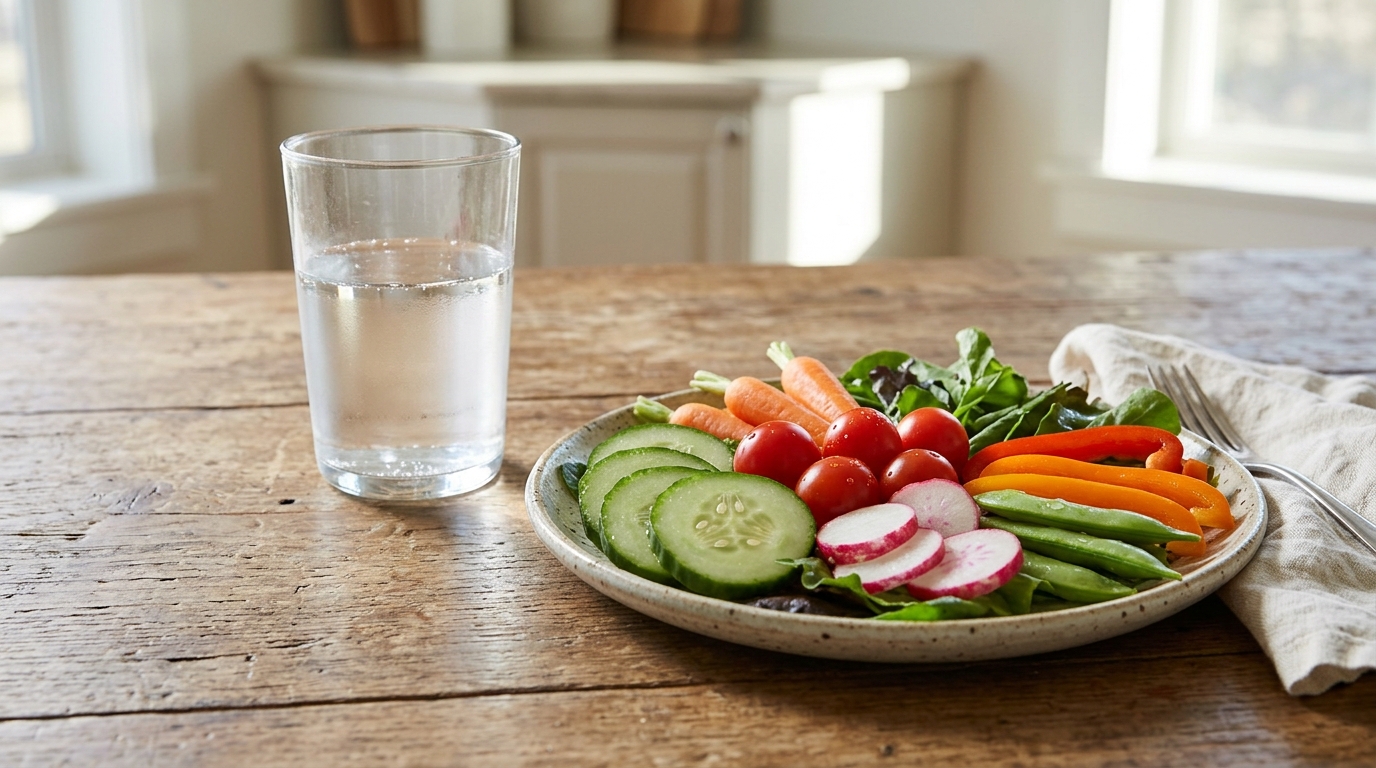
What a gout flare actually feels like
People who’ve had gout describe it in unusually vivid terms, and there’s a reason: it hurts far out of proportion to how it looks. You go to bed fine, and you wake at 2 a.m. because the sheet touching your big toe feels unbearable. The joint swells fast, turns red and shiny, feels hot to the touch, and even the weight of a blanket is too much. The pain usually peaks within 24 hours and then eases over several days to a week, though untreated flares can drag on longer.
The classic spot is the joint at the base of the big toe — doctors call it podagra — but gout also hits ankles, midfoot, knees, wrists, and elbows. The big toe gets it first most often because it’s cooler than your core (uric acid crystallizes more easily at lower temperatures) and because it’s a joint that takes a lot of mechanical stress.
Why it happens
Your body produces uric acid when it breaks down purines, substances found in your own cells and in certain foods. Normally your kidneys flush it out in urine. Gout starts when uric acid builds up in the blood — hyperuricemia — and forms sharp, needle-like crystals inside a joint. Your immune system attacks those crystals as if they were invaders, and that inflammatory assault is the flare: the heat, redness, swelling, and pain.
Some people make too much uric acid; more commonly, their kidneys just don’t clear enough of it. Genetics plays a big role — if your father had gout, your odds are higher. So do being male, being older, carrying extra weight, and having kidney disease, high blood pressure, or diabetes. Certain medications raise uric acid too, notably diuretics (water pills) and low-dose aspirin.
A flare, though, is usually set off by something specific on top of that background: a big purine-heavy meal (red meat, organ meats, shellfish), a night of drinking (beer is the worst offender, spirits next), dehydration, a crash diet or fast, an illness, surgery, or even an injury to the joint. Oddly, starting uric-acid-lowering medication can also trigger a flare at first, which is why doctors often start it carefully with flare-prevention cover.
Getting through a flare
Start treatment early. The sooner anti-inflammatory medication begins, the shorter the flare. Over-the-counter NSAIDs like ibuprofen or naproxen are the usual first step if you tolerate them. Prescription colchicine works best when taken within the first day or two, and corticosteroids (pills or an injection into the joint) are the alternative when NSAIDs aren’t suitable. Don’t use aspirin for gout pain unless your doctor tells you to — it can raise uric acid levels.
Rest and elevate the joint. Keep weight off it, prop it up, and apply ice for 15 to 20 minutes at a time. Loose, open footwear — or just a sock — beats anything that presses on the joint.
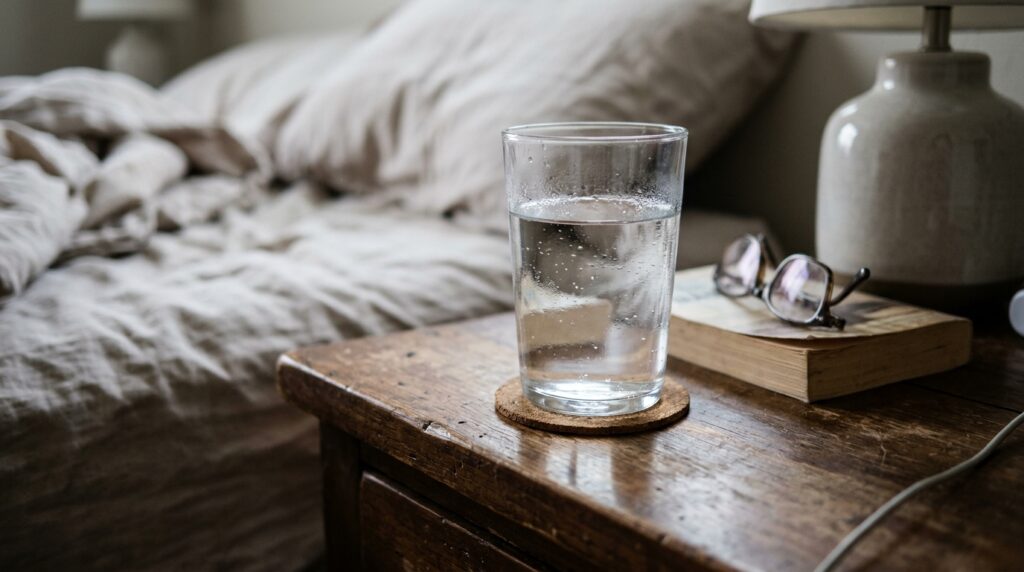
Drink water. Hydration helps your kidneys clear uric acid, and dehydration is itself a flare trigger. Skip alcohol entirely during a flare; it’s pouring fuel on the fire.
Don’t start or stop long-term gout medication mid-flare unless your doctor tells you to — changing uric acid levels abruptly during a flare can make it worse.
Preventing the next one
One flare is miserable. Recurrent flares are a pattern, and the pattern is what needs treating. If you get two or more flares a year, or you have tophi (chalky lumps of crystals under the skin), kidney stones, or joint damage, guidelines generally recommend daily uric-acid-lowering medication — most commonly allopurinol — which dissolves the crystal burden over months and prevents future attacks. This is a long-term commitment, not a one-week course, and it works best when uric acid is monitored with blood tests.
Diet helps but rarely fixes gout alone. The practical version: limit red meat and organ meats, keep shellfish portions modest, avoid beer and sugary drinks sweetened with fructose, drink plenty of water, and keep your weight in a healthy range with gradual (not crash) weight loss. Low-fat dairy appears protective, and cherries get mentioned a lot — the evidence is modest, but they don’t hurt. The honest truth is that for many people with recurrent gout, diet plus medication beats diet alone by a wide margin, and skipping medication because you’d rather “do it naturally” usually means more flares, not fewer.
FAQ
Is gout just caused by eating rich food?
No — that’s an old stereotype. Diet matters, but genetics and kidney function matter more. Plenty of people with gout eat modestly, and plenty of heavy eaters never get it.
How long does a flare last?
Most flares peak within 24 hours and settle over three to seven days with treatment. Without treatment, they can last up to two weeks.
Can I exercise during a flare?
Rest the affected joint during a flare. Once it settles, regular gentle exercise is good for gout overall — just avoid stressing a joint that’s still inflamed.
Will I need medication forever?
Often, yes, if flares recur. Uric-acid-lowering medication is usually long-term, because stopping it lets crystals rebuild. Your doctor will monitor your levels and adjust the dose.
How is gout diagnosed?
Often from the classic pattern, plus a blood test for uric acid. The definitive test is drawing fluid from the joint and finding urate crystals under a microscope — that’s also how doctors rule out a joint infection, which can look very similar.
Sources
- Mayo Clinic — Gout: symptoms, causes, diagnosis and treatment
- Mayo Clinic Community Health — Understanding gout: a guide for patients (2025)
- Centers for Disease Control and Prevention — Gout basics
- American College of Rheumatology — Gout management guidelines
Medical disclaimer: This article is for general information only and is not medical advice. A first episode of sudden, severe joint pain, a hot joint with fever, or recurrent flares should be evaluated by a clinician.