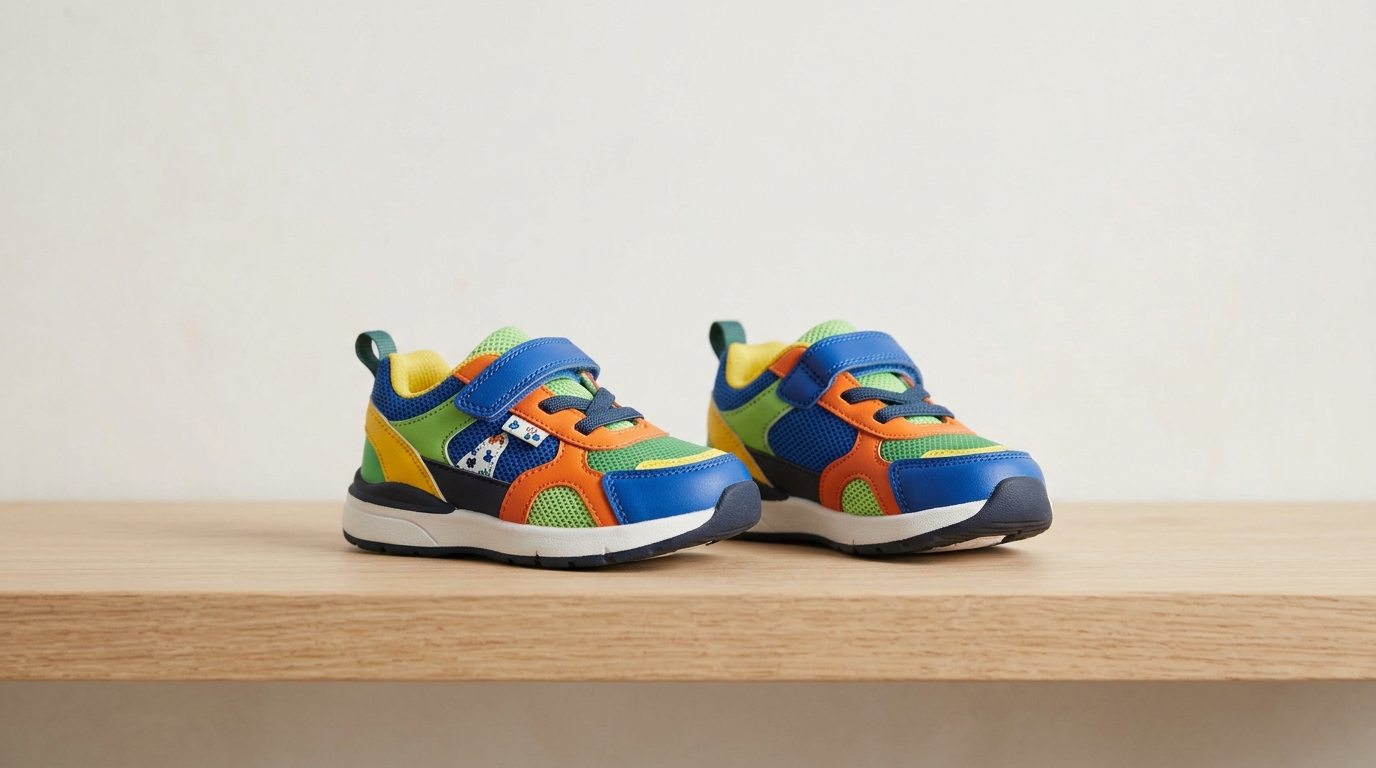
When parents look up foot pain in children, the answer is usually reassuring — growing pains, tired feet after a busy day, or shoes that don’t fit are the usual culprits. But some causes need attention: aching flat feet, heel pain in active kids, ingrown toenails, or pain after an injury that won’t settle. As a rule of thumb, pain that keeps coming back, affects one foot only, causes limping, or comes with swelling or redness deserves a doctor’s check, not a dismissal as growing pains.
See a doctor promptly if your child has any of these:
- Pain in one foot or one joint only, or pain that keeps coming back over weeks
- Limping, refusing to walk, or avoiding activities they usually enjoy
- Swelling, redness, warmth, or a fever along with the foot pain
- A deformed-looking foot, or injury pain not improving after a few days
- Pain that repeatedly wakes them at night, or pain with a rash, joint swelling elsewhere, or unexplained weight loss
Why children’s feet hurt
Children’s feet are still developing, and that alone explains a lot of complaints. Bones, muscles, and ligaments are growing fast, arches are still forming, and days are spent running, jumping, and climbing — often in shoes already outgrown. Aching after a long, active day is normal and usually fades with rest. The trick is knowing which pains are just growing up.
Growing pains are the classic example. They typically show up in the evening or at night, often in both legs or feet, and vanish by morning. They don’t cause daytime limping, and the foot doesn’t look swollen or red. If pain fits that pattern — both sides, evenings only, no swelling, normal daytime walking — it’s usually nothing to worry about, though worth mentioning at your child’s next check-up.
Flat feet are another common cause. Most young children have flat-looking feet because their arches haven’t developed yet, and that’s normal. But some children keep flat feet that ache during walking, running, or standing, and tire easily or complain of pain in feet, ankles, or legs. The Cleveland Clinic notes flexible flat feet — an arch appearing on tiptoes — are usually painless, while rigid or painful flat feet should be assessed.
For sporty kids, heel pain has a specific usual suspect: Sever’s disease. Despite the scary name, it’s not a disease — it’s inflammation of the heel bone’s growth plate, common in children aged around 8 to 14 during growth spurts, especially those who run and jump a lot. The Mayo Clinic describes heel pain that worsens with activity and eases with rest. It’s the most common cause of heel pain at this age, and settles as the growth plate matures.
Other sports causes include sprains from a twist or awkward landing, stress from suddenly increasing training, and worn-out shoes with no cushioning. Ingrown toenails hurt sharply and can become red and infected, especially if nails are cut too short or shoes squeeze the toes. And tight shoes are an underrated cause — children outgrow shoes faster than parents expect, and a too-short or narrow shoe causes toe pain, blisters, and sore pressure points.
What helps children’s foot pain
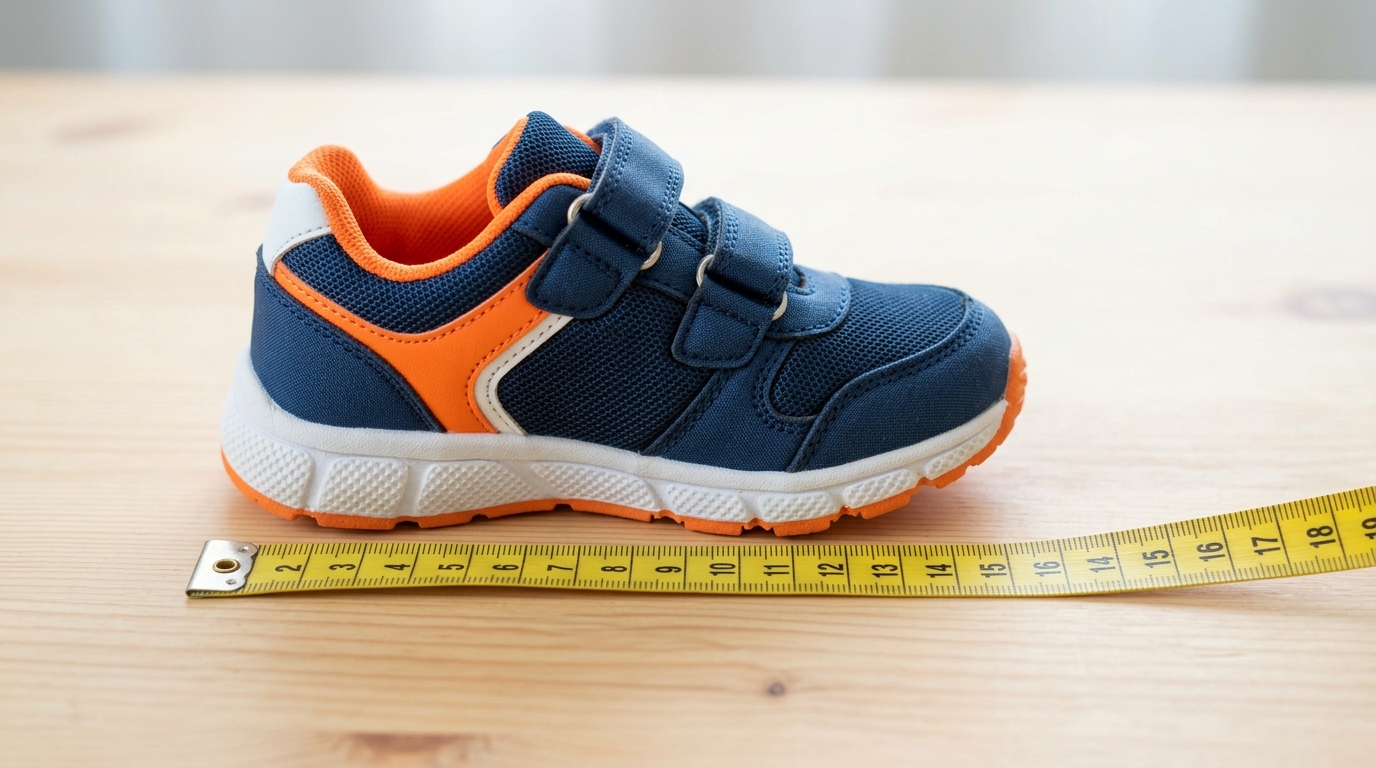
For everyday aches, the basics work: rest, ice on a sore spot for 10 to 15 minutes, and comfortable, well-fitting shoes with room for toes to wiggle. Check fit regularly — a thumb’s width between the longest toe and the shoe’s end is a good guide — and replace worn-out shoes once cushioning is gone. The NHS advises children’s shoes should be flexible, supportive, and properly fitted, and that barefoot time at home is healthy for developing feet.
For heel pain like Sever’s disease, ease off the aggravating activity for a while, stretch calves gently, and use cushioned heel inserts or supportive shoes. The Mayo Clinic notes rest, ice, and stretching usually settle the pain, and children can return to sport gradually as symptoms allow. Don’t push a child through significant pain to finish a season.
For ingrown toenails, soak the foot in warm water, keep it clean, and cut nails straight across rather than rounding the corners. If the toe becomes very red, swollen, or starts oozing, or if your child has diabetes or poor circulation, get medical advice rather than digging it out at home. After an injury, the same first aid applies as for adults — rest, ice, elevation — with a lower threshold for getting checked, since children aren’t always reliable reporters of how bad something feels.
A daily routine for healthy young feet
Start the day with shoes that fit: check fit every couple of months, and don’t wait for your child to complain — many won’t mention tight shoes until they’re really uncomfortable.
After school or sport, rest feet. Barefoot time at home, gentle calf stretches for sporty kids, and a check for blisters or sore toenails.
In the evening, watch for patterns: pain every evening, morning limping, or complaints repeating week after week are worth noting for your child’s doctor.
Frequently asked questions
Are growing pains real, or just an excuse?
They’re real and common. Growing pains usually affect both legs or feet, show up in the evening or at night, and are gone by morning, with no swelling or daytime limping. Pain on one side only, limping, or swelling isn’t typical growing pain and should be checked.
Should children with flat feet wear special shoes or insoles?
Most children with flexible flat feet need no treatment; arches often develop on their own. Supportive shoes and insoles can help if flat feet cause pain or tiredness during activity, but get painful flat feet assessed by a doctor or podiatrist first.
What is Sever’s disease and does it need treatment?
Sever’s disease is inflammation of the heel’s growth plate, common in active children aged around 8 to 14. It causes heel pain that worsens with activity and eases with rest. It usually settles with rest, ice, stretching, and cushioned shoes as the growth plate matures — but persistent pain should still be assessed.
When should I worry about my child’s foot pain?
Worry sooner if pain is one-sided, keeps coming back, causes limping or refusal to walk, comes with swelling, redness, warmth, or fever, or follows an injury that isn’t improving. Night pain that keeps waking your child also warrants a prompt check.
Is it okay for children to go barefoot?
Yes — barefoot time at home is healthy for developing feet and builds strength and balance. Avoid rough or unsafe surfaces, and children with diabetes or foot wounds should wear protective footwear.
Related reading: Flat Feet and Foot Pain from Tight Shoes.
Sources
- Mayo Clinic — Sever’s Disease: Symptoms and Causes
- Cleveland Clinic — Flat Feet in Children
- NHS — Children’s Foot Health and Footwear Guidance
- American Academy of Orthopaedic Surgeons — Foot Pain in Children
This article is for information only and is not medical advice. If your child’s foot pain keeps coming back, affects only one foot, causes limping, or comes with swelling, redness, or fever, see a healthcare professional rather than assuming growing pains.