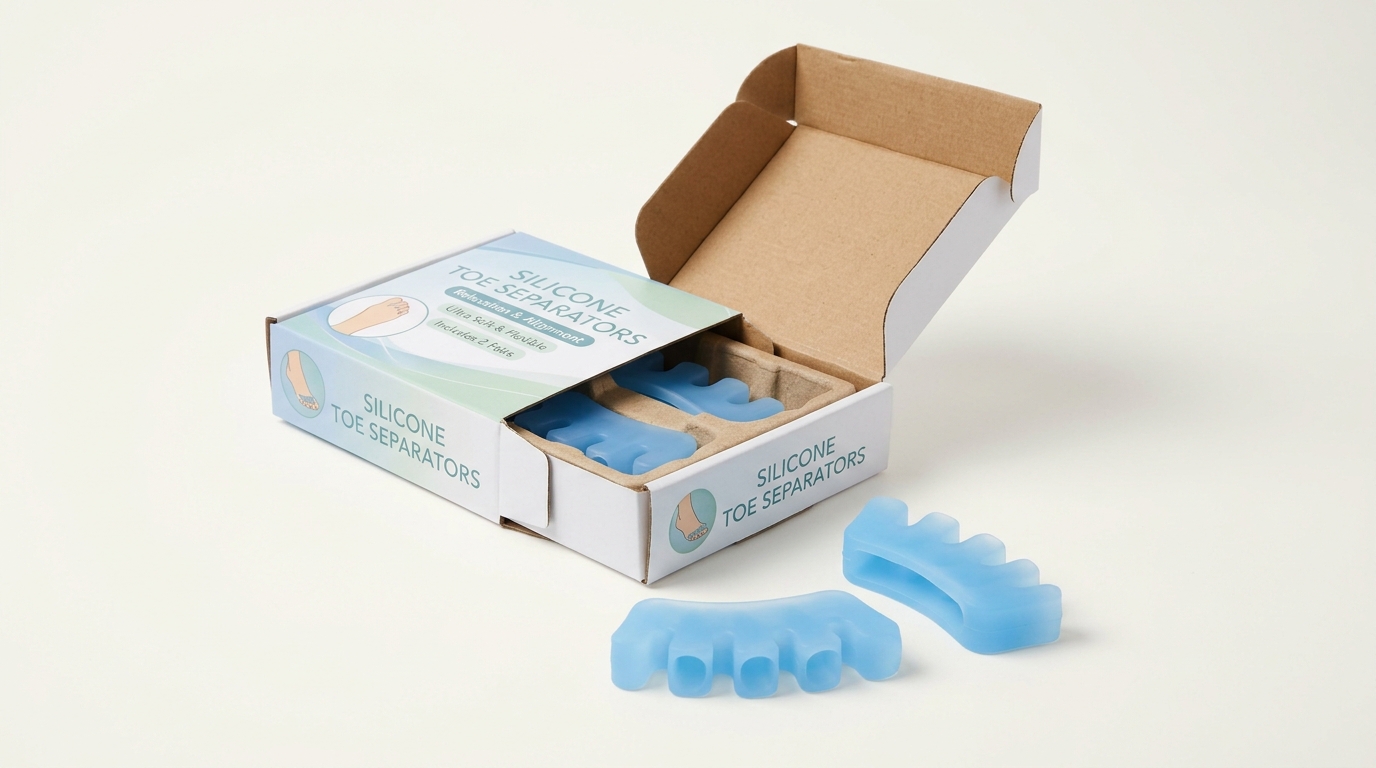
Claw toes happen when the toes curl downward at the middle and end joints instead of lying flat. The most common claw toes causes are nerve damage, muscle imbalance in the foot, arthritis, and years of wearing shoes that squeeze your toes. That curling changes how your foot bears weight, which is why corns and sore spots often show up on top of the toes or the balls of your feet. Early on, the toes may still straighten when you flex them, and roomy shoes, toe exercises, and padding can help a lot. But once the joints stiffen, the curling usually won’t reverse without treatment, so get it checked sooner rather than later.
See a doctor promptly if you notice any of these:
- Toes that have become stiff and won’t straighten, even when you try to flex them
- Open sores, blisters, or signs of infection on top of your toes or the balls of your feet
- Pain that keeps worsening, or swelling and redness that doesn’t settle
- Numbness, tingling, or weakness in your feet, especially if it spreads or comes on suddenly
- Clawing that appears in one foot only, or that gets worse quickly over weeks
- You have diabetes or poor circulation and notice any foot sore, however small
What claw toes are and why they happen
Claw toes happen when the toes bend abnormally at two joints: the middle joint curls downward and the end joint curls down too, while the joint at the base of the toe often bends upward. The result is a toe that looks hooked or claw-like and doesn’t sit flat on the ground the way it should.
The root cause is usually an imbalance between the muscles and tendons that bend and straighten the toes. When the muscles on top of the foot overpower the smaller muscles underneath, the toes get pulled into that curled position. Nerve damage is one of the most common drivers. Diabetes is the best-known example: over time, high blood sugar can damage the nerves in the feet, weakening the small foot muscles and letting the toes curl. Other nerve conditions can do the same thing.
Arthritis can also stiffen and deform the toe joints directly, and an old injury or previous foot surgery can change how the tendons pull. Tight, narrow shoes — especially high heels that force your toes into a cramped box — don’t usually cause claw toes on their own, but they can make existing curling worse and far more painful.
At first, claw toes are usually flexible, meaning you can still straighten them by hand or by pressing them against the floor. Left alone, though, the tendons shorten and the joints stiffen, and the toes become rigid. Once that happens, the deformity is much harder to correct without surgery.
What helps claw toes
The first step is almost always footwear. The Cleveland Clinic recommends shoes with a wide, deep toe box that give your toes room to lie flat, along with a low heel so your weight doesn’t get pushed forward onto the balls of your feet. If your current shoes squeeze your toes, switching to a roomier pair can ease pain surprisingly fast.
Padding and supports help with the pressure points. Gel pads or moleskin over the tops of the toes can stop corns from rubbing raw, and metatarsal pads — small cushions placed just behind the balls of your feet — can redistribute pressure away from sore spots. The Mayo Clinic notes that orthotics and padding are commonly used to relieve pain from toe deformities, though they don’t correct the deformity itself.
Exercises are worth doing while the toes are still flexible. Try picking up a towel or a marble with your toes, spreading your toes wide and holding for a few seconds, and gently stretching each toe straight with your hand. These moves strengthen the small muscles underneath the foot and keep the tendons from tightening further.
When pain persists despite good shoes and padding, or when the toes have become rigid, talk to a doctor or podiatrist. Options at that stage include splints or taping, and, for severe or painful rigid cases, surgery to release tight tendons or realign the joints. The American Academy of Orthopaedic Surgeons notes that surgery is typically reserved for cases where conservative care hasn’t relieved pain, or where the deformity is causing ulcers. If you have diabetes, don’t wait for the pain to become severe — any sore on a curled toe deserves a prompt check.
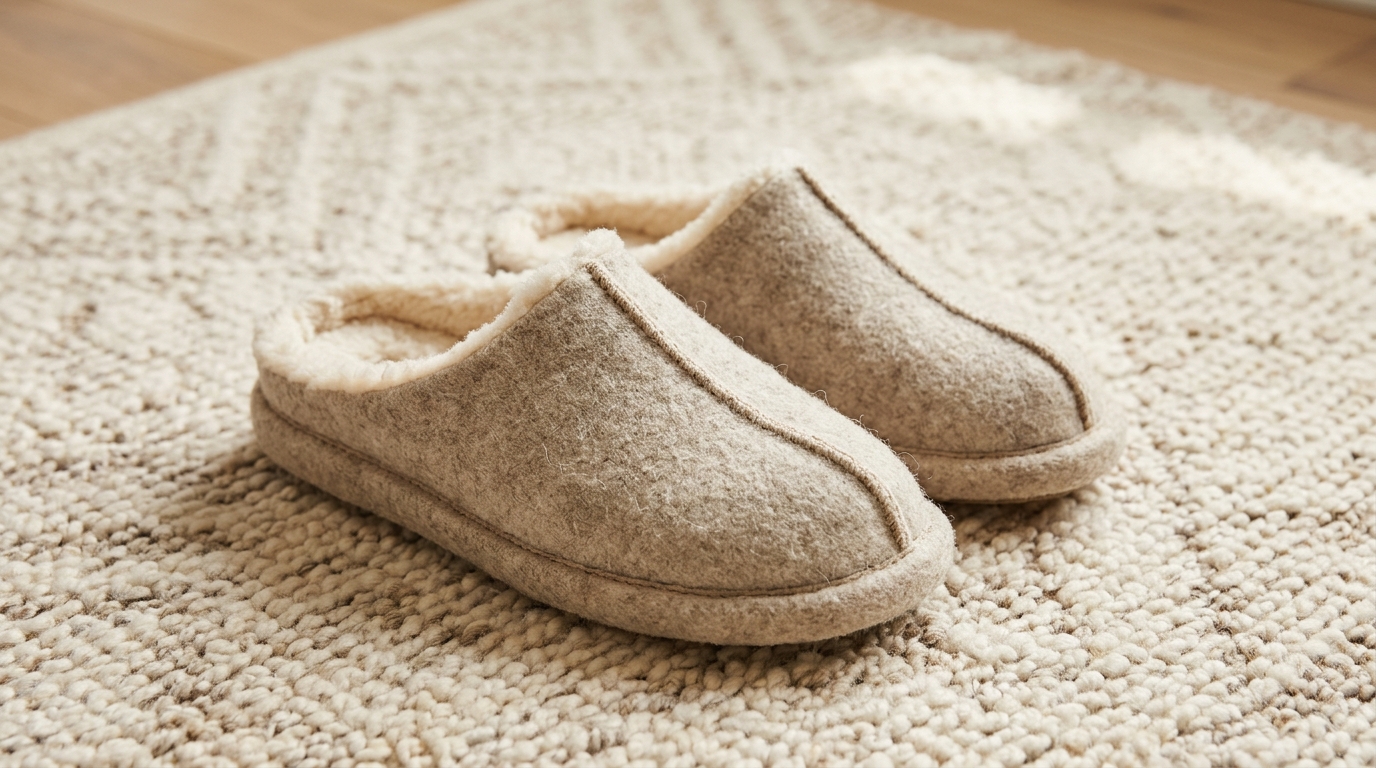
A daily routine for claw toes
Start the morning by checking your feet, especially if you have diabetes or reduced feeling — look for redness, blisters, or sore spots on top of your toes and the balls of your feet.
Do a few minutes of toe exercises before you get dressed: towel scrunches, toe spreads, and gentle stretches.
Wear roomy shoes with a wide toe box all day, with gel pads on any spot that rubs. Avoid high heels and narrow pointed shoes, which push curled toes further out of shape.
In the evening, check your feet again for new sore spots, moisturise the skin (but not between the toes), and keep any building callus thin with a gentle pumice stone — never cut at it yourself, especially if you have diabetes.
Frequently asked questions
Can claw toes be fixed without surgery?
If the toes are still flexible, yes — roomy shoes, padding, orthotics, and toe exercises can relieve pain and slow the curling. Once the joints have stiffened and the toes won’t straighten at all, surgery is usually the only way to correct the deformity itself.
What’s the difference between claw toes and hammertoes?
They’re close cousins. In a hammertoe, the middle joint bends down but the end joint stays straight, so the toe looks like an upside-down V. In a claw toe, both the middle and end joints bend down while the base joint bends up, giving a hooked shape.
Do tight shoes cause claw toes?
Tight shoes alone rarely cause claw toes from scratch — nerve damage, arthritis, and muscle imbalance are the bigger drivers. But cramped, pointed shoes and high heels can make existing clawing worse and more painful.
Are claw toes a sign of diabetes?
Not necessarily, but they’re a common complication of it. Diabetes can damage the nerves in the feet, weakening the small foot muscles and letting the toes curl. If you’ve developed claw toes, it’s worth asking your doctor about a diabetes check.
When should I see a doctor about claw toes?
See a doctor if your toes have become stiff and won’t straighten, if you have open sores or signs of infection, if pain is worsening, or if you have diabetes or poor circulation. Sudden clawing in one foot, or clawing that worsens quickly, also deserves a prompt check.
Related reading: Hammertoe Causes and Foot Pain from Tight Shoes.
Sources
- Cleveland Clinic — Claw Toe: Symptoms, Causes and Treatment
- Mayo Clinic — Hammertoe and Claw Toe: Diagnosis and Treatment
- American Academy of Orthopaedic Surgeons — Claw Toe
- NHS — Foot Problems and Toe Deformities
This article is for information only and is not medical advice. If your toes have become stiff, painful, or sore, or if you have diabetes or poor circulation, talk to a healthcare professional rather than relying on self-care alone.