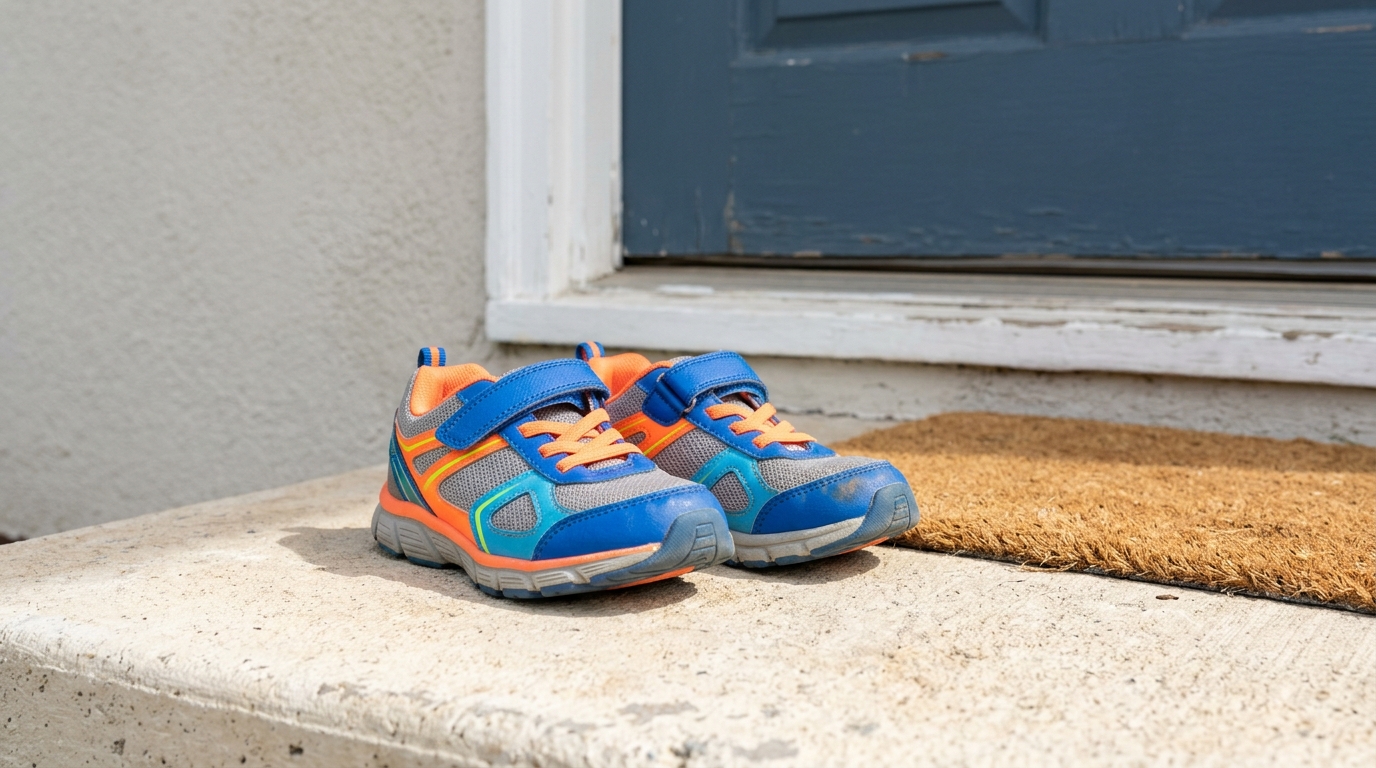
Heel pain in children is most often caused by growth-related irritation of the heel’s growth plate, overuse from sports, or shoes that don’t support a growing foot. It usually shows up as soreness at the back or bottom of the heel, especially during or after running, jumping, or practice. Most cases ease with rest, stretching, and better-fitting shoes, but limping, pain in both heels that won’t settle, or swelling that keeps getting worse deserves a doctor’s check.
See a doctor promptly if you notice any of these:
- A child who limps, refuses to walk, or can’t put weight on the heel
- Swelling, redness, or warmth around the heel that keeps getting worse
- Heel pain after a fall or injury, or pain that follows a fever
- Pain that doesn’t improve after a couple of weeks of rest and home care
- Heel pain in a child with diabetes, poor circulation, or a weakened immune system
What heel pain in children is and why it happens
If your child complains that their heels hurt, you’re not imagining it — and neither are they. Heel pain is one of the most common foot complaints in kids, especially between the ages of about 8 and 14, when growth spurts and busy sports schedules collide.
The leading cause is a condition called Sever’s disease, more accurately known as calcaneal apophysitis. That’s a mouthful, but the idea is simple: the heel bone has a growth plate at the back, and while a child is growing, that plate is softer and more vulnerable than the rest of the bone. Repeated running and jumping pulls on the Achilles tendon, which tugs at the growth plate and irritates it. The result is soreness at the back or bottom of the heel, often worse during or right after activity. It’s not a disease in the scary sense — it’s a growth-related irritation, and it goes away once growth slows down. But while it’s active, it can genuinely hurt.
Overuse is the other big driver. Kids who play soccer, basketball, gymnastics, or track put repeated stress on their heels. Add in flat feet or very high arches, tight calf muscles, or a sudden jump in training intensity, and the heel takes even more of the load. Sometimes the trigger is simpler: a growth spurt means last season’s shoes no longer fit, and a child is running around in shoes that are too small or worn out at the heel.
Less common causes matter too. A heel bruise from landing hard or an Achilles irritation can also cause heel pain. The pattern matters: pain that comes on gradually with activity and eases with rest usually points to irritation or overuse, while pain after a clear injury, pain at rest, or pain that keeps worsening needs a closer look.
What helps heel pain in children
The good news is that most childhood heel pain responds well to simple, boring measures — rest, stretching, and footwear changes — and rarely needs anything dramatic. The American Academy of Orthopaedic Surgeons notes that Sever’s disease is typically treated with rest from aggravating activities, ice, and stretching of the calf muscles, and that most children outgrow it as the growth plate matures.
Rest doesn’t have to mean sitting on the couch for weeks. It usually means cutting back on the activities that provoke the pain — fewer practices, no extra running drills, a break from jumping sports — while keeping the child moving in gentler ways like walking or swimming.
Stretching is the part families most often skip, and it’s the one that tends to make the biggest difference over time. Tight calves pull harder on the heel, so a daily calf stretch — standing facing a wall, one foot back, heel flat on the floor, leaning in gently — helps reduce that tug. The Mayo Clinic advises stretching the calf and Achilles regularly for heel-related pain, and keeping stretches gentle: a stretch should feel like a pull, never sharp pain.
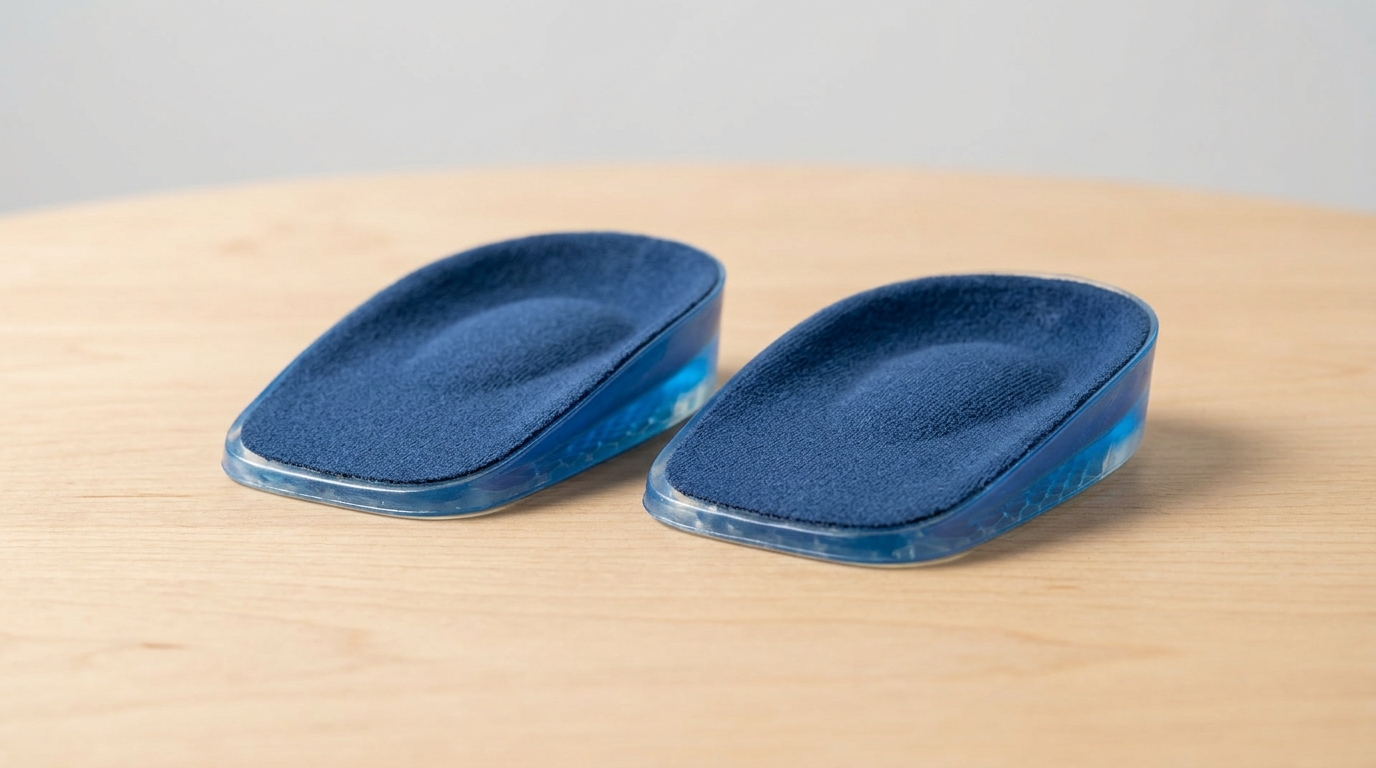
Footwear is the other fix that pays off fast. Shoes with a cushioned heel, decent arch support, and a proper fit matter far more than brand names. Heel cups or gel inserts can cushion the sore area, and if your child has flat feet, a supportive insole may help spread the load. Avoid completely flat shoes, worn-out trainers with collapsed heels, and cleats with no cushioning for daily wear. If pain persists despite rest, stretching, and better shoes, a doctor may suggest a walking boot, physical therapy, or custom orthotics — but that’s the exception, not the rule.
A daily routine for a sore heel
Start the morning with a gentle calf stretch before school — a minute or two per leg, holding each stretch for about 30 seconds. It loosens overnight stiffness and sets the heel up better for the day.
During the day, make sure your child is wearing supportive, well-fitting shoes, not flat slip-ons or hand-me-downs that have lost their shape. If practice is on, talk to the coach about easing back on jumping and sprinting drills during a flare-up.
In the evening, ice the heel for 15 minutes after activity, then repeat the calf stretches before bed. If the heel is still sore the next morning, the previous day’s activity was too much — scale back further rather than pushing through.
Frequently asked questions
What is Sever’s disease, and is it serious?
Sever’s disease is irritation of the heel’s growth plate, caused by the Achilles tendon pulling on it during growth. It sounds alarming, but it’s not a disease in the usual sense and it doesn’t cause lasting damage. It usually resolves on its own as growth slows, though it can be painful in the meantime.
Should my child stop playing sports if their heels hurt?
Not necessarily, but they should cut back on the activities that provoke the pain. Shorter practices, fewer jumping drills, and a break from the hardest sessions usually help. If the pain is severe or your child is limping, a full break until the pain settles is the safer choice.
Do heel cups or insoles help children with heel pain?
Often, yes. A cushioned heel cup reduces impact on the sore area, and a supportive insole can help if flat feet are part of the problem. They’re a low-cost first step worth trying alongside rest and stretching.
How long does heel pain in children usually last?
It varies. Mild cases can settle within a few weeks of rest and stretching, while growth-related pain may come and go for months during a growth spurt. If it hasn’t improved after a couple of weeks of consistent home care, get it checked.
When should I take my child to the doctor for heel pain?
Go promptly if your child limps or can’t bear weight, if there’s swelling or redness that worsens, if the pain followed an injury, or if it doesn’t improve with rest. A doctor can rule out fractures or other causes and may recommend a boot or physical therapy.
Related reading: Foot Pain in Children and Heel Pain at Night.
Sources
- American Academy of Orthopaedic Surgeons — Sever’s Disease
- Cleveland Clinic — Sever’s Disease: Symptoms, Causes and Treatment
- Mayo Clinic — Heel Pain: Causes and Self-Care
This article is for information only and is not medical advice. If your child’s heel pain is severe, causes limping, or doesn’t improve with rest and home care, talk to a healthcare professional for an in-person assessment.