Sesamoiditis symptoms usually centre on pain under the ball of your foot, right beneath the big toe joint. The ache builds gradually rather than arriving suddenly, and it tends to get worse when you walk, run, jump, or push off your toes — and ease when you rest. You may also notice swelling, tenderness when you press the area, and stiffness in the big toe, especially first thing in the morning. The pain often comes and goes at first, flaring during activity and settling afterwards, which is why it is easy to dismiss until it starts changing how you walk.
See a doctor promptly if you notice any of these:
- Pain that is severe, sudden, or follows a direct injury or a fall onto the forefoot
- Swelling, bruising, or a big toe that looks out of place or will not move
- Pain that does not improve after two weeks of rest and simple care
- Numbness, tingling, or colour change in the big toe
- You have diabetes, poor circulation, or a foot wound alongside the pain
What sesamoiditis is and why it happens
Under the head of the first metatarsal bone, right behind your big toe joint, sit two tiny pea-shaped bones called sesamoids. They are embedded in tendons, and they work a bit like the kneecap does: they protect the tendon, absorb pressure, and give the big toe leverage when you push off the ground. Every step you take loads them, and activities like running, dancing, and jumping load them a great deal more.
Sesamoiditis is inflammation of those small bones and the tissues around them. It is usually an overuse problem rather than the result of one dramatic injury. It is common in runners, dancers, and people who play sports that involve a lot of pushing off the forefoot, and it also shows up in people who wear high heels or thin-soled shoes, because both shift more pressure onto the ball of the foot. A high arch can add to the load too, since it concentrates pressure on the forefoot.
Because the sesamoids are small and buried deep in the foot, the pain can be hard to pin down at first. People often describe it as a dull ache or a bruised feeling under the ball of the foot, sometimes with a sense that something is “in the way” when they step. Unlike a fracture, which usually follows a clear injury and hurts sharply right away, sesamoiditis tends to creep up over days or weeks of repeated stress.
It is worth knowing that sesamoid problems are not always simple inflammation. The bones can fracture under stress, and in rare cases the blood supply to one sesamoid can be disrupted. That is one reason persistent pain deserves a proper assessment rather than months of guesswork.
What helps sesamoiditis
The first step is to take pressure off the area. Rest from the activity that aggravates it is the single most effective move, and it is also the one people resist most. Continuing to run or dance through the pain usually just prolongs it. In the early days, icing the ball of the foot for 15 to 20 minutes a few times a day can calm the inflammation, and over-the-counter pain relief may help in the short term if it is safe for you.
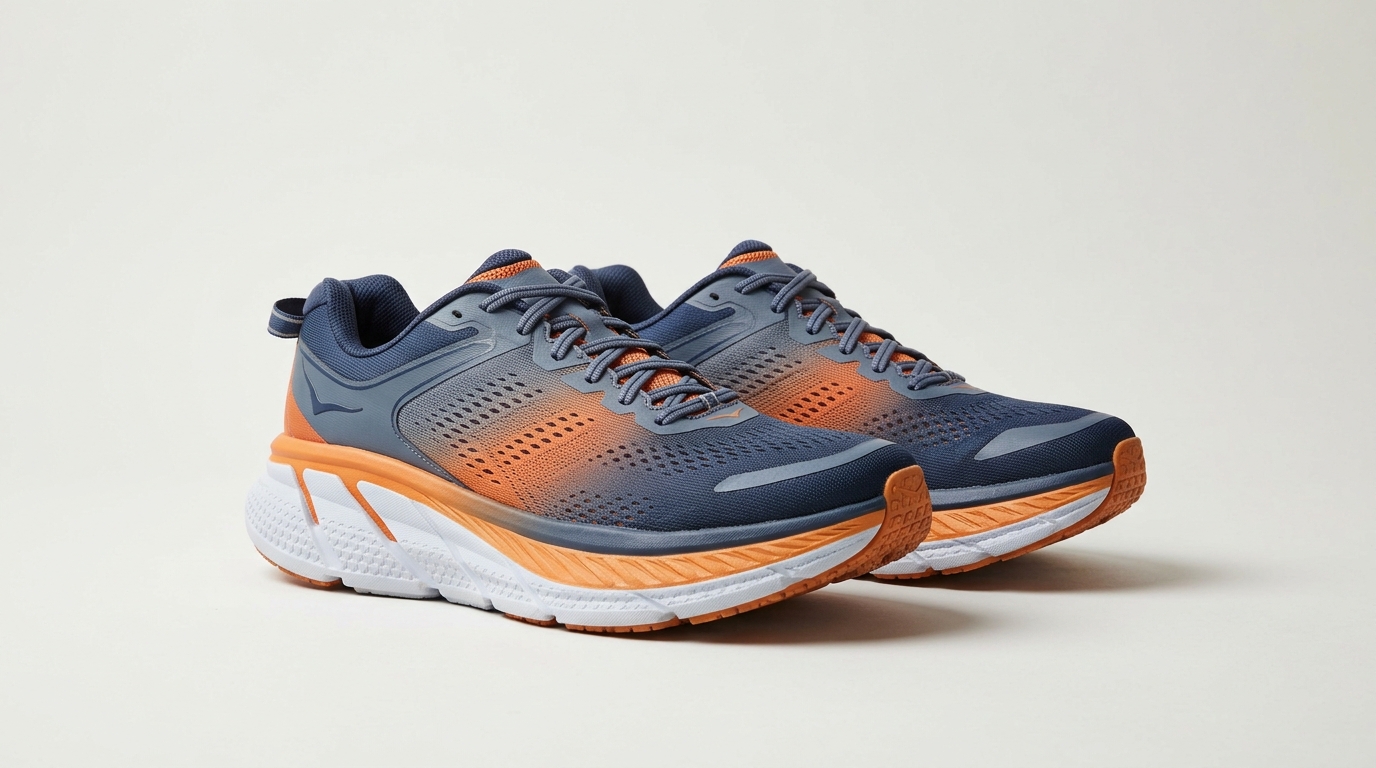
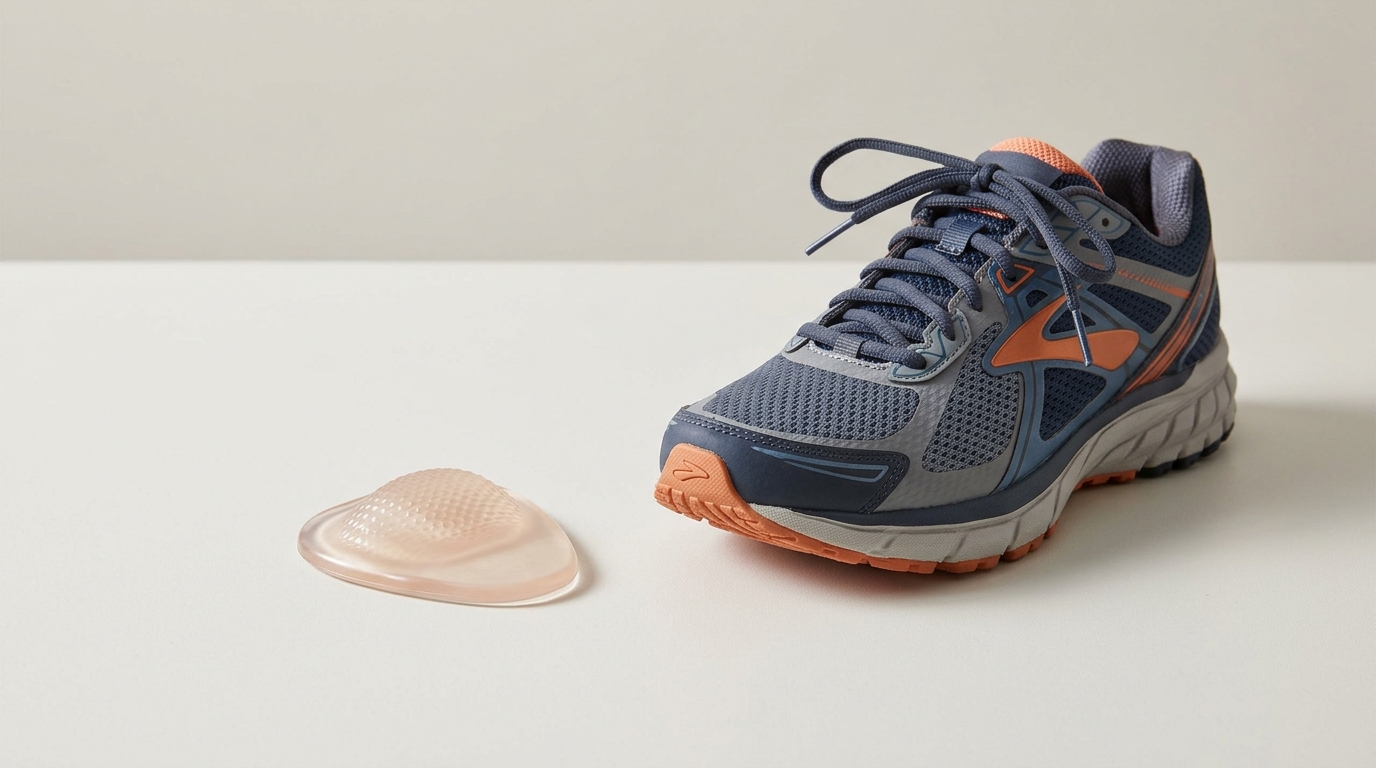
Footwear matters a great deal. Low-heeled shoes with a cushioned sole take load off the forefoot, and a stiff-soled shoe or a shoe with a rocker bottom reduces how much the big toe joint has to bend when you walk. Many clinicians recommend a metatarsal pad or a dancer’s pad — a small cushion placed just behind the ball of the foot — which spreads pressure away from the sesamoids. The American Academy of Orthopaedic Surgeons notes that padding, activity modification, and supportive footwear are the mainstays of conservative treatment, and that most cases improve without surgery.
Once the pain settles, gentle mobility work for the big toe joint and calf stretching can help restore normal movement, but aggressive stretching of a sore forefoot usually backfires. If pain persists beyond a couple of weeks despite rest and padding, see a clinician. They may order an X-ray or MRI to rule out a fracture, and in some cases a walking boot or custom orthotics are needed to fully unload the joint. Surgery is rare and is reserved for cases that do not respond to months of conservative care.
While you recover, keep an eye on how you walk. Limping to avoid the pain shifts load to the outside of the foot or the other leg, and that can create a second problem. Shorter, slower walks in supportive shoes are better than long walks in flat, flexible footwear.
A daily routine for sesamoid pain
In the morning, check how the foot feels before you get going, and choose shoes with cushioning and a low heel. If the ball of the foot is tender, add a metatarsal pad before you leave the house rather than after the pain flares.
During the day, avoid barefoot walking on hard floors, which concentrates pressure on the sesamoids, and skip high heels and thin, flexible flats. If you must be on your feet for a long stretch, sit down and ice the area when you get a break.
In the evening, ice the ball of the foot if it aches, do gentle big-toe mobility only if it is pain-free, and note whether the pain is trending down over days. If it is not, book an appointment instead of waiting another month.
Frequently asked questions
What does sesamoiditis feel like?
Most people feel a dull, aching or bruised pain under the ball of the foot, just beneath the big toe joint. It usually worsens when you push off your toes and eases with rest, and pressing the area is often tender.
How is sesamoiditis different from a fracture?
Sesamoiditis builds gradually from overuse, while a fracture usually follows a specific injury and hurts sharply from the start. Only imaging can tell them apart reliably, which is why persistent pain should be checked.
Can I keep running with sesamoiditis?
Running through it usually prolongs the problem. A short break from running and other forefoot-loading activities, plus padding and better footwear, gives the inflammation a real chance to settle.
Do I need special shoes for sesamoiditis?
Low heels, a cushioned and fairly stiff sole, and a metatarsal pad help most people. A clinician may recommend custom orthotics if the pain keeps returning.
How long does sesamoiditis take to heal?
Mild cases often improve within a few weeks of rest and offloading. More stubborn cases can take several months, and pain that does not improve after two weeks of careful self-care deserves medical review.
Sources
- American Academy of Orthopaedic Surgeons — Sesamoiditis
- Mayo Clinic — Foot Pain: Causes and When to Seek Care
- Cleveland Clinic — Sesamoiditis: Symptoms, Causes and Treatment
This article is for information only and is not medical advice. If your foot pain is severe, sudden, or not improving, talk to a healthcare professional for a proper diagnosis.