Peroneal tendinitis symptoms usually start as pain along the outside of the ankle and lower leg, often just behind the ankle bone. The ache tends to appear during or after activity — walking, running, or standing for a long time — and ease with rest, though it can become more constant if the tendons stay irritated. You may also notice swelling along the outer ankle, tenderness when you press behind the ankle bone, stiffness in the morning, and a feeling of weakness or instability, as if the ankle might give way. Some people hear a snapping or popping sensation when they move the ankle.
See a doctor promptly if you notice any of these:
- Sudden, severe outer ankle pain after a twist, sprain, or fall
- Swelling that comes with bruising, deformity, or an inability to bear weight
- A feeling that the ankle repeatedly gives way or a tendon visibly snaps out of place
- Numbness, tingling, or weakness in the foot
- Pain that does not improve after two weeks of rest and simple care
What peroneal tendinitis is and why it happens
The peroneal tendons run down the outside of the lower leg, pass behind the ankle bone, and attach to the foot. Their job is to stabilise the ankle, help turn the foot outward, and control the foot as it lands. Because they sit close to the bone and change direction sharply around the ankle, they take a lot of friction and load.
Peroneal tendinitis is inflammation of these tendons, and it is almost always an overuse injury. It is common in runners, especially those who have suddenly increased mileage, run on uneven ground, or train in worn-out shoes. People with high arches are more prone to it, because a high-arched foot tends to roll outward and puts extra work on the peroneal tendons. A previous ankle sprain can also set it up: a sprained ankle can stretch or weaken the tendons and the ligament that holds them in place.
The pain often starts subtly. You might feel a mild ache on the outside of the ankle after a run, assume it is just soreness, and carry on. Over weeks, the ache shows up earlier in the activity, lingers longer afterwards, and may start to appear during ordinary walking. Morning stiffness is common, since the tendons stiffen overnight and need a while to loosen.
It is important to distinguish tendinitis from a tendon tear or subluxation, where a tendon slips out of its groove behind the ankle bone. That usually causes a visible snap or pop and a feeling of instability, and it needs a clinician’s assessment rather than home care alone.
What helps peroneal tendinitis
Rest is the foundation. That does not necessarily mean complete bed rest, but it does mean cutting back on the activity that irritates the tendons — usually running, cutting sports, or long walks on uneven ground — until the pain settles. Icing the outer ankle for 15 to 20 minutes a few times a day can reduce inflammation, and over-the-counter pain relief may help in the short term if it is safe for you.
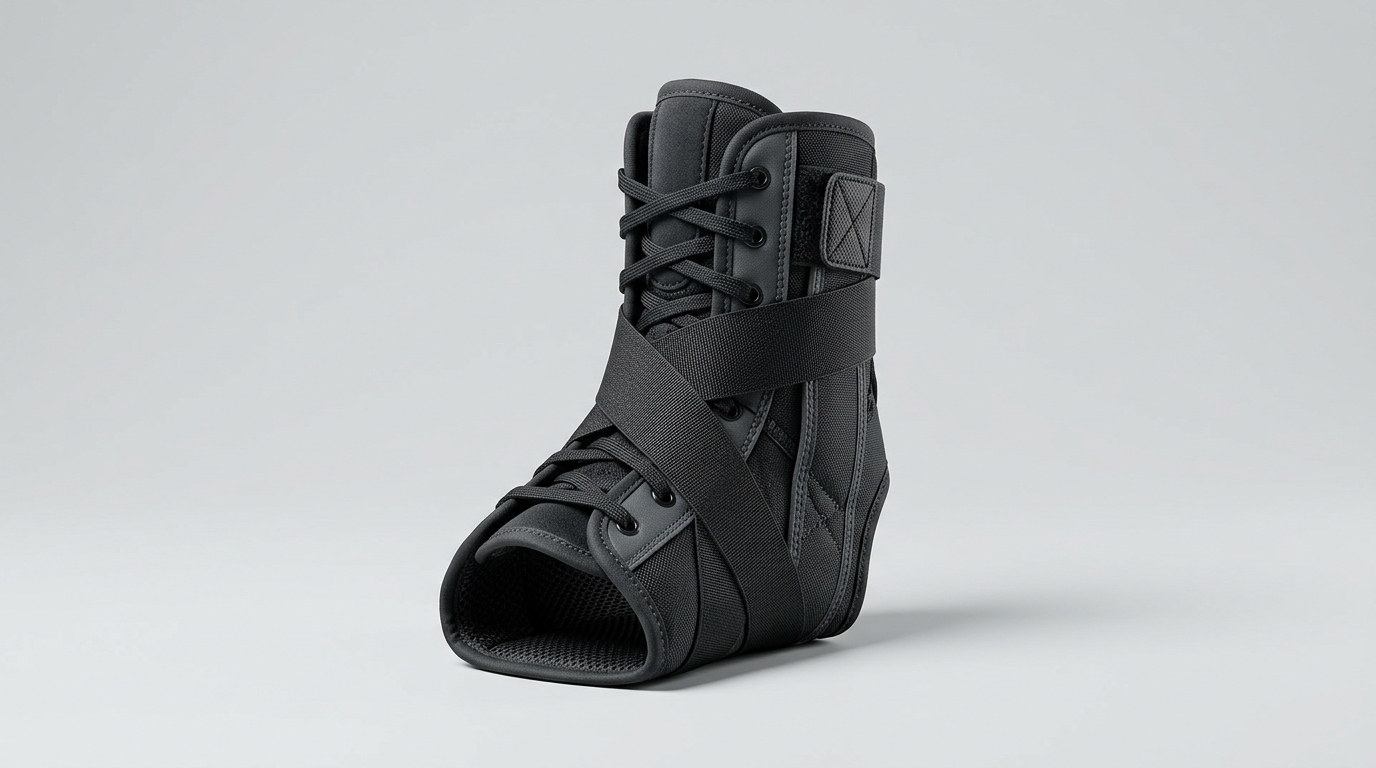
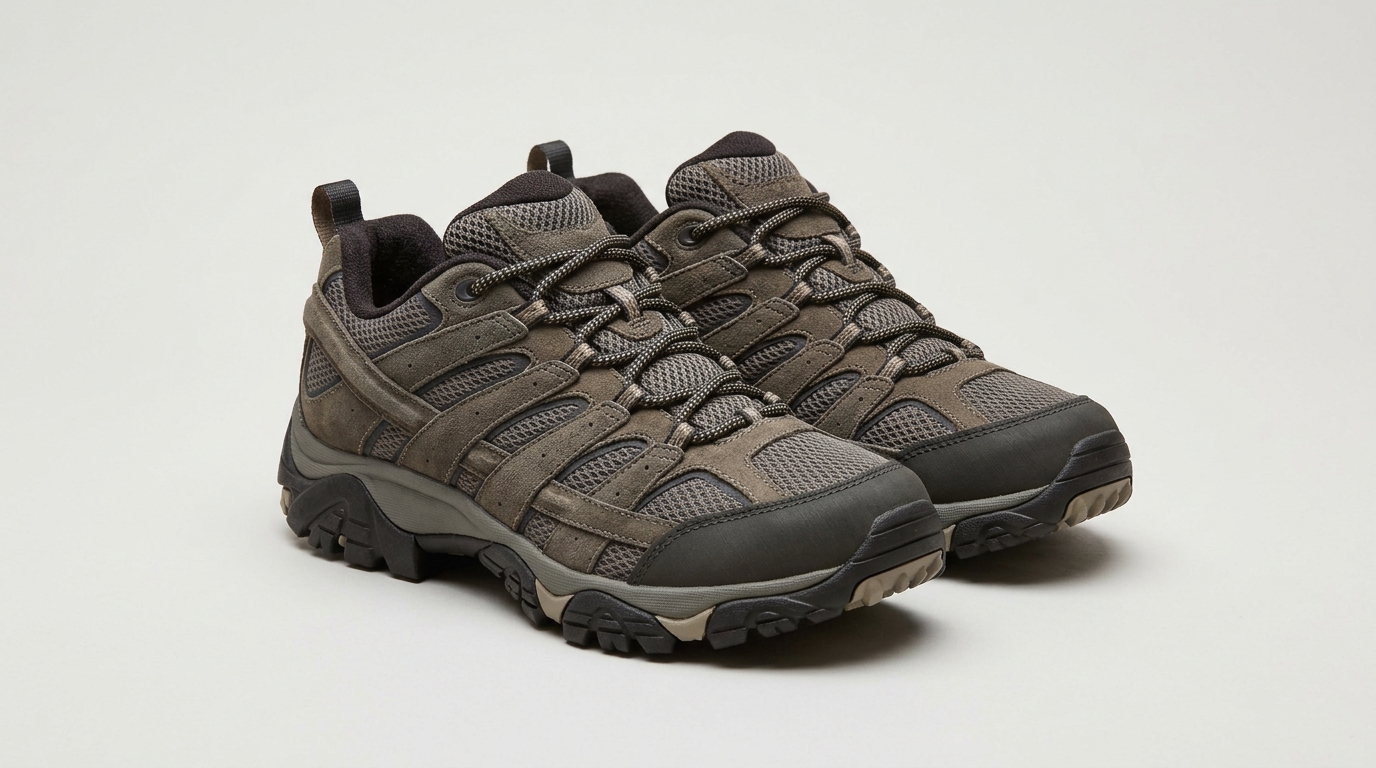
Support matters too. An ankle brace or taping can stabilise the ankle and reduce tendon strain while you heal, and supportive shoes with good lateral stability help more than soft, floppy footwear. The Cleveland Clinic notes that rest, ice, bracing, and physical therapy are the core of conservative treatment for peroneal tendon problems, and that therapy focuses on strengthening the peroneal muscles and improving ankle stability and balance.
Once the acute pain fades, a gradual strengthening programme is what keeps it from coming back. Eccentric calf and peroneal exercises, balance work, and a slow return to running — increasing distance gradually rather than jumping back to full mileage — are the usual path. Rushing back is the most common reason this injury recurs.
If pain persists despite several weeks of careful treatment, or if the ankle keeps giving way, see a clinician. Imaging can reveal a partial tear or a tendon that is slipping out of place, and those problems sometimes need a boot, a longer period of immobilisation, or in rare cases surgery.
A daily routine for peroneal tendon pain
In the morning, move the ankle gently through its range before standing, and wear supportive shoes rather than flat, unsupportive ones. If the ankle feels stiff, a warm shower before activity can help loosen it.
During the day, avoid uneven ground and sudden side-to-side movements. If you must be active, an ankle brace can add stability, and ice afterwards if the area aches.
In the evening, ice the outer ankle if it is sore, do your prescribed strengthening or balance exercises if you have them, and keep track of whether the pain is easing week by week. A plateau that lasts more than two weeks is a good reason to get checked.
Frequently asked questions
Where does peroneal tendinitis hurt?
Usually along the outside of the ankle and lower leg, just behind the ankle bone. The pain may run up the side of the calf or down toward the outer edge of the foot.
Is peroneal tendinitis the same as an ankle sprain?
No, though a sprain can lead to it. A sprain injures ligaments in a single event, while tendinitis is inflammation of the tendons that builds from overuse. They can occur together, which is why a proper diagnosis matters.
Can I keep running with peroneal tendinitis?
Running through it usually makes it worse and can turn a short recovery into a long one. A break from running, plus bracing and strengthening, is the faster route back.
What causes the snapping feeling in peroneal tendinitis?
A snap or pop can mean a tendon is slipping out of its groove behind the ankle bone. If you feel that, especially with instability, get it assessed rather than trying to push through.
How long does peroneal tendinitis take to heal?
Mild cases often improve within a few weeks of rest and treatment. More irritated tendons can take six to eight weeks or longer, and recurrent cases need a strengthening programme to stay away.
Sources
- Cleveland Clinic — Peroneal Tendonitis: Symptoms, Causes and Treatment
- American Academy of Orthopaedic Surgeons — Peroneal Tendon Injuries
- Mayo Clinic — Tendinitis: Symptoms and Causes
This article is for information only and is not medical advice. If your ankle pain is severe, sudden, or not improving, talk to a healthcare professional for a proper diagnosis.