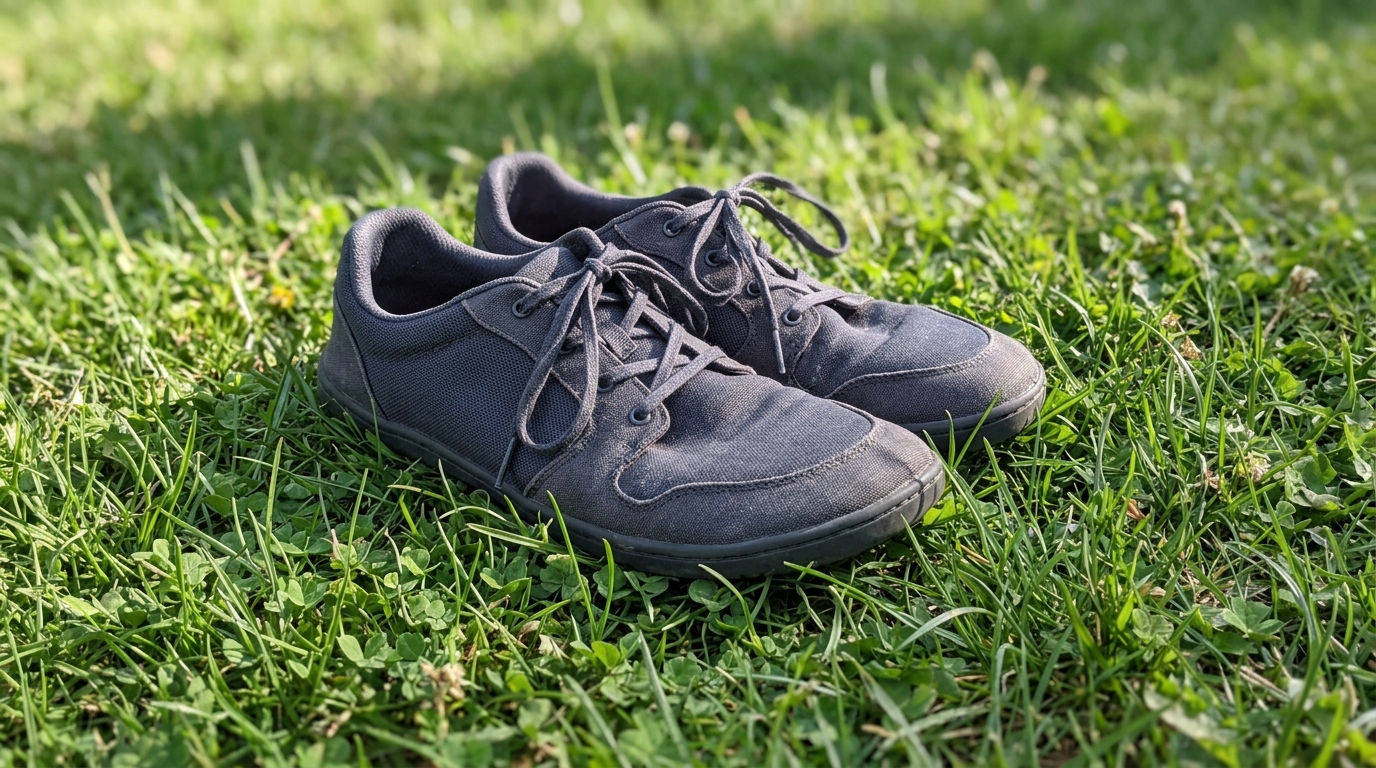
Is barefoot walking bad for feet? The honest answer is: it depends. For healthy feet on safe, natural surfaces like grass or sand, barefoot walking can strengthen the small muscles of the foot and improve balance and proprioception. But it can also be harmful — on hot pavement, rough ground, or hard indoor floors for long periods, and especially for people with diabetes, neuropathy, poor circulation, or existing foot conditions. The risks are real: cuts, burns, blisters, stress on the plantar fascia, and Achilles strain if you switch suddenly from supportive shoes. Done gradually, on the right surfaces, and with healthy feet, barefoot walking is not bad at all. Done all at once, everywhere, with vulnerable feet, it absolutely can be.
Do not walk barefoot and see a doctor promptly if you notice any of these:
- You have diabetes, neuropathy, or poor circulation in your feet
- A cut or blister from barefoot walking that will not heal
- Heel pain that is worst first thing in the morning after barefoot walking
- Sharp pain in the foot or ankle during or after barefoot walking
- Redness, swelling, or signs of infection after a barefoot cut
What barefoot walking does to your feet
Walking barefoot changes how the foot works. Without a shoe, the foot lands differently, the toes spread and grip, and the small intrinsic muscles of the foot — the ones that support the arch — have to work harder. Over time, that can strengthen those muscles and improve balance, because the nerves in the soles get direct feedback from the ground. Studies on barefoot walking and running have found stronger foot muscles and better proprioception, the sense of where your feet are in space, in people who go barefoot regularly.
But the same lack of protection is the downside. Shoes cushion impact, spread pressure, and shield the sole from sharp objects, hot surfaces, and cold ground. Barefoot on concrete or tile, the heel strikes hard with every step, and the plantar fascia and Achilles tendon take more load than they do in a cushioned shoe. People who switch suddenly from supportive shoes to barefoot walking often develop heel pain, arch pain, or Achilles soreness within days, because the tissues have not had time to adapt.
Surface matters enormously. Grass, sand, and smooth indoor floors are forgiving. Hot pavement can burn the soles in seconds, gravel and rough trails cut and bruise, and public floors carry infection risk. Cold ground reduces blood flow and can be dangerous for people with poor circulation, who may not feel the damage being done.
Foot health matters even more. For people with diabetes or neuropathy, barefoot walking is genuinely risky: without normal feeling, a small cut or burn can go unnoticed and develop into a serious wound or ulcer. The American Diabetes Association advises people with diabetes never to walk barefoot, even indoors. People with plantar fasciitis, flat feet, or a history of stress fractures should also be cautious, since barefoot walking loads exactly the tissues that are already irritated.
How to walk barefoot safely, if you choose to
Start gradually. If you have worn supportive shoes for years, do not jump to an hour of barefoot walking on day one. Begin with ten to fifteen minutes on grass or a soft indoor surface, and build up slowly over weeks, watching for soreness. Soreness in the arches or calves is a sign to back off, not push through.
Choose your surfaces. Grass, sand, and clean indoor floors are the safest starting points. Avoid hot pavement, gravel, rough trails, and public showers or pool decks, where cuts and infections are more likely. Check the ground first for glass, stones, or sharp objects, and inspect your feet afterwards for cuts, blisters, or red spots.
Keep shoes handy for the rest of the day. Barefoot walking as a short, deliberate activity is very different from spending the whole day barefoot on hard floors, which can overload the feet. Think of it as exercise for your feet, not a replacement for shoes in every situation. For daily foot-check guidance, see diabetic foot care.
Strengthen and stretch alongside it. Toe spreads, toe curls, calf stretches, and balance exercises support the transition and reduce the risk of Achilles and plantar fascia pain. And if you have diabetes, neuropathy, poor circulation, or any existing foot condition, skip barefoot walking and talk to your doctor or podiatrist first — the risks outweigh the benefits for you. For stretching guidance, see plantar fasciitis stretches.
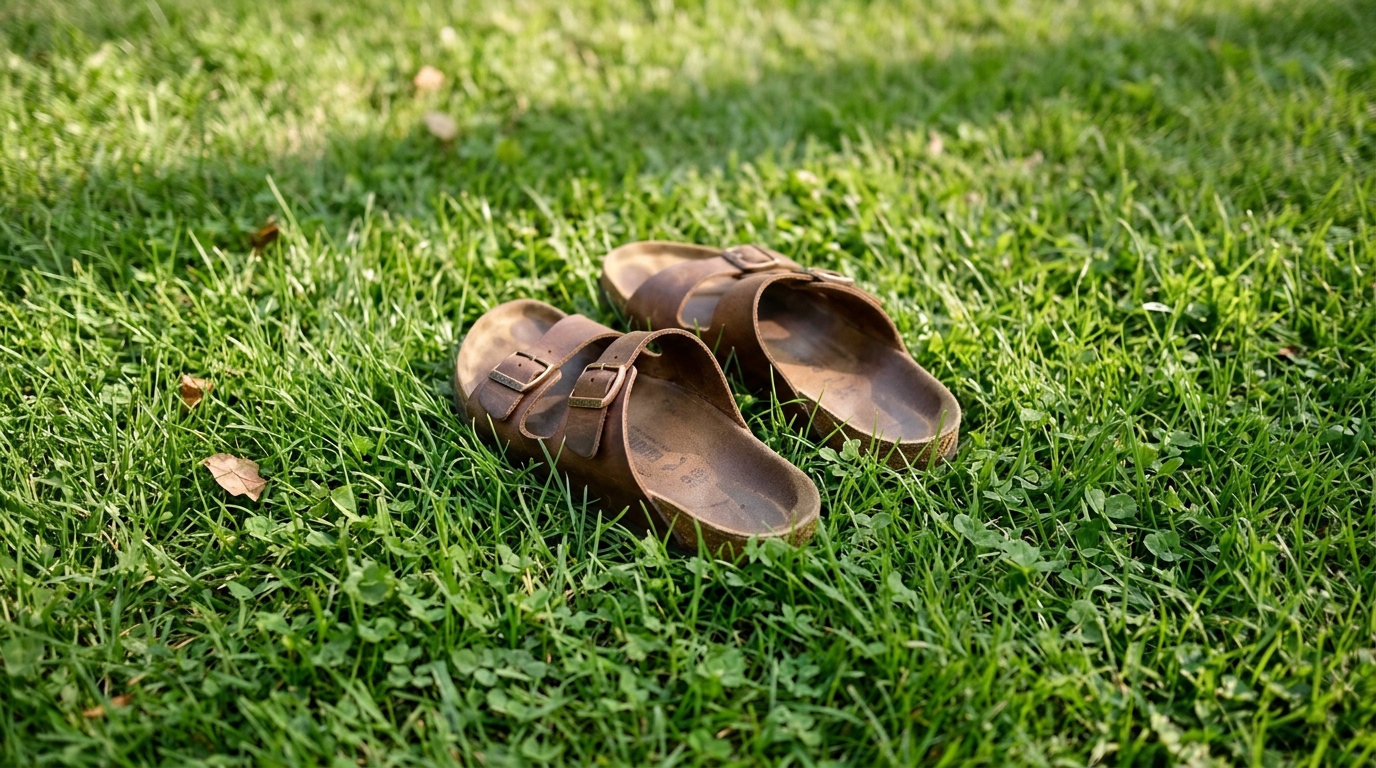
A daily routine for healthy barefoot walking
In the morning, do a few minutes of toe spreads and calf stretches to wake up the foot muscles before you go barefoot.
During your barefoot time, stick to grass or a soft surface, start short, and stop if your arches or heels start to ache.
Afterwards, check your soles for cuts or blisters, stretch your calves again, and put supportive shoes on for the rest of the day. If heel or arch pain appears, cut back and rest.
Frequently asked questions
Is barefoot walking good for your feet?
It can be, for healthy feet on safe surfaces: it strengthens foot muscles and improves balance. But it is not good for everyone, and sudden or excessive barefoot walking can cause pain and injury.
Can barefoot walking cause plantar fasciitis?
It can contribute to it, especially on hard surfaces or with a sudden switch from supportive shoes, because the plantar fascia takes more load without cushioning or arch support.
Should people with diabetes walk barefoot?
No. Diabetes-related nerve damage means injuries can go unnoticed and become serious wounds, so people with diabetes should always wear shoes, even indoors.
Is walking barefoot on sand good for you?
Sand is one of the better surfaces: it is soft, it lets the toes spread, and it works the foot muscles. But it can also strain the Achilles tendon, so start with short sessions.
How long should I walk barefoot as a beginner?
Start with ten to fifteen minutes on a soft surface, and build up gradually over weeks. Stop if your arches, heels, or calves ache.
Sources
- American Diabetes Association — Foot Care and Diabetes
- Mayo Clinic — Plantar Fasciitis: Symptoms and Causes
- Cleveland Clinic — Barefoot Walking: Benefits and Risks
This article is for information only and is not medical advice. If your foot pain is severe, sudden, or not improving, talk to a healthcare professional for a proper diagnosis.