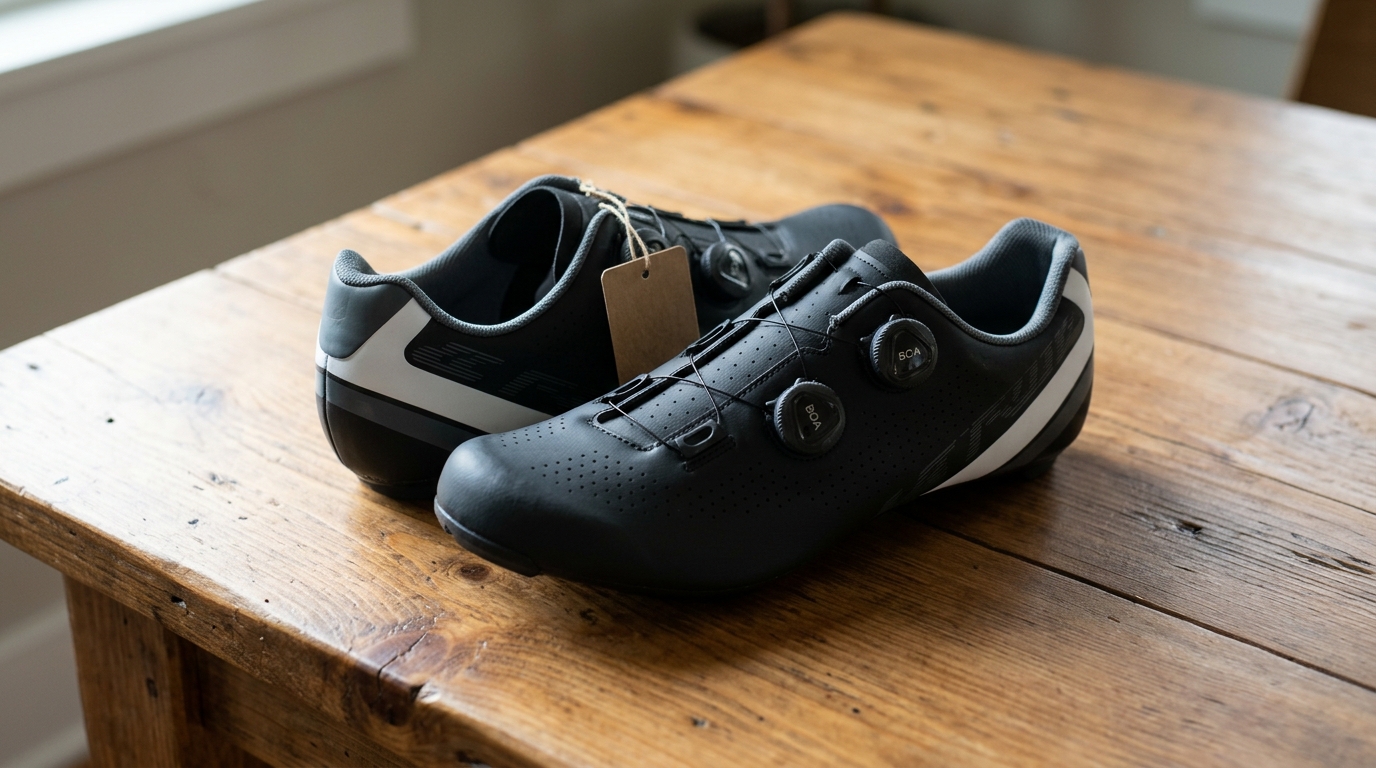
Foot pain from cycling usually comes down to a few fixable causes: cleats positioned too far forward, shoes that are too tight or too stiff, or the classic “hot foot” — a burning, tingling feeling under the ball of the foot on longer rides. Numb toes, aching arches, and pain on the outside of the foot are also common, and they tend to build gradually rather than striking suddenly. The good news is that most cycling foot pain is a fit problem, not a medical one: moving the cleat back a few millimetres, loosening the straps, choosing wider shoes, or adding insoles with proper arch support often solves it. Pain that is sharp, one-sided, or persists off the bike deserves a proper check, since it can point to a nerve or joint problem.
See a doctor or bike fitter promptly if you notice any of these:
- Sharp or sudden foot pain during or after a ride
- Numbness that does not fade within a day of riding
- A foot that looks swollen, red, or bruised after cycling
- Pain that persists when you walk, not just when you ride
- Weakness in the foot or ankle, or toes that drag
Why cycling hurts your feet
Cycling loads the foot in a very specific way. Unlike walking, where pressure moves from heel to toe, cycling concentrates force on the ball of the foot, right where the cleat attaches to the shoe. The foot is also locked in one position for the whole ride, so any small fit problem gets repeated thousands of times. That repetition is why a minor issue can become genuinely painful over a long ride.
Hot foot is the most common complaint. It feels like burning, tingling, or numbness under the ball of the foot, and it usually appears after an hour or more of riding. The cause is pressure on the nerves between the metatarsal bones, often because the cleat sits too far forward, the shoe is too narrow, or the straps are cinched too tight and the foot swells slightly as it warms up. Feet do swell during exercise, so shoes that feel perfect at the start of a ride can become too tight by the end.
Cleat position matters more than most riders realise. A cleat placed too far forward puts more pressure on the forefoot and can irritate the nerves and joints. A cleat angled wrong can twist the foot with every pedal stroke, loading the outside of the foot or the ankle. Saddle height plays a role too: a saddle set too high makes you reach for the pedals, increasing forefoot pressure, while one set too low overloads the knees and changes how the foot sits.
Arch pain and outside-foot pain have their own causes. Flat feet or high arches without proper support can ache under the sustained pressure of pedalling, and shoes with a stiff, narrow sole can squeeze the foot sideways. Some riders also develop pain from the shoe’s insole being too flat, or from wearing road shoes that are simply the wrong width.
What helps foot pain from cycling
Start with cleat position. Moving the cleat back a few millimetres toward the midfoot reduces forefoot pressure and is the single most effective fix for hot foot. Keep the cleat angle neutral so the foot points naturally, and make changes one at a time so you can tell what helped. A professional bike fit is worth it if you ride regularly: a fitter will set cleat position, saddle height, and shoe choice together, and the cost is small compared with months of painful rides. See the foot pain map to locate where your pain is.
Shoe fit is the next lever. Cycling shoes should be snug but not tight, with room for the toes to spread and for the foot to swell. Many brands offer wide versions, and they are worth trying if your feet feel squeezed. Loosen the straps or dials slightly once you are warmed up, and consider thinner socks on hot days. Insoles with proper arch support can transform comfort: stock insoles are often flat, while aftermarket cycling insoles support the arch and spread pressure across the foot.
On the bike, small habits help. Stand up on the pedals now and then on longer rides to relieve constant forefoot pressure, and unclip and shake out your feet during breaks. If numbness appears, stop and loosen your shoes rather than riding through it. Off the bike, stretching the calves and the plantar fascia, rolling the foot over a ball, and strengthening the small foot muscles all build resilience. For stretching guidance, see plantar fasciitis stretches.
If pain persists despite fit changes, or if it appears off the bike too, see a clinician. Morton’s neuroma, metatarsalgia, and stress fractures can all be aggravated by cycling and need proper diagnosis.
A daily routine for pain-free cycling feet
Before a ride, check that your cleats are tight and your shoes are snug but not pinching, and start with straps slightly looser than you think you need.
During the ride, stand on the pedals periodically, and if your feet start to burn or go numb, loosen the straps and shake them out rather than pushing on.
After the ride, stretch your calves and roll the soles of your feet over a ball, and note what hurt and when so you can adjust cleats or shoes before the next ride.
Frequently asked questions
What is hot foot in cycling?
Hot foot is a burning, tingling, or numb feeling under the ball of the foot, usually caused by pressure on the nerves between the metatarsal bones from cleat position, tight shoes, or foot swelling during a ride.
Should I move my cleats back to fix foot pain?
Often yes. Moving the cleat a few millimetres toward the midfoot reduces forefoot pressure and is the most common fix for hot foot and forefoot pain.
Do I need wide cycling shoes?
If your feet feel squeezed, numb, or pinched, wide shoes can help a lot. Feet swell during rides, so shoes that fit at the start may be too tight an hour later.
Can insoles help cycling foot pain?
Yes. Aftermarket insoles with arch support spread pressure across the foot and support the arch, which stock flat insoles do not do.
When should I see a doctor about cycling foot pain?
See a doctor if pain is sharp or sudden, if numbness lasts more than a day, if pain continues off the bike, or if fit changes do not help after a few weeks.
Sources
- BikeRadar — How to Fix Hot Foot When Cycling
- Cleveland Clinic — Metatarsalgia: Causes and Treatment
- Mayo Clinic — Morton’s Neuroma
This article is for information only and is not medical advice. If your foot pain is severe, sudden, or not improving, talk to a healthcare professional for a proper diagnosis.