Foot pain after long drive trips is usually caused by hours of sitting with your right foot held at one angle on the pedals, which stiffens the ankle, tires the calf, and slows circulation in the feet. Add unsupportive shoes, a poor seat position, and no stops, and you get aching arches, a sore heel, or a numb foot by the time you park. The fix is simple: take a break every two hours to walk and stretch, adjust your seat so your knee bends slightly, and wear supportive shoes. Most foot pain after long drive trips fades within a day or two, but pain that is sharp, one-sided, or keeps coming back deserves a medical check.
See a doctor promptly if you notice any of these:
- Sharp or sudden foot pain, or pain that does not ease after a day or two of rest
- Swelling in one leg or foot, especially with pain, warmth, or redness
- Numbness or tingling that does not go away, or weakness when you press the pedals
- Calf pain or swelling after a long drive, which can signal a circulation problem
- Foot pain that keeps returning after every drive, even short ones
Why hours behind the wheel hurt your feet
Driving looks restful, but your feet disagree. Your right foot spends hours hovering between the gas and brake pedals, held at a fixed angle with the ankle slightly extended, while your left foot sits idle on the dead pedal or flat on the floor. That still, cramped position stiffens the ankle joint, tires the calf muscles, and slows blood flow through the lower legs. After a couple of hours, the arches and heels start to ache.
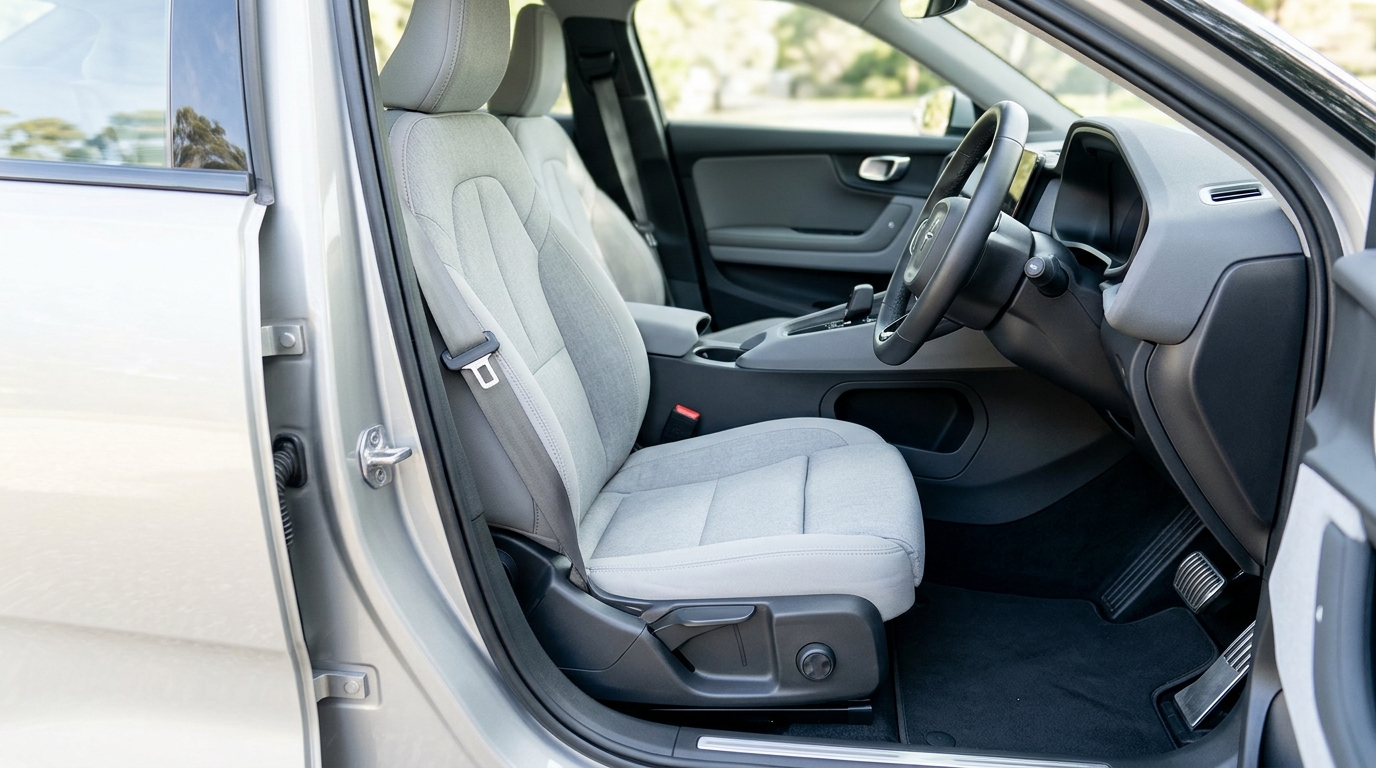
Seat position makes it worse. If your seat is too far back, you have to reach for the pedals, which forces your ankle into a sharper angle and loads the Achilles tendon. Too close, and your knee stays bent at a tight angle, which can compress blood vessels behind the knee and leave your feet heavy or tingly. A seat that is too low drops your knees below your hips, cutting circulation further. None of this hurts in the first twenty minutes — it builds slowly, which is why the pain often only shows up near the end of a long drive.
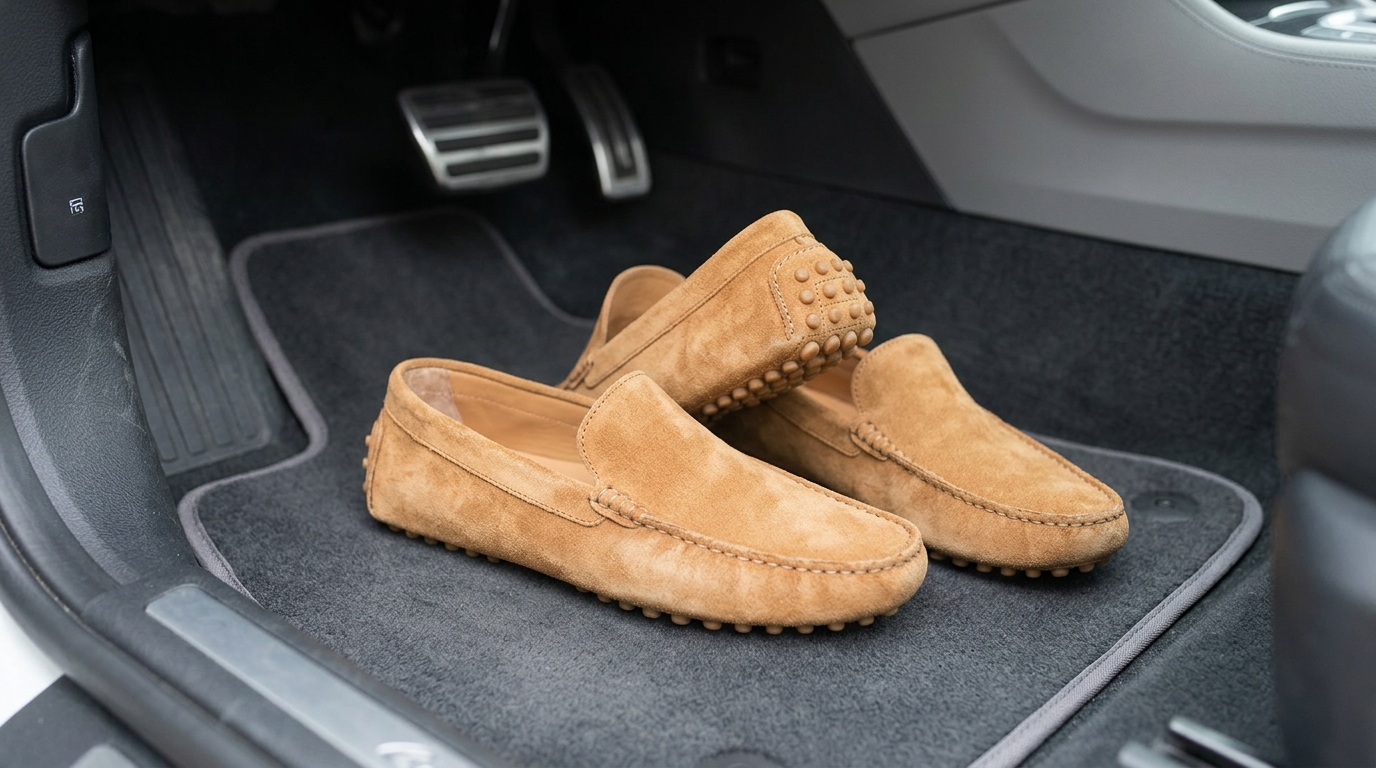
Your shoes play a role too. Thin, flat shoes with no arch support give your feet nothing to work with on the pedals, so the small muscles of the foot strain to hold position. Driving barefoot or in socks is worse: without a firm sole, your foot slides and grips, and you press the pedals harder. People with flat feet or high arches feel this most.
Relief that works on the road and after
Stop every two hours. This is the single most effective habit for drivers. Pull over, get out, and walk for five to ten minutes. Walking restarts the calf muscle pump that pushes blood back up your legs, and lets your ankle move through its full range again. Add a few calf stretches against the car and some ankle circles before you get back in. On long trips, plan these stops into the journey rather than treating them as delays.
Fix your seat position before you start. Sit close enough that your knee bends slightly when your foot rests on the brake, with your heel on the floor and your toes able to reach the pedals without stretching. Your hips should sit level with or slightly above your knees. If your car has lumbar support, use it — a supported lower back reduces the strain that travels down to your feet. Cruise control, where it is safe to use, lets your right foot rest flat on the floor instead of hovering over the gas.
Wear supportive shoes. Choose shoes with arch support, cushioning, and a firm sole that grips the pedals. If you love driving in sandals, keep a pair of supportive shoes in the car and change when you arrive. A cushioned insole can help too on long trips, where the same foot position repeats for hours.
Move your feet while you drive. At red lights or in slow traffic, flex and point your toes and roll your ankles in circles. These tiny movements keep blood flowing and stop the ankle from locking up. They are not a substitute for real breaks, but they make the time between stops much more comfortable.
After the drive, give your feet ten minutes. Walk around, stretch your calves against a wall, roll each foot over a tennis ball, and elevate your feet if they feel swollen. A warm soak can help tired feet, though skip it if you have diabetes or poor circulation.
When driving-related foot pain needs a check
Most foot pain after long drive trips is simple stiffness and fatigue, and it fades within a day or two of rest and movement. But get checked if the pain is sharp, one-sided, or does not improve after a couple of days. Swelling in one leg after a long drive can signal a deep vein thrombosis, a blood clot that needs urgent attention — especially with calf pain, warmth, or redness. Numbness that does not go away, weakness in the foot, or pain that returns after every drive may point to nerve compression or an underlying foot problem. A doctor or podiatrist can check your circulation and foot mechanics.
Long drives do not have to hurt. A good seat position, supportive shoes, a break every two hours, and a few minutes of movement turn a painful trip into a comfortable one.
Frequently asked questions
Why does my right foot hurt after driving?
Your right foot works the pedals for hours at a fixed angle, which stiffens the ankle, tires the calf, and slows circulation. A seat that is too far back or unsupportive shoes make it worse.
How often should I stop on a long drive?
Every two hours is a good rule. Get out, walk for five to ten minutes, stretch your calves, and roll your ankles.
What shoes are best for driving?
Supportive shoes with arch support, cushioning, and a firm sole. Avoid flip-flops, thin flats, and driving barefoot.
Can long drives cause blood clots in the legs?
Yes, sitting still for hours raises the risk of deep vein thrombosis, especially on very long trips. Regular breaks to walk, staying hydrated, and moving your feet reduce the risk.
Is it safe to use cruise control to rest my foot?
Yes, where it is safe — on open highways with light traffic. Cruise control lets your right foot rest flat on the floor, relieving the constant pedal angle.
Sources
- Mayo Clinic — Deep Vein Thrombosis: Risk Factors and Prevention
- Cleveland Clinic — Foot Pain: Causes and Treatment
- American Podiatric Medical Association — Driving and Foot Health
This article is for information only and is not medical advice. If your foot pain is severe, sudden, or not improving, talk to a healthcare professional for a proper diagnosis.